
TL;DR

Get home appliances delivered free with Prime
- Fast, free delivery on millions of items
- Prime Video, Amazon Music and more included
- Member-only deals all year
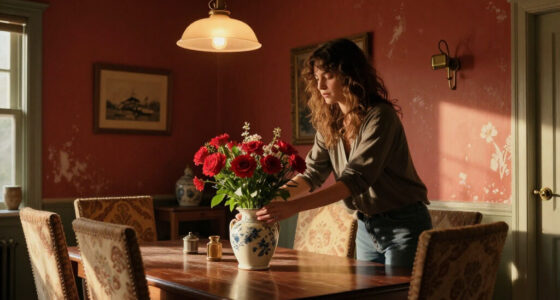
Interior designers Jo Lyle and Bethany Adams say clients are asking for snug rooms: compact, cocooning spaces for reading, listening to music, resting or spending time with a friend. Their advice is to use a small nook, built-ins, layered fabrics and intentional lighting; the report describes a design trend, not a measured industry-wide surge.
Interior designers Jo Lyle and Bethany Adams are seeing interest in snug rooms—small, enclosed retreats for reading, resting or listening to music—according to a report by Veranda. The designers’ advice focuses on adapting compact corners and architectural nooks, making the trend relevant to homeowners seeking a distinct use for overlooked space rather than a full room addition.
Lyle said a European getaway inspired her clients to request a cozy room just off their primary bedroom. They wanted a space for reading and listening to their record collection, and Lyle incorporated a bookshelf that also houses a record player. The project illustrates how a snug can be designed around a household’s routines, rather than treated as a standard room with a fixed purpose.
Adams recommends looking for attic alcoves, spaces beneath eaves, underused closets or other small, irregular areas. She cautions against trying to reproduce the effect in an expansive room: in her view, the compact scale and sense of enclosure are central to a snug. Built-in seats, shelves and storage can make tight floor plans more usable, while curtains or cabinetry can create a more sheltered feeling.
The designers also emphasize layered textures and controlled lighting. Lyle suggests combining window coverings, such as Roman shades and full-length curtains, and starting with only as much light as the room needs. A lampshade can spread a soft glow, while a directional sconce can focus light on a reading spot. Wallpaper with a small-scale print or a textured wallcovering can add visual warmth. These are designers’ recommendations, not findings from a formal survey of homeowners.
A Small Room With Many Uses
The appeal of a snug is its adaptability: it can become a quiet reading corner, a place for a short nap, a children’s playroom or an intimate spot to share a drink. For households with an awkward alcove or spare closet, the idea offers a way to give existing square footage a clear purpose. Built-in seating and storage may also help a small space serve more than one function.
The design choices described by Lyle and Adams are practical as well as aesthetic. Curtains, shelves and furniture can make a nook feel enclosed, while appropriate task lighting supports reading or other activities. The report does not establish how widespread the trend is, but it documents how two designers are responding to client requests and translating the snug concept into residential projects.
As an affiliate, we earn on qualifying purchases.
From Pub Nooks to Home Retreats
Veranda’s report traces the snug to small, private rooms in 19th-century Irish pubs. Adams also connects the idea to historic homes, where small enclosed spaces helped conserve warmth. She recalled noticing such spaces during a visit to Colonial Williamsburg when she was 12, and described the concept as part of American historical design as well.
The contemporary version need not follow one historical style or color scheme. Adams describes both dark, moody retreats and brighter children’s spaces, while Lyle’s projects use built-ins and textiles to shape the room around its intended use. The common element in the designers’ descriptions is not a particular palette but a small scale and enclosed feeling.
“The goal is to feel totally cocooned in a mood.”
— Jo Lyle, interior designer
How Broad Is the Snug Trend?
The report includes examples and observations from two designers, but it provides no survey data, sales figures or other measure of how many designers or homeowners are adopting the idea. The headline’s description of designers as “obsessed” is not quantified by the material provided. It is also unclear whether interest is rising over time or whether the projects reflect individual client preferences.
The source does not give the report’s publication date, so the precise timing of the trend claims cannot be established from the supplied material. The designers’ suggestions are guidance rather than building standards; the report does not address project costs, accessibility or whether a particular nook would need changes to meet local requirements.
How Homeowners May Adapt Nooks
The next step for anyone considering a snug is to identify an existing small space and decide what it needs to support, such as reading, music, rest or play. The designers’ examples point toward planning the furniture, storage, window coverings and lighting around that use. A built-in seat, shelves or layered curtains can be tailored to a nook, but the report sets out no single required design or timetable for the trend.
Whether snug rooms become more common remains unconfirmed. Further reporting, such as broader designer surveys or housing and renovation data, would be needed to show whether the interest described by Lyle and Adams reflects a wider market shift.
Key Questions
What is a snug room?
A snug is a small, enclosed room or nook intended to feel comfortable and sheltered. Designers describe using one for reading, resting, listening to music or spending time with a friend.
Where can a snug be created?
Adams suggests considering spaces beneath eaves, attic alcoves, underused closets and other compact, irregular areas. A snug can also be formed around existing features such as a bay window or window seat.
What design features help create a snug?
The designers recommend built-in furniture, layered fabrics and deliberate lighting. Shelves, curtains and compact seating can help a nook feel enclosed, while task lighting can support reading or other activities.
Is the snug trend proven to be growing?
The report describes client interest observed by two designers, but gives no survey or market data showing how widespread the trend is or whether it is increasing over time.
Source: rss
Cold & flu season Picks
humidifiers
As an affiliate, we earn on qualifying purchases.