Your building envelope does more than just control temperature. It blocks dust, pollen, and pollutants from entering, helping improve indoor air quality. It also reduces drafts that stir allergens and irritants. Plus, a well-designed envelope dampens outside noise, creating a quieter indoor environment. By choosing the right materials and design, you can enhance air purity, noise reduction, and overall comfort. If you want to see how these features work together, keep exploring this topic further.
Key Takeaways
- Building envelopes prevent dust, pollen, and pollutants from entering indoor spaces, improving air quality.
- They minimize drafts and air exchange, maintaining a consistent indoor environment and reducing energy consumption.
- Materials and design choices enhance soundproofing, reducing external noise infiltration for better comfort.
- Advanced insulation and barrier features improve noise reduction and protect against environmental contaminants.
- Properly designed envelopes contribute to overall building resilience, energy efficiency, and indoor environmental health.
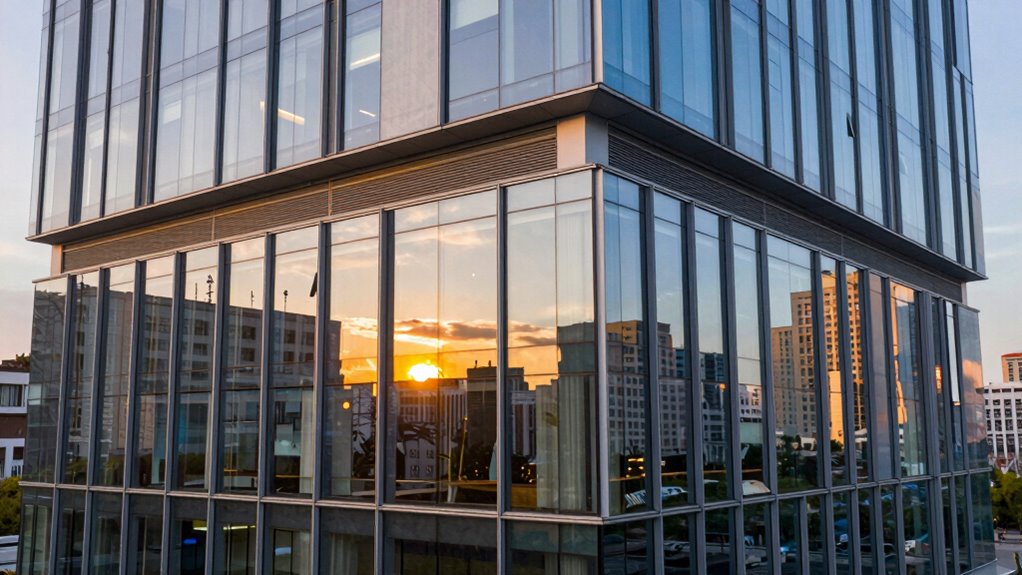
While building envelopes are traditionally designed to regulate temperature, their role extends far beyond that. They act as the first line of defense, controlling what enters and exits your space. But beyond keeping your interior comfortable, they substantially influence air quality and acoustic performance. When you think about air quality, it’s easy to focus on ventilation systems or air purifiers. Yet, the building envelope itself plays a key part. A well-designed envelope prevents the infiltration of dust, pollen, and pollutants from outside, ensuring cleaner air inside. It also minimizes drafts that can stir up allergens and irritants, helping to maintain a healthier environment overall. Proper sealing and insulation reduce unwanted air exchange, which means fewer contaminants get inside and your HVAC system doesn’t have to work as hard to maintain air quality. This not only leads to better indoor air but also enhances energy efficiency. Additionally, the building envelope’s materials and design significantly impact both air filtration and soundproofing capabilities. For example, incorporating advanced insulation materials can further improve both noise reduction and barrier performance. Using specialized materials can improve the envelope’s ability to block noise and contaminants simultaneously. An understanding of air infiltration helps in selecting materials that optimize both air quality and energy efficiency. Furthermore, advancements in building envelope technology continue to improve these protective functions, making modern designs more effective at safeguarding indoor environments. Acoustic performance is another essential aspect that building envelopes influence. Think about how sound travels through walls, windows, and other exterior elements. A high-quality envelope dampens outside noise, giving you a quieter, more peaceful space. Whether it’s traffic, construction, or loud neighbors, a well-constructed building envelope acts as a barrier that absorbs and deflects sound waves. This is particularly important in urban environments or noisy neighborhoods. The materials used and the design of the envelope determine how much sound gets through. By incorporating soundproofing features—like specialized insulation or additional layers—you can drastically reduce noise infiltration. This not only improves comfort but also enhances privacy and concentration, especially if you work or relax at home. Understanding how these soundproofing techniques work helps in selecting the right solutions for different environments. Your building envelope’s influence on air quality and acoustic performance shows just how multifaceted its role is. It’s not simply about temperature regulation; it’s about creating a healthier, more comfortable environment. When you pay attention to these elements during design or renovation, you’re investing in a space that offers better air purity and reduced noise pollution. The right choices can make your environment more livable, energy-efficient, and resilient against external disturbances. Ultimately, understanding and optimizing the building envelope means you’re building a space that works for you on multiple levels—not just in terms of temperature, but in air quality, sound, and overall comfort.
As an affiliate, we earn on qualifying purchases.
Frequently Asked Questions
How Do Building Envelopes Influence Indoor Air Quality?
Your building envelope influences indoor air quality by acting as a barrier that controls air filtration and prevents mold growth. A well-designed envelope reduces outdoor pollutants from entering and minimizes moisture buildup, which can cause mold. You can improve air quality by ensuring proper sealing and ventilation, allowing fresh air to circulate while blocking harmful particles. This proactive approach helps create a healthier indoor environment for everyone inside.
Can Building Envelopes Improve Acoustic Performance?
Yes, building envelopes can improve acoustic performance through soundproofing enhancements and acoustic insulation techniques. You can incorporate materials like specialized insulation, resilient channels, and sealed joints to reduce noise transmission. By designing envelopes with these soundproofing features, you create a quieter indoor environment, minimizing external noise and improving overall comfort. Properly implemented, building envelopes become an effective barrier against unwanted sound, enhancing acoustic quality inside your space.
What Role Do Building Envelopes Play in Energy Efficiency?
Building envelopes act like a shield, keeping energy where it belongs. They play an essential role in energy efficiency by using thermal insulation and smart material selection to minimize heat transfer. When you choose the right materials, you reduce heating and cooling loads, saving energy and lowering costs. Your building becomes a well-oiled machine, efficiently managing interior climates and reducing environmental impact.
How Do Building Envelopes Impact Building Durability?
Building envelopes directly impact your building’s durability by protecting it from environmental elements like wind, rain, and temperature fluctuations. You’ll want to choose materials with high durability to guarantee long-lasting performance and maintain structural integrity over time. A well-designed envelope acts as a shield, preventing damage, reducing wear, and extending the lifespan of your building. Properly maintained, it ensures your structure remains resilient and safe for years to come.
Are Building Envelopes Effective Against Natural Disasters?
Building envelopes can be effective against natural disasters if designed properly. They provide seismic resistance by absorbing and distributing seismic energy, reducing structural damage during earthquakes. For flood mitigation, they act as barriers to prevent water intrusion, protecting interior spaces from flooding. You should prioritize durable, flexible materials and strategic design features to enhance resilience against both seismic activity and flooding, ensuring your building remains protected during extreme events.
Conclusion
Your building envelope isn’t just a barrier against the cold or heat; it’s the silent guardian of your space’s soul. Like a sturdy shield, it molds the atmosphere inside, safeguarding your comfort and energy. When you see it as more than walls and windows, you realize it’s the heart that nurtures harmony between inside and out. Embrace this perspective, and you’ll build spaces that breathe, adapt, and endure beyond mere temperature control.