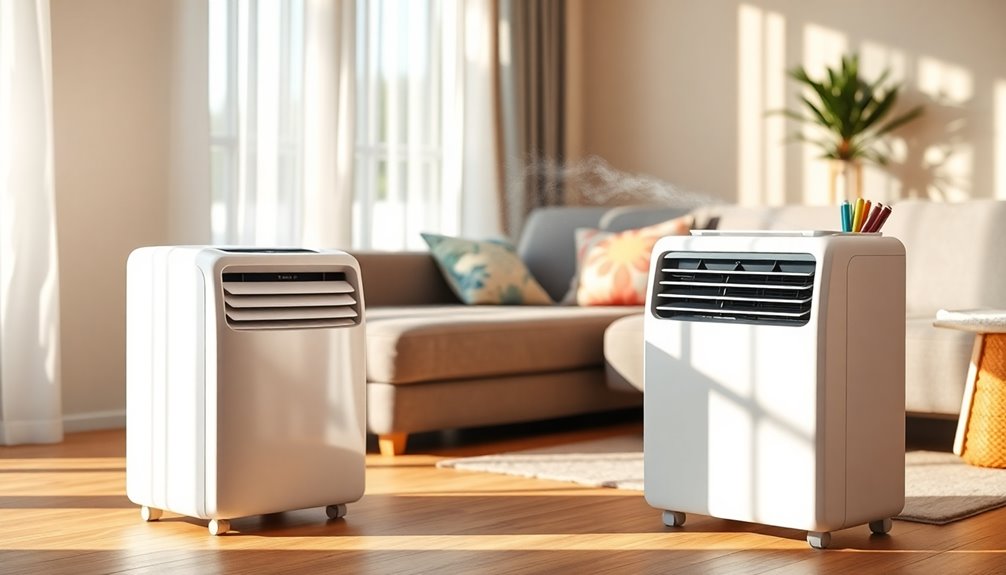
After sealing your home, your ventilation needs to adapt to maintain good air quality. Tightening the structure reduces natural airflow, so you may notice stuffier air or lingering odors. To prevent this, you’ll want to install or upgrade mechanical ventilation systems like HRVs or ERVs, which control airflow efficiently. Monitoring indoor air quality and pressure helps make sure your home stays healthy and comfortable. Stay with us to explore how you can optimize your ventilation after sealing.

Get home appliances delivered free with Prime
- Fast, free delivery on millions of items
- Prime Video, Amazon Music and more included
- Member-only deals all year
Key Takeaways
- Air sealing reduces natural air leaks, potentially decreasing passive ventilation and indoor air exchange.
- Mechanical ventilation systems become essential to maintain proper airflow and indoor air quality.
- Without adequate ventilation, indoor pollutants and humidity levels may increase.
- Properly balanced ventilation prevents negative pressure that could draw in outdoor contaminants.
- Regular maintenance of mechanical systems ensures sustained indoor air quality and energy efficiency.
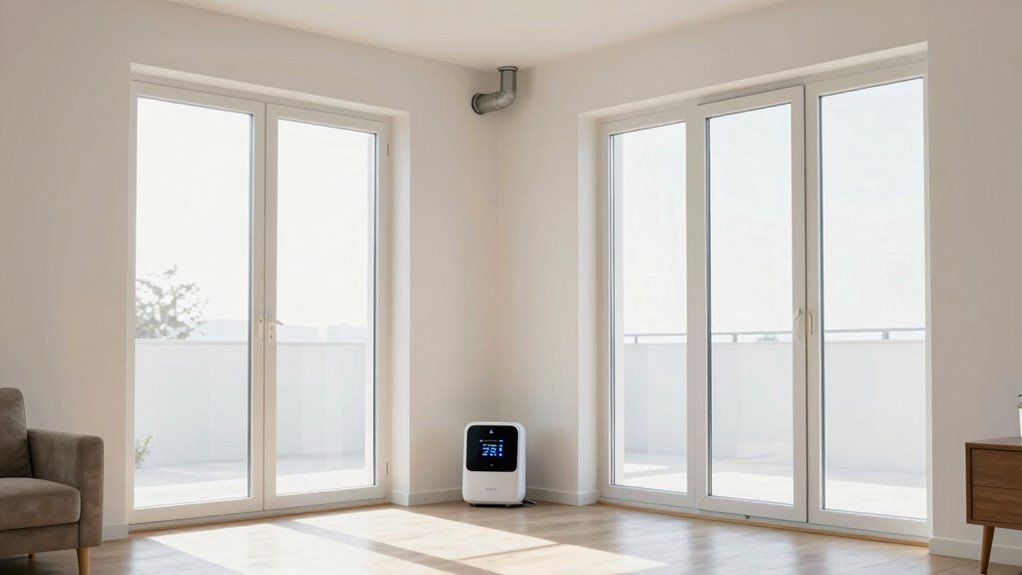
After completing an air sealing project, proper home ventilation becomes essential to maintain indoor air quality and guarantee energy efficiency. When you seal cracks and gaps in your home’s building envelope, you significantly reduce unwanted air leaks, which helps keep your heating and cooling costs down. However, this tighter seal can also limit natural air exchange, making it crucial for you to pay attention to your ventilation strategy. Without adequate airflow, indoor air quality can decline as pollutants, allergens, and humidity become trapped inside. Ensuring proper ventilation after air sealing helps remove these contaminants, keeping your living environment healthier and more comfortable.
Your HVAC system efficiency is directly impacted by the changes in ventilation. When air leaks are minimized, your HVAC doesn’t have to work as hard to maintain a consistent temperature. But, if ventilation isn’t managed properly, the reduced air exchange can lead to stale air and increased indoor pollutant levels. You might find that indoor odors linger longer, or that you notice more dust, mold, or humidity issues. To address this, you may need to upgrade or modify your ventilation system—such as installing mechanical ventilation with heat recovery (HRV) or energy recovery (ERV)—to ensure a steady supply of fresh air without sacrificing energy savings. Mechanical ventilation systems are designed to provide controlled airflow, which is especially important in airtight homes. Additionally, understanding air exchange rates can help you assess whether your current ventilation setup is sufficient for your home’s needs. Properly assessing and adjusting ventilation strategies can help prevent issues like negative pressure or indoor humidity buildup. Regularly monitoring indoor air quality can also help you identify if your ventilation system is performing effectively.
Proper ventilation after air sealing isn’t just about adding more airflow; it’s about doing it intelligently. You want to balance fresh air intake with exhaust to prevent creating negative pressure inside your home, which can pull in outdoor pollutants or moisture through unintended pathways. When your home is airtight, you rely more on mechanical systems to control the quality and quantity of air entering and leaving. You might also notice that your existing HVAC system needs adjustments—like increased filtration or changes in airflow settings—to optimize indoor air quality and system efficiency. Regular maintenance, such as filter changes and system inspections, becomes even more important to keep these systems functioning properly. Proper ventilation is a key component in maintaining a healthy indoor environment, especially when your home’s envelope is tightly sealed.
In essence, after sealing your home, you become more dependent on a well-designed ventilation strategy to keep indoor air safe and your HVAC system functioning optimally. Investing in proper ventilation solutions ensures that your home remains comfortable, energy-efficient, and healthy, despite the tighter envelope. It’s a balancing act—sealing for energy savings while providing enough fresh air to sustain good indoor air quality. When you approach it thoughtfully, you’ll enjoy a more efficient, healthier living space that benefits both your wallet and your well-being.
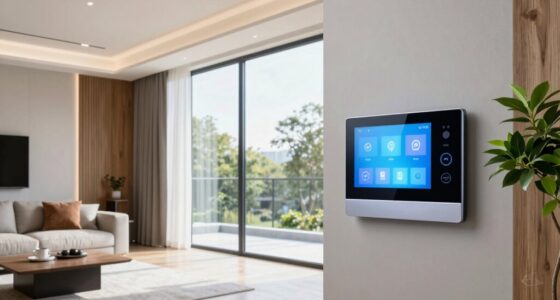
mechanical ventilation system for airtight homes
As an affiliate, we earn on qualifying purchases.
As an affiliate, we earn on qualifying purchases.
Frequently Asked Questions
How Long Does It Take for Ventilation to Stabilize After Sealing?
It typically takes a few days to a week for your home’s ventilation to stabilize after sealing. During this period, air exchange rates adjust as your home’s airflow balances out, and moisture control improves. You might notice changes in indoor air quality and humidity levels. To guarantee proper ventilation, keep an eye on these factors and consider using exhaust fans or air purifiers if needed, until everything stabilizes.
Will Air Sealing Reduce Indoor Humidity Levels?
Think of air sealing as tightening a lid on a pot; it can reduce indoor humidity by limiting moisture entry and escape. This helps prevent indoor mold growth, which thrives in damp environments. However, it also slows air exchange, potentially trapping humidity inside. To keep your home healthy, consider adding controlled ventilation or dehumidifiers, ensuring moisture levels stay balanced and indoor air remains fresh and safe.
Are There Specific Ventilation Systems Recommended Post-Sealing?
After sealing, you should consider installing a mechanical ventilation system, like an HRV or ERV, to guarantee proper airflow without losing energy efficiency. These systems help maintain fresh air and control humidity, compensating for reduced natural airflow caused by sealing. Relying solely on natural airflow might not be sufficient post-sealing, so a mechanical system keeps your indoor air quality healthy and balanced.
Can Sealing Improve Overall Indoor Air Quality?
Sealing your home is like tightening a lid on a jar—it can improve indoor air quality by reducing drafts and limiting pollutants. You’ll notice less dust and allergens circulating, and air stays fresher longer. Proper sealing enhances sealant durability, ensuring your efforts last. While sealing helps, it’s important to use good ventilation systems to maintain ideal indoor air quality and prevent moisture buildup.
How Often Should Ventilation Systems Be Maintained After Sealing?
You should maintain your ventilation systems at least once a year after sealing to guarantee ideal indoor air exchange and ventilation efficiency. Regular checks help identify clogged filters or duct issues that can reduce airflow. If you notice musty odors, uneven temperatures, or increased indoor pollutants, consider more frequent maintenance. Proper upkeep keeps your home well-ventilated, healthy, and energy-efficient, especially after air sealing projects that can impact airflow and air quality.
Conclusion
After sealing your home’s leaks, you’ll notice the air feels cleaner, the comfort more consistent, and the energy bills lower. You’ll breathe easier, sleep better, and enjoy a more efficient home. You’ll see fewer drafts, hear less noise, and save more money. Embrace the changes, enjoy the benefits, and take pride in creating a healthier, more comfortable living space. With each improvement, you get closer to a home that’s sealed, safe, and simply better.
Halloween Picks
halloween
As an affiliate, we earn on qualifying purchases.