Weatherization often beats equipment upgrades initially because it tackles the root causes of energy loss, like leaks and poor insulation, providing quick and cost-effective savings. It’s easier and faster to seal your home, improve comfort, and boost indoor air quality without major disruptions. Plus, it helps your existing systems work more efficiently and last longer. If you want to understand how this simple step can make a big difference, keep exploring the benefits.
Key Takeaways
- Weatherization offers immediate energy savings by sealing leaks and insulating, unlike the longer timeline for equipment upgrades.
- It is less costly initially and provides quick comfort improvements without extensive installation.
- Enhancing building envelope efficiency boosts the effectiveness of future equipment upgrades.
- Weatherization improves indoor air quality and comfort right away, unlike equipment upgrades that may take time to show benefits.
- It lays a sustainable foundation, maximizing long-term savings and equipment performance.
When it comes to improving your home’s energy efficiency, you often have two main options: weatherization or equipment upgrades. While upgrading appliances like HVAC systems or windows might seem like the quickest way to cut energy costs, weatherization often provides more immediate and lasting benefits, especially when considering indoor air quality and energy savings.
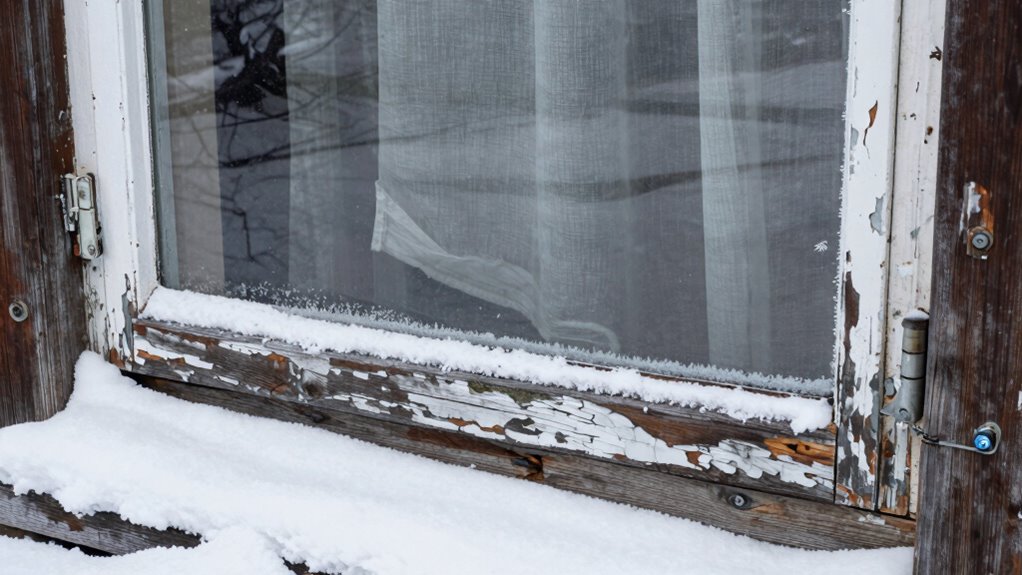
Weatherization targets the root of many energy loss issues by sealing leaks, insulating walls, attics, and floors, and making your home more airtight. These improvements reduce drafts and prevent conditioned air from escaping, which means your heating and cooling systems don’t have to work as hard to maintain a comfortable indoor air temperature. As a result, you’ll notice energy savings right away, and your energy bills will likely decrease even before you consider replacing equipment. Plus, sealing leaks and adding insulation not only saves money but also improves indoor air quality by reducing the infiltration of dust, pollen, and outdoor pollutants. When your home is better sealed, you control the indoor air environment more effectively, creating a healthier living space. Additionally, air infiltration can significantly impact the overall efficiency of your heating and cooling systems. Proper home sealing techniques can further enhance these benefits by minimizing unintentional air exchange. Improving your home’s envelope is a crucial step in maximizing energy performance and indoor comfort, especially since building envelope improvements are foundational for sustainable energy use. Incorporating energy-efficient building practices can further optimize these improvements and help achieve long-term sustainability goals.
Equipment upgrades, such as installing a new furnace or air conditioner, are often more expensive initially and take time to show their full benefits. While modern, energy-efficient equipment can drastically reduce energy consumption, the savings depend heavily on the condition of your home’s envelope. If your house leaks air or lacks insulation, a new unit won’t operate at peak efficiency. In contrast, weatherization enhances the effectiveness of any new equipment you might install later on. It’s like fixing the foundation before upgrading the roof—it ensures that subsequent improvements deliver the maximum return on investment.
Another reason weatherization can beat equipment upgrades at first is that it’s usually more straightforward and less disruptive. Sealing leaks, adding insulation, and weatherstripping don’t require major renovations or equipment downtime. You can often complete these tasks quickly and see immediate improvements in indoor air comfort and energy savings. Over time, these measures also reduce strain on your existing systems, extending their lifespan and delaying the need for costly replacements.
In essence, weatherization offers a cost-effective, comprehensive approach that improves indoor air quality, reduces energy consumption, and enhances comfort from the start. It sets a solid foundation for future equipment upgrades, ensuring that every dollar you spend on new appliances delivers the maximum benefits. So, if you’re looking for a smart first step to boost your home’s energy efficiency, weatherization is the way to go.
As an affiliate, we earn on qualifying purchases.
Frequently Asked Questions
How Long Does Weatherization Typically Take to Show Results?
Weatherization typically takes a few weeks to show noticeable results. As you implement energy-saving measures like sealing leaks, upgrading insulation, and improving ventilation, you’ll start to notice increased home comfort and lower utility bills. These improvements work quickly to reduce energy waste, making your home more efficient. In most cases, you’ll see significant energy savings within a month, with ongoing benefits as you continue to optimize your home’s weatherization.
Are Weatherization Improvements Permanent or Do They Require Ongoing Maintenance?
Weatherization improvements are generally designed to be long-lasting, offering good cost longevity. However, they do require some ongoing maintenance to keep them effective. You’ll need to check and reseal insulation or weatherstripping periodically, depending on climate and wear. The maintenance frequency varies, but staying proactive helps guarantee your investment continues to deliver energy savings and comfort over time, making weatherization a smart, enduring choice.
Can Weatherization Be Combined With Equipment Upgrades Effectively?
You can seamlessly blend weatherization with equipment upgrades, creating a harmonious boost in energy efficiency and cost savings. Think of weatherization as the sturdy foundation that enhances the performance of new equipment, ensuring your investments work smarter. By combining both strategies, you maximize savings, reduce energy waste, and enjoy long-term comfort, all while making the most of your budget. This effective approach keeps your home efficient and your costs down.
What Are the Initial Costs Associated With Weatherization Projects?
The initial costs of weatherization projects generally include insulation, sealing leaks, and upgrading windows or doors. A thorough cost analysis helps you identify expenses and potential savings. Funding options like grants, rebates, and low-interest loans can considerably offset these costs. You should explore available programs in your area, making weatherization affordable while improving energy efficiency and comfort. Proper planning ensures your project stays within budget and maximizes benefits.
How Does Weatherization Impact Indoor Air Quality?
Imagine turning a dusty attic into a fresh breeze—weatherization improves indoor air quality by reducing indoor pollutants and enhancing ventilation. You’ll notice fewer allergens, dust, and odors, creating a healthier space. Ventilation improvements allow stale air to escape and fresh air to enter, preventing indoor air from becoming stagnant. By sealing leaks and upgrading insulation, you control air flow, making your home safer and more comfortable for everyone inside.
Conclusion
So, next time you’re tempted to splurge on shiny new equipment, consider weatherization first. After all, why bother with costly upgrades when a quick, inexpensive tweak to your insulation or seals can deliver surprisingly big savings? It’s almost as if Mother Nature herself prefers you to spend less on gadgets and more on cozy, airtight comfort. Who knew that simply weathering the storm could be smarter than chasing the latest tech?