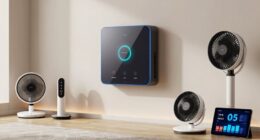

Occupancy sensors offer a smart, effortless way to save fan power by automatically turning off fans when rooms are unoccupied. They detect movement or presence and respond instantly, reducing energy waste without you lifting a finger. These devices are easy to install and work seamlessly with existing systems, making your space more energy-efficient. Keep exploring to discover how these simple sensors can transform your energy use and help you save money effortlessly.
Key Takeaways
- Occupancy sensors automatically detect room presence, turning fans off when unoccupied to save energy.
- They operate silently, providing seamless, hands-free control over fan power without manual intervention.
- Installing occupancy sensors in areas like restrooms or hallways prevents unnecessary fan operation.
- Integrating sensors with smart systems enhances energy efficiency and reduces utility costs.
- Using occupancy sensors promotes sustainable practices by minimizing unnecessary fan energy consumption.
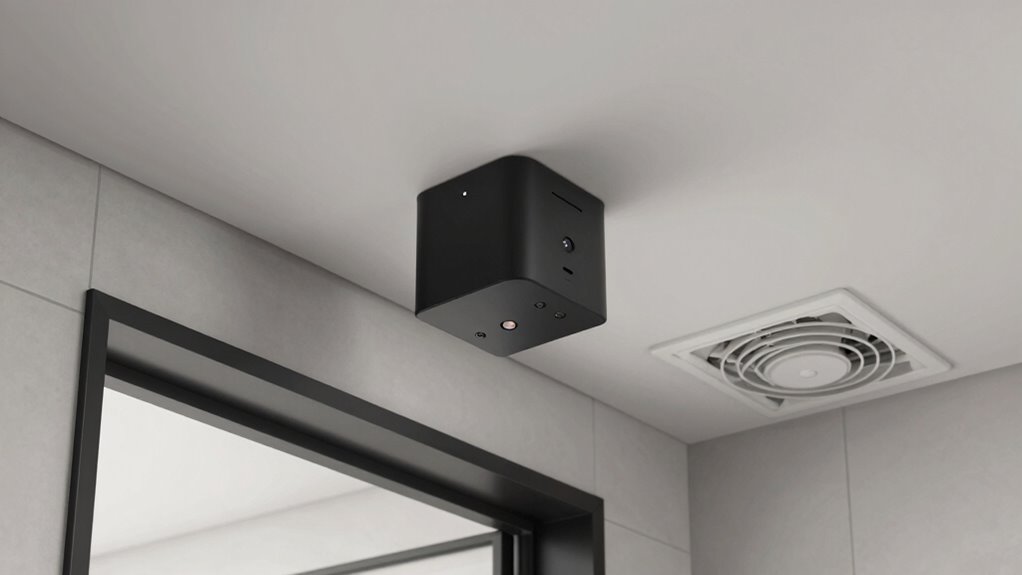
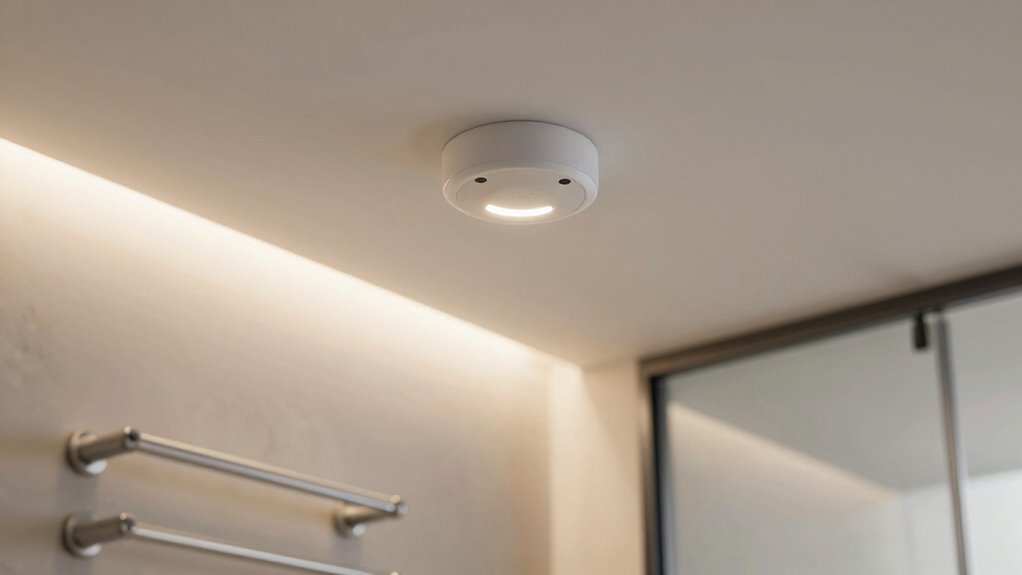
Have you ever wondered how buildings automatically turn lights on and off without you pressing a switch? The secret lies in smart technology like occupancy sensors, which detect when a room is occupied and adjust lighting accordingly. These devices are transforming how we manage energy consumption, making it easier to save power without sacrificing convenience. When you walk into a room, the sensor picks up your presence instantly, turning on the lights, and when you leave, it detects your absence and switches them off. This seamless automation keeps energy wastage to a minimum, ensuring you’re only using power when needed.
Occupancy sensors are especially effective in areas like hallways, restrooms, and conference rooms—places where lights might otherwise stay on for hours after they’re no longer necessary. By integrating these sensors, buildings become more responsive to real-time activity, reducing unnecessary energy use and lowering utility bills. The beauty of smart technology like occupancy sensors is that they operate quietly in the background, requiring no manual intervention. You don’t have to remember to switch off the lights; the sensors do it for you, making your environment more efficient and eco-friendly.
Occupancy sensors make spaces more efficient by automatically controlling lighting based on real-time activity.
With energy savings as a primary benefit, occupancy sensors help cut down on electricity costs considerably. For commercial buildings, this can translate into substantial financial savings over time. For homeowners, it means less worry about leaving lights on by mistake. Plus, because these sensors are easy to install and integrate with existing lighting systems, upgrading your space to be more energy-efficient is straightforward. Many models are compatible with other smart home devices, allowing you to control everything from a single app or automate entire lighting schedules based on occupancy patterns. Additionally, some sensors incorporate advanced navigation and mapping features to optimize their coverage and responsiveness.
Furthermore, occupancy sensors contribute to sustainability efforts by reducing overall energy consumption. They are an excellent example of how innovative technology can promote greener living without compromising comfort. As buildings become smarter, these sensors are helping shift energy use toward more responsible practices, conserving resources for the future. The shift to smart technology like occupancy sensors isn’t just about convenience; it’s about making smarter choices that benefit the environment and your wallet alike.
In short, occupancy sensors are the lazy but clever solution to avoiding wasted fan power and unnecessary lighting. They seamlessly blend convenience with efficiency, harnessing smart technology to optimize energy savings effortlessly. As more buildings adopt this technology, you’ll notice how simple, effective, and eco-friendly modern energy management can be.

Leviton Decora in-Wall Combination Occupancy Sensor with Fan Switch, Auto-On or Manual-On, 1/4 HP, Residential Grade, Single Pole, White, DOD05-1LW
CONVENIENT – automatically turns Light on and off
As an affiliate, we earn on qualifying purchases.
As an affiliate, we earn on qualifying purchases.
Frequently Asked Questions
Do Occupancy Sensors Work in Outdoor Environments?
Yes, occupancy sensors can work outdoors if you select ones designed for outdoor use. They rely on motion detection and require proper sensor placement to function effectively. Make certain the sensor is protected from direct weather exposure, and position it where outdoor movement is likely. When correctly installed and weatherproofed, these sensors can efficiently turn outdoor fans or lighting on and off, saving energy without sacrificing convenience.
Can Occupancy Sensors Be Integrated With Smart Home Systems?
You’ll love how occupancy sensors can seamlessly blend into your smart home setup. They easily integrate with smart home systems, enhancing automation compatibility and making your life more convenient. With a quick setup, these sensors communicate effortlessly with your devices, allowing you to automate lighting, fans, or security features. This smart integration helps you save energy while keeping your home comfortable and efficient, turning everyday routines into effortless automation.
What Is the Typical Lifespan of an Occupancy Sensor?
You can expect an occupancy sensor to last about 8 to 10 years with proper sensor calibration and adherence to installation guidelines. Regularly check for dust or debris that might affect performance, and replace batteries if applicable. Proper calibration guarantees accuracy, extending lifespan. Following installation guidelines during setup helps prevent early failures, so take care during installation and periodically review sensor function to maximize its longevity and reliability.
Are Occupancy Sensors Energy-Efficient in Large Commercial Spaces?
Ever wondered if occupancy sensors really save energy in large spaces? They definitely do, providing significant energy savings by turning off fans when areas are unoccupied. Plus, their sensor reliability guarantees consistent performance, so you don’t have to worry about manual adjustments. In big commercial spaces, these sensors optimize energy use effortlessly, making your building smarter and more efficient. Why waste energy when simple sensors can do the work for you?
How Do Occupancy Sensors Differ From Vacancy Sensors?
You’ll find that occupancy sensors automatically turn lights or fans on when motion detection senses activity, while vacancy sensors require you to manually turn them on and only turn off when no motion is detected. Both sensor types use motion detection technology, but occupancy sensors are more passive, saving energy by managing power based on presence. Your choice depends on whether you prefer automatic or manual control for energy efficiency.

Lutron Maestro Motion Sensor Light Switch Indoor for Bathroom, Garage, Laundry Room, Any Bulbs, Occupancy Vacancy Sensor, Single-Pole, MS-OPS2-WH, White
AUTOMATIC SWITCH: Motion sensor light switch automatically turns the lights on when you enter the room and off…
As an affiliate, we earn on qualifying purchases.
As an affiliate, we earn on qualifying purchases.
Conclusion
Now that you know how occupancy sensors can save energy effortlessly, imagine what you could access by using them more effectively. Are you truly tapping into their full potential? Every moment you delay, you’re leaving power on—wasting resources and missing out on smarter convenience. The choice is yours: continue to overlook this simple solution or embrace it and see what’s possible when you let technology work for you. The power to change is in your hands—will you take it?
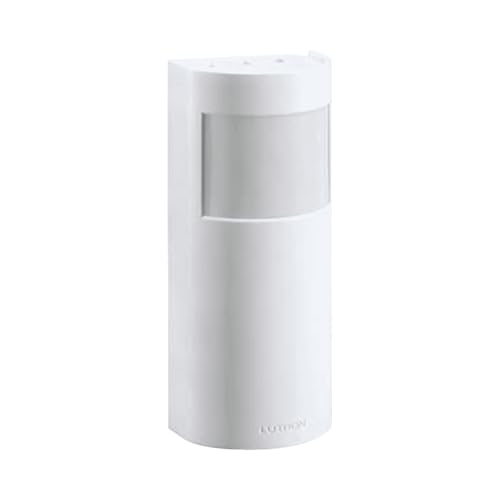
Lutron Caseta Smart Lighting Auto On/Off Motion Sensor, Lutron Motion Sensor for Dimmers, Switches, and Fan Controls, No Wires Required, PD-OSENS-WH, White
SENSING AND CONTROL: This smart motion sensor can automatically turn off any number of Caseta smart devices after…
As an affiliate, we earn on qualifying purchases.
As an affiliate, we earn on qualifying purchases.

meross Matter Human Presence Sensor, 3-in-1 PIR & Light & mmWave Radar Motion Sensor, AI Motion Detector for Matter Smart Home Automation, Supports HomeKit, Alexa, Google, Home Assistant, 2.4GHz Wi-Fi
Radar+PIR+Light 3 in 1 sensor: Combined with PIR and millimeter wave radar, meross HomeKit motion sensor offers significant…
As an affiliate, we earn on qualifying purchases.
As an affiliate, we earn on qualifying purchases.