
Home air monitors reveal pollutants, humidity, and VOC levels that smell alone can’t detect. You’ll see invisible threats like mold spores, dust mites, or formaldehyde that odors often mask or overlook. These devices also track fluctuations and patterns in air quality over time, helping you understand what’s really affecting your space. If you want to uncover hidden indoor air issues and guarantee a healthier environment, sticking with this information can make a big difference.

Get home appliances delivered free with Prime
- Fast, free delivery on millions of items
- Prime Video, Amazon Music and more included
- Member-only deals all year
Key Takeaways
- Precise measurements of pollutants, humidity, and VOCs that odors cannot detect.
- Early warning of invisible airborne irritants like mold spores or formaldehyde.
- Detection of fluctuations and patterns in air quality over time.
- Identification of specific pollution sources for targeted action.
- Objective data supporting informed decisions beyond surface odors.
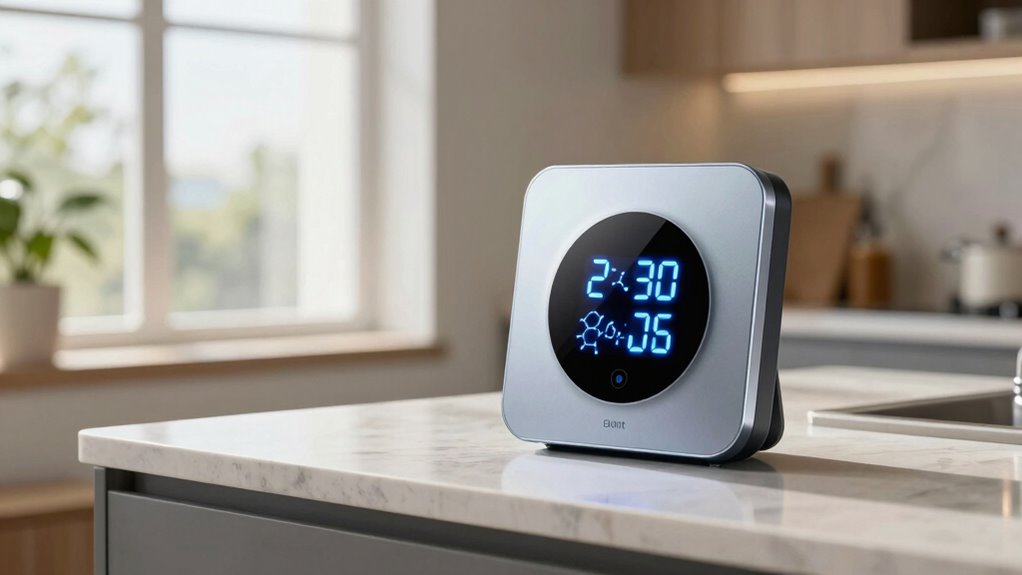
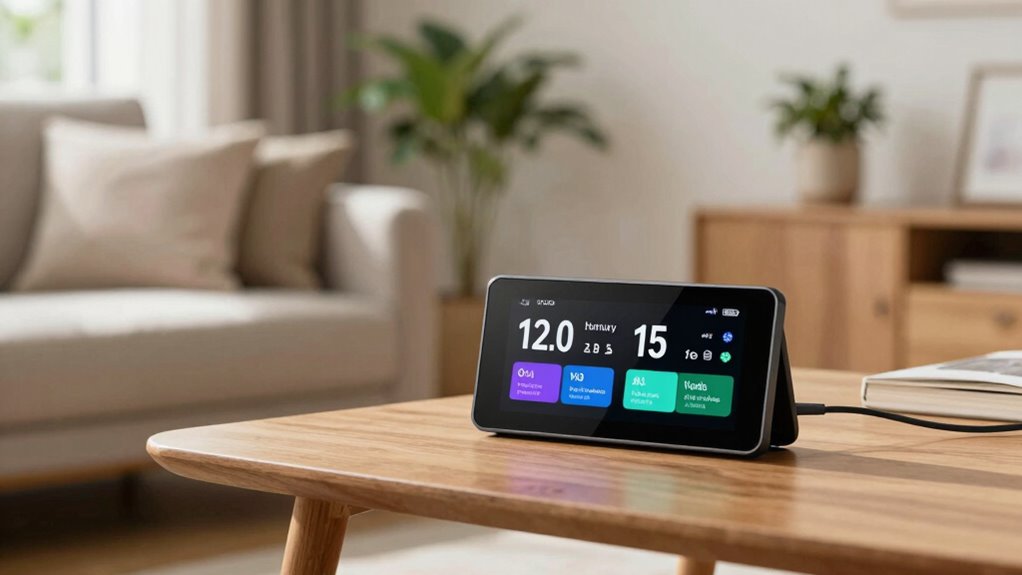
Monitoring the air quality in your home has become easier and more crucial than ever, especially as concerns about indoor pollutants grow. While your nose might tell you if something smells off, it can’t reveal the full story about what’s really lingering in the air. That’s where home air monitors come in. These devices go beyond scent detection, providing precise data about your indoor air quality that you simply can’t get from smell alone. They measure levels of pollutants, humidity, and volatile organic compounds (VOCs), giving you a clear picture of what’s happening behind the scenes.
Home air monitors provide precise data on pollutants, humidity, and VOCs beyond what your nose can detect.
What makes these monitors so powerful is their ability to detect invisible threats. Mold spores, dust mites, formaldehyde, and other airborne irritants can be present even when your home smells fresh. A home air monitor can spot elevated levels of these pollutants before they cause health issues or become noticeable through smell. This early detection allows you to take targeted action—like increasing ventilation, changing filters, or addressing sources of pollution—much faster than relying on your nose or subjective symptoms.
Another critical aspect of using a home air monitor effectively is guaranteeing its accuracy through proper device calibration. Calibration means adjusting the monitor to ensure its readings match established standards. Without it, you risk getting inaccurate data, which could lead you to overlook a serious problem or waste money on unnecessary solutions. Regular calibration, whether performed by yourself or a professional, keeps your device reliable. It’s a small step that makes a big difference in maintaining the integrity of your indoor air quality assessments. Ensuring your device is properly calibrated also helps maintain confidence in the data over time. Additionally, understanding how to interpret air quality data can help you make more informed decisions about your environment. Being aware of indoor pollutants and their sources can further empower you to improve your home’s air quality effectively. Recognizing the importance of proper maintenance can extend the lifespan and accuracy of your monitor, ensuring ongoing reliable readings.
Unlike smells, which can be fleeting or masked by air fresheners, the data from your air monitor is consistent and objective. It provides detailed insights into fluctuations throughout the day, revealing patterns you might never notice. For example, you might discover that certain activities, like cooking or cleaning, temporarily spike pollutant levels. With this knowledge, you can adjust your routines or improve ventilation strategies to keep your indoor environment healthier.
In essence, home air monitors uncover truths that smell simply cannot. They empower you with knowledge about what’s really happening in your air—beyond surface odors—and help you make informed decisions to create a safer, healthier home. Proper device calibration ensures that this information remains accurate over time, so you can trust the data and respond appropriately. In a world where indoor air quality plays a crucial role in your well-being, these monitors become invaluable tools that reveal what’s hidden behind the scenes, offering peace of mind and a healthier living space. Understanding indoor pollutants is key to maintaining a truly healthy environment.
Frequently Asked Questions
How Accurate Are Home Air Monitors Compared to Professional Testing?
Home air monitors are generally less accurate than professional testing because their sensor sensitivity varies, affecting data accuracy. While they provide useful real-time insights into air quality, they might miss subtle issues or produce false readings. Professional testing uses advanced equipment for precise measurements, offering a more reliable assessment. So, if you need exact data, rely on experts, but monitors are great for ongoing, quick checks.
Can Air Monitors Detect Mold or Bacteria?
Home air monitors can help with mold detection and bacteria identification, but they might not catch everything. Many monitors measure airborne particles or specific chemicals, which can indicate mold spores or bacterial presence. However, for precise mold detection or bacteria identification, professional testing is often necessary. Your monitor provides a helpful early warning, but it’s best to confirm with lab analysis if you suspect mold or bacteria issues.
How Often Should I Calibrate My Air Monitor?
Think of your air monitor as a vigilant guardian, constantly needing to sharpen its senses. You should calibrate your sensor regularly—at least once every six months—to guarantee data accuracy. This routine fine-tuning keeps your device alert and reliable, much like a guardian sharpening their sword. Consistent calibration prevents drift, ensuring your air quality readings remain precise, so you can trust what your monitor reveals about your home’s environment.
Do Air Monitors Track Long-Term Air Quality Trends?
Yes, air monitors track long-term air quality trends. By continuously measuring indoor pollutants with air quality sensors, you can see patterns over days, weeks, or months. This helps you identify persistent issues or improvements, allowing you to take targeted actions. Monitoring these trends gives you a clearer picture of your indoor environment’s health, which smell alone cannot provide, ensuring you maintain a safer, healthier home.
Are There Affordable Air Monitors for Small Spaces?
Did you know that over 60% of people struggle to find affordable air monitors? Yes, there are affordable options perfect for small space solutions. These compact devices deliver real-time air quality data without breaking the bank. Whether you’re in a tiny apartment or a cozy office, you can easily monitor pollutants, allergens, and VOCs. Small space solutions like these help you breathe easier and stay informed on your air quality, every day.
Conclusion
With a home air monitor, you’re getting the full story behind your indoor environment—things a smell can’t tell you. It’s like having a detective on your side, uncovering hidden dangers before they become health issues. Relying on scent alone is like looking through a keyhole; air monitors open the door to a clearer, healthier home. Don’t wait for trouble to knock—stay ahead and breathe easier, knowing you’re in the driver’s seat of your indoor air quality.
Halloween Picks
halloween
As an affiliate, we earn on qualifying purchases.