

By carefully examining product labels, you can spot false eco-friendly claims and avoid greenwashing. Look for specific terms like biodegradable or recycled materials, and verify certifications such as FSC or USDA Organic. Be skeptical of vague promises and check detailed information for transparency. Recognizing common greenwashing tactics helps you make smarter choices at home. If you stay curious, you’ll discover even more ways to identify genuine sustainability in everyday products.

Get home appliances delivered free with Prime
- Fast, free delivery on millions of items
- Prime Video, Amazon Music and more included
- Member-only deals all year
Key Takeaways
- Recognizing specific eco-friendly terms and certifications helps verify genuine sustainability claims on product labels.
- Checking for comprehensive ingredient lists and transparency prevents falling for selective greenwashing tactics.
- Understanding regional organic standards ensures products meet genuine organic and sustainability criteria.
- Identifying marketing tricks like vague claims or overemphasis on packaging features avoids superficial eco-friendly impressions.
- Comparing labels and certifications empowers consumers to choose truly sustainable products and avoid misleading marketing.
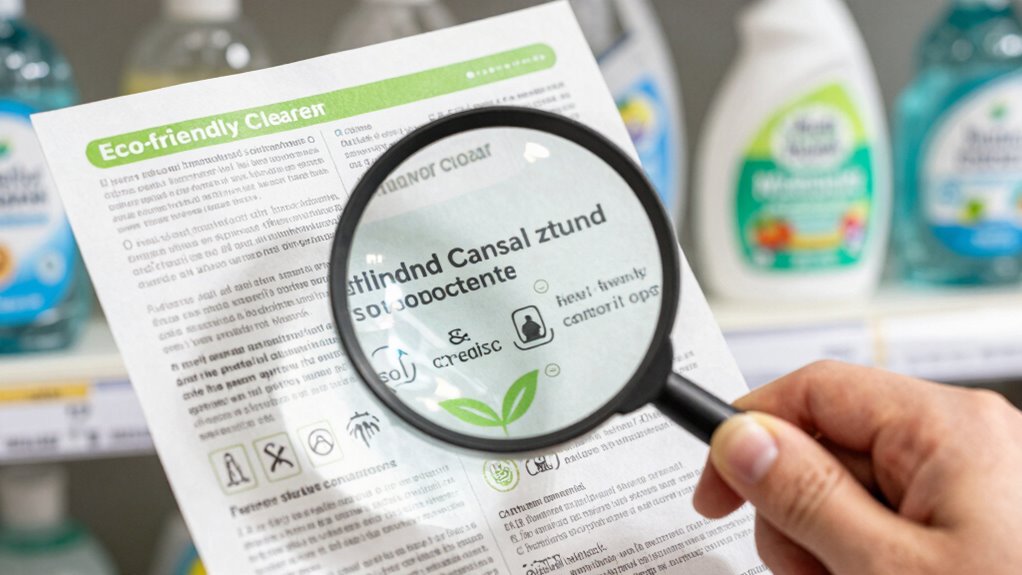
In today’s market, many products claim to be eco-friendly or sustainable, but not all labels tell the truth. It’s easy to be fooled by marketing buzzwords or eye-catching packaging, especially when it comes to eco-friendly packaging and organic certifications. That’s why learning to read labels carefully is your best defense against greenwashing. When you understand what to look for, you can make smarter choices that genuinely align with your values and avoid supporting companies that exaggerate their green credentials.
Start by examining the packaging itself. Eco friendly packaging might be touted as biodegradable, compostable, or made from recycled materials. But these claims aren’t always as straightforward as they sound. Look for specific certifications or labels, such as the Forest Stewardship Council (FSC) or the Biodegradable Products Institute (BPI). These organizations set standards that ensure the packaging truly meets eco-friendly criteria. Avoid vague claims like “green packaging” without supporting evidence, and be skeptical of labels that are vague or overly promotional. Instead, dig deeper into the product details and see if the packaging material is certified by a reputable organization.
Verify eco-friendly packaging with certifications like FSC or BPI; beware vague claims and seek detailed proof.
Similarly, when it comes to organic certifications, don’t just rely on the word “organic” on the label. Check for official seals from recognized certifying bodies such as USDA Organic, EU Organic, or other regional organic standards. These certifications verify that the product meets strict criteria around sustainable farming, chemical use, and processing methods. If a product claims to be organic but lacks certification, it’s worth questioning whether it genuinely meets those standards or if it’s just a marketing ploy. Remember, certifications are designed to protect consumers from false claims, so your attention to these details can save you from being misled.
Reading labels isn’t just about identifying what’s in the product; it’s about understanding what’s *not* immediately obvious. Sometimes, greenwashing can be subtle, like highlighting one environmentally friendly aspect while ignoring others. For example, a product might use eco friendly packaging but contain ingredients or manufacturing processes that aren’t sustainable at all. That’s why you should always look for comprehensive information—certifications, ingredient lists, and company transparency. Additionally, understanding the significance of certification standards helps you recognize when a label genuinely indicates sustainability or if it’s just a marketing tactic. Being aware of common greenwashing techniques can also help you spot misleading claims more easily. When you take the time to scrutinize labels closely, you’re empowering yourself to support genuinely sustainable brands and avoid those that are simply riding the green wave for profit.
Being familiar with eco-friendly marketing claims and how they are used can further sharpen your ability to discern genuine sustainability from superficial promises. When you take the time to scrutinize labels closely, you’re empowering yourself to support genuinely sustainable brands and avoid those that are simply riding the green wave for profit.
FSC certified eco-friendly packaging
As an affiliate, we earn on qualifying purchases.
As an affiliate, we earn on qualifying purchases.
Frequently Asked Questions
How Can I Identify Misleading Eco-Label Claims?
You can identify misleading eco-label claims by paying close attention to eco label nuances and verifying their authenticity. Check for credible certifications from recognized organizations, and research what each label truly signifies. Be cautious of vague or broad claims that lack specific standards. By scrutinizing labels and understanding their meanings, you guarantee the product genuinely meets eco-friendly criteria, preventing greenwashing and making more sustainable choices at home.
Are There Specific Certifications to Trust More Than Others?
Did you know that over 40% of eco labels are either misleading or lack certification authenticity? Trust certifications like USDA Organic, FSC, and Fair Trade, which have strict standards. Be cautious of eco label myths that suggest all labels are equally reliable. By understanding which certifications are credible, you guarantee your purchases genuinely support sustainability, avoiding greenwashing and making a real environmental impact.
How Often Do Companies Update Their Sustainability Claims?
Companies update their sustainability reporting and eco-friendly marketing claims at varying intervals, often annually or biannually. By regularly checking for updates, you stay informed about their latest efforts. This helps you identify genuine commitments versus greenwashing. When you read labels carefully and compare recent sustainability reports, you can make smarter choices, supporting companies that genuinely prioritize eco-friendly practices and avoiding those that might only be marketing claims.
Can Label Reading Help Reduce My Overall Environmental Footprint?
Think of label reading as your personal compass guiding you through an eco-friendly forest. By scrutinizing labels, you can spot eco-friendly packaging and companies using renewable energy, helping you reduce your environmental footprint. When you choose products with transparent sustainability claims, you support greener practices. This conscious effort encourages companies to be genuine in their eco claims, making your choices impactful and helping to protect our planet for future generations.
What Are Common Greenwashing Tactics to Watch Out For?
You should watch out for common greenwashing tactics like vague eco-friendly marketing claims that sound impressive but lack specifics. Companies often use misleading labels or images to imply false sustainability, making products seem better for the environment than they truly are. Be skeptical of buzzwords like “green,” “natural,” or “eco-friendly” without proof. Reading labels carefully helps you distinguish genuine efforts from false sustainability claims, protecting your choices from greenwashing.
Conclusion
By honing your label reading skills, you become a vigilant gardener in your own home, nurturing honesty over deception. Just like a seasoned sailor reads the stars to steer clear of danger, reading labels wisely helps you avoid greenwashing pitfalls. When you scrutinize ingredients and certifications, you’re steering your household toward genuine sustainability. In this way, you turn your home into a sanctuary rooted in truth, cultivating a greener future one informed choice at a time.
Fall Picks
fall essentials
As an affiliate, we earn on qualifying purchases.