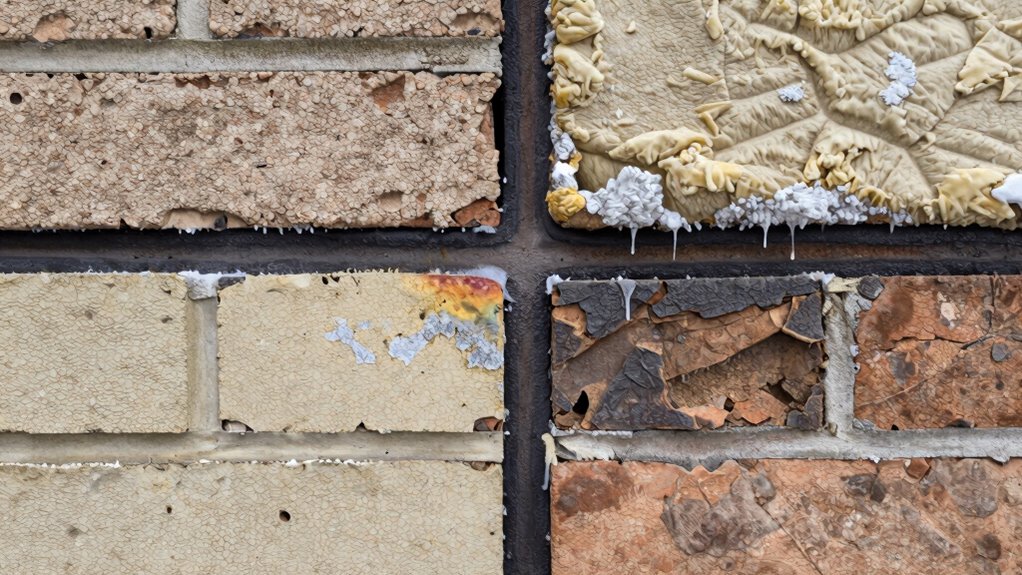

In real homes, thermal bridging shows up as cold patches on walls, floors, or ceilings, often near windows or exterior walls. You might notice drafts, condensation, or mold around weak spots, especially where insulation is missing or compressed. These areas can feel colder and cause uneven temperatures. Structural weaknesses or gaps may also be visible or feel drafty. Understanding what to look for helps you spot problems early—keep exploring to learn more about preventing them.

Get home appliances delivered free with Prime
- Fast, free delivery on millions of items
- Prime Video, Amazon Music and more included
- Member-only deals all year
Key Takeaways
- Cold patches or visible condensation on walls near structural elements indicate heat transfer through thermal bridging.
- Uneven indoor temperatures and drafts are signs of heat bypassing insulation in specific areas.
- Gaps or compressed insulation along studs or beams reveal potential thermal bridging points.
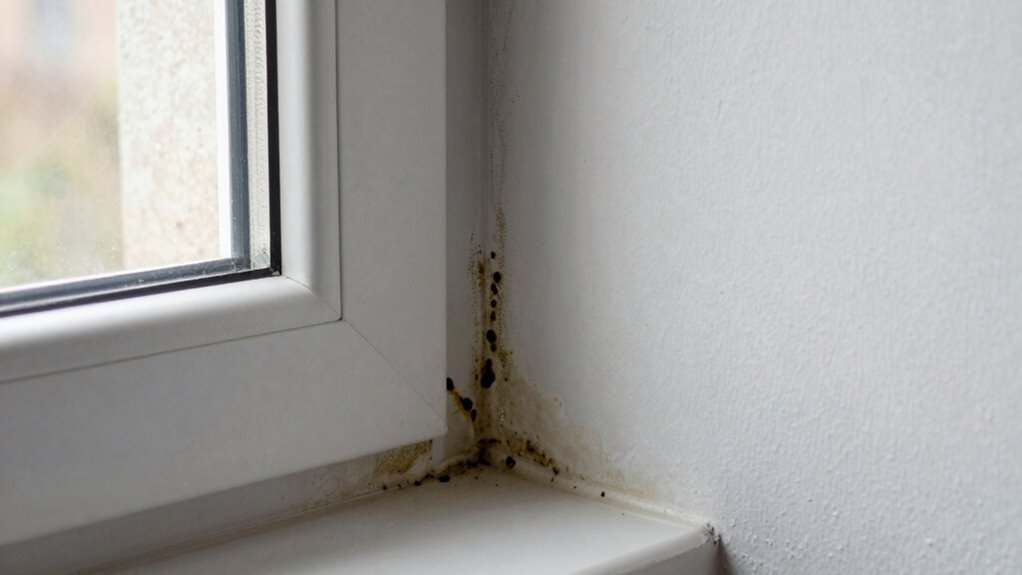
- Mold growth or moisture buildup around weak points suggests condensation caused by thermal bridging.
- Cold spots near window frames or exterior walls often result from heat escaping through structural weak points.
Thermal bridging occurs when heat bypasses insulation through less insulated or conductive materials within your home’s structure. You might notice this as uneven temperature zones or cold spots, especially around walls, ceilings, or floors. These areas often reveal where insulation gaps or structural weaknesses exist, making your home less energy-efficient and more uncomfortable during extreme weather. When heat escapes easily through these weak spots, your heating and cooling systems work harder, increasing energy bills and wearing out faster. Recognizing what thermal bridging looks like in your home helps you identify trouble spots that need attention.
Thermal bridging causes cold spots and energy loss, reducing comfort and increasing heating and cooling costs.
In real homes, thermal bridging often manifests as visible or felt cold patches on walls, floors, or ceilings. You may notice that certain walls are colder to touch, especially exterior walls or those bordering unheated spaces like garages or crawl spaces. These cold spots are signs that heat is slipping through gaps in insulation or traveling along structural elements such as studs, joists, or beams—areas where insulation might be missing or compressed. Over time, you might also spot condensation or mold growth around these weak points, indicating moisture buildup caused by temperature differences. These are clear signs of how insulation gaps and structural weaknesses allow heat to bypass your insulation, undermining your home’s thermal barrier. Thermal bridging can also contribute to increased condensation and mold growth, which further damages your home’s structure and indoor air quality. Addressing these issues promptly can help prevent long-term damage and improve overall comfort. Additionally, understanding the building envelope can help homeowners better identify areas vulnerable to thermal bridging.
You’ll also find that thermal bridging can cause drafts, especially near window and door frames or in poorly sealed corners. When structural weaknesses exist, especially around penetrations or joints, they create pathways for air and heat transfer. These weak points make your home less airtight and contribute to uneven temperatures, making some rooms feel drafty while others stay warm. If you notice persistent cold drafts or uneven heating, it’s likely due to thermal bridging caused by these structural issues. Addressing the gaps and weaknesses involves sealing cracks, adding insulation where gaps are present, or reinforcing the structure to prevent heat from bypassing your insulation. Improving insulation and sealing leaks can significantly reduce air leakage and enhance your home’s energy efficiency. Furthermore, paying attention to the building’s construction details can help identify potential areas prone to thermal bridging before issues become severe. Being aware of common structural weaknesses can also guide you in preventative maintenance to sustain your home’s thermal integrity.
As an affiliate, we earn on qualifying purchases.
Frequently Asked Questions
How Can I Identify Thermal Bridging in My Home?
To identify thermal bridging in your home, look for cold spots on walls, especially near windows, doors, or where different building materials meet. Use a thermal camera to detect heat loss areas within your building envelope. You might notice condensation or mold in these spots too. Addressing thermal bridging improves energy efficiency and comfort, so consider consulting a professional to assess your home’s insulation and structural components for proper insulation or thermal breaks.
What DIY Methods Are Effective for Reducing Thermal Bridging?
Did you know that thermal gaps can cause up to 30% of heat leakage in homes? To reduce thermal bridging yourself, start by sealing gaps around windows and doors with weatherstripping or caulk. Add insulation to vulnerable areas like wall studs and rooflines. Using foam boards or rigid insulation on exterior walls can also minimize heat transfer. These simple DIY steps help block heat leakage and improve your home’s energy efficiency.
Does Thermal Bridging Affect Indoor Air Quality?
Thermal bridging can negatively impact indoor air quality by creating cold spots where moisture can condense, leading to mold growth and poor air conditions. You should implement proper ventilation strategies to improve airflow, reduce humidity, and prevent mold. Additionally, insulating thermal bridges helps maintain consistent indoor temperatures, which supports healthier indoor air quality. Regularly checking for moisture issues and ensuring good ventilation are key to keeping your indoor air safe and comfortable.
Are Certain Building Materials More Prone to Thermal Bridging?
Certain building materials are more prone to thermal bridging because of their thermal conductivity and material susceptibility. You’ll find that materials like metal, concrete, and uninsulated wood are more likely to transfer heat, creating weak spots in your home’s insulation. These materials tend to conduct heat quickly, making them more susceptible to thermal bridging. To prevent this, you should choose better insulators and incorporate thermal breaks into your design.
How Much Can Insulation Improvements Reduce Thermal Bridging?
Insulation improvements can considerably reduce thermal bridging, often by 30-50%, depending on the techniques used. You can maximize these benefits through advanced insulation techniques like continuous exterior insulation and thermal breaks. Using thermal imaging helps you identify existing thermal bridges and monitor progress. By addressing these areas, you’ll improve energy efficiency, lower heating costs, and create a more comfortable living environment.
Conclusion
Recognizing thermal bridging is like catching leaks in your home’s armor—small cracks that let heat slip away unnoticed. By understanding where these gaps hide, you can better insulate and seal your space, turning your home into a cozy fortress against the cold. Don’t let these invisible intruders steal your warmth; instead, patch up the vulnerabilities and keep comfort firmly within your grasp. After all, a well-insulated home is your best shield against the chill.
Fall Picks
fall essentials
As an affiliate, we earn on qualifying purchases.