
You might think increasing insulation depth alone will keep your home warmer and save energy, but quality matters just as much. High-quality insulation resists pests, mold, and moisture, keeping its effectiveness long-term. It also provides consistent thermal resistance, ensuring your home stays comfortable year-round. Proper installation of top-tier materials maximizes energy savings and durability. If you want to understand how the right insulation can make a real difference, keep exploring these factors carefully.
Key Takeaways
- High-quality insulation maintains its thermal resistance longer, ensuring consistent energy efficiency over time.
- Properly manufactured materials resist pests, mold, and moisture, preserving insulation effectiveness.
- Superior insulation materials often require less depth to achieve desired thermal performance.
- Quality installation of good materials maximizes energy savings and home comfort.
- Durable insulation reduces maintenance costs and prevents performance degradation.
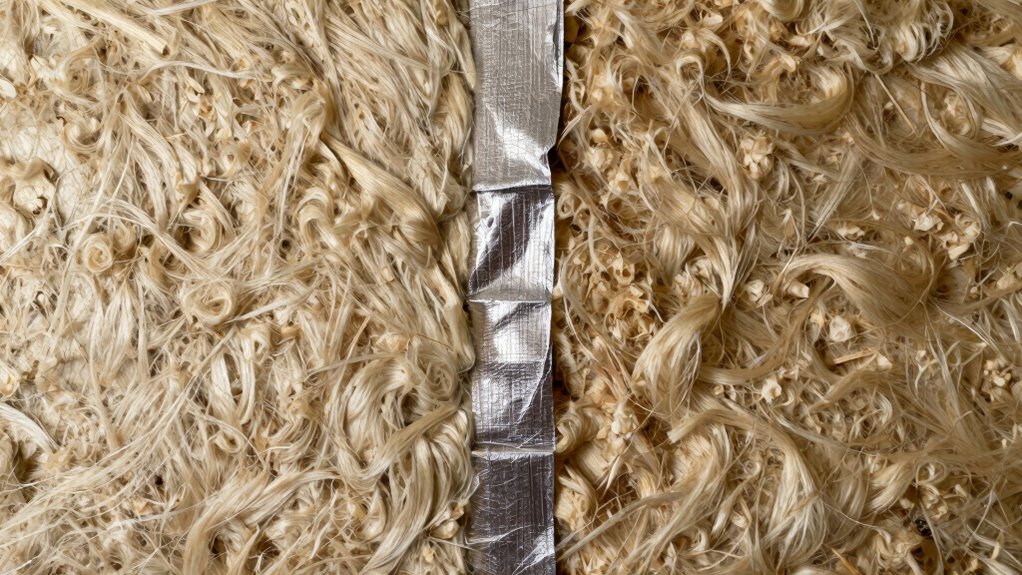
Good insulation can markedly impact your home’s comfort and energy bills, making it a crucial factor to contemplate. When considering insulation, many focus on its depth—how thick it is. While thickness is important, it’s equally essential to understand the quality of the insulation material itself. High-quality insulation offers better thermal resistance, meaning it can effectively reduce heat transfer between your home’s interior and the outside environment. This resistance determines how well your home retains warmth in winter and stays cool in summer, directly influencing comfort and energy efficiency. Additionally, selecting materials with proven industry standards ensures you’re investing in insulation that meets safety and performance benchmarks. Material durability is another key aspect that shouldn’t be overlooked. You want insulation that maintains its properties over time without degrading. Durable materials resist pests, mold, and moisture, which can compromise their insulating ability and lead to costly repairs. When you invest in high-quality insulation, you’re ensuring that it continues to perform well for years, reducing the need for frequent replacements or repairs. This longevity not only saves money but also guarantees consistent protection against temperature fluctuations.
High-quality insulation enhances comfort and energy savings by effectively reducing heat transfer and maintaining consistent indoor temperatures.
Think about the types of insulation you’re considering. Some materials may boast high thermal resistance initially but degrade quickly under exposure to moisture or pests. Others may be extremely durable but lack the necessary thermal resistance to be effective. Striking the right balance between these features is essential. For example, certain foam insulations offer excellent thermal resistance and durability when properly installed, making them a smart choice for long-term performance. On the other hand, traditional options like fiberglass may have decent durability but might not provide the same level of thermal resistance unless installed thick enough, which could be less practical. Understanding the importance of material properties can help you make more informed choices. It’s also beneficial to consider insulation installation techniques, as proper installation can significantly influence the overall effectiveness of the insulation. Properly selecting and installing insulation with the right thermal resistance can maximize energy savings and comfort. Recognizing the importance of insulation quality can guide you toward more sustainable and cost-effective home improvements. Ultimately, the quality of insulation directly impacts your comfort and your wallet. You want an insulation material that provides high thermal resistance, resisting heat flow effectively, and that also remains durable over time. Poor-quality insulation might be cheaper initially but can lead to higher energy costs, drafts, and maintenance expenses down the line. When you prioritize quality, you’re making an investment in a more comfortable, energy-efficient home that stands the test of time. Remember, insulation isn’t just about filling a space; it’s about selecting a material that performs well now and for years to come, ensuring your home remains cozy and cost-effective.
As an affiliate, we earn on qualifying purchases.
Frequently Asked Questions
How Does Insulation Quality Impact Energy Savings Long-Term?
Insulation quality directly impacts your long-term energy savings by enhancing thermal retention and preventing heat loss. High-quality insulation resists moisture, reducing mold and deterioration that can compromise its effectiveness over time. When you choose top-tier insulation, you guarantee better energy efficiency, lower utility bills, and a more comfortable home. Poor quality insulation, on the other hand, leads to increased energy use and potential damage, costing you more in the long run.
What Are Common Signs of Poor Insulation Quality?
Think of poor insulation as a leaky, unsealed jar—your home’s thermal resistance falters, and energy escapes. Signs include uneven temperatures, drafts, or excessive heating and cooling bills. If insulation installation feels patchy or compressed, it’s a clear warning. These issues indicate compromised insulation quality, making your home less efficient. Addressing these signs guarantees your insulation performs its job, keeping your space cozy and energy costs in check.
Can High-Quality Insulation Improve Indoor Air Quality?
Yes, high-quality insulation can improve indoor air quality by enhancing indoor pollutant control and ventilation efficiency. When your insulation is effective, it helps maintain consistent temperatures and reduces drafts, which minimizes the entry of outdoor pollutants. Better insulation also supports proper ventilation systems, ensuring stale air gets replaced with fresh air, reducing indoor allergens and pollutants. Overall, quality insulation creates a healthier, more comfortable living environment.
How Do Different Insulation Materials Compare in Quality?
Think of insulation materials as different brushes on an artist’s palette. Fiberglass offers durability and cost-effectiveness, but might impact the environment more. Spray foam delivers excellent sealing, yet can be less eco-friendly and harder to install. Mineral wool stands out with its durability and eco benefits, making it a top choice. Your decision hinges on balancing insulation durability and material environmental impact to craft a sustainable, effective home.
Is Premium Insulation Worth the Extra Cost?
Yes, premium insulation is worth the extra cost if you value energy efficiency and long-term savings. While the initial investment is higher, a thorough cost comparison shows reduced energy bills and better comfort. Be aware of installation challenges, as high-quality materials may require skilled installation. Ultimately, investing in premium insulation improves your home’s performance, making it a smart choice despite the upfront expense.
Conclusion
Remember, insulation isn’t just about digging deeper; it’s about ensuring quality seals and materials that keep warmth in and cold out. Think of your home’s insulation like a well-trained guardian—if it’s poorly equipped, even the deepest defenses won’t hold. Prioritize both quality and depth to create a fortress against the elements. When you invest in good insulation, you’re planting seeds for comfort, savings, and peace of mind—making your home a cozy haven amidst the storm.