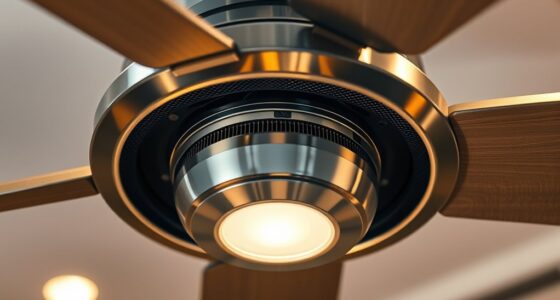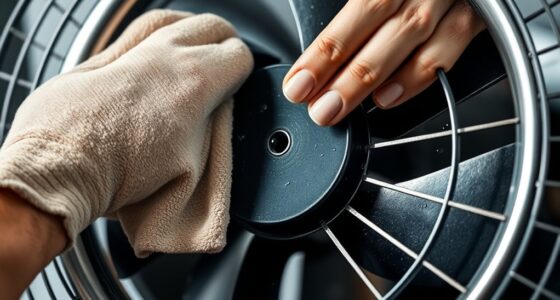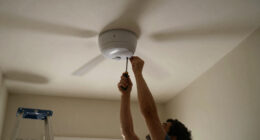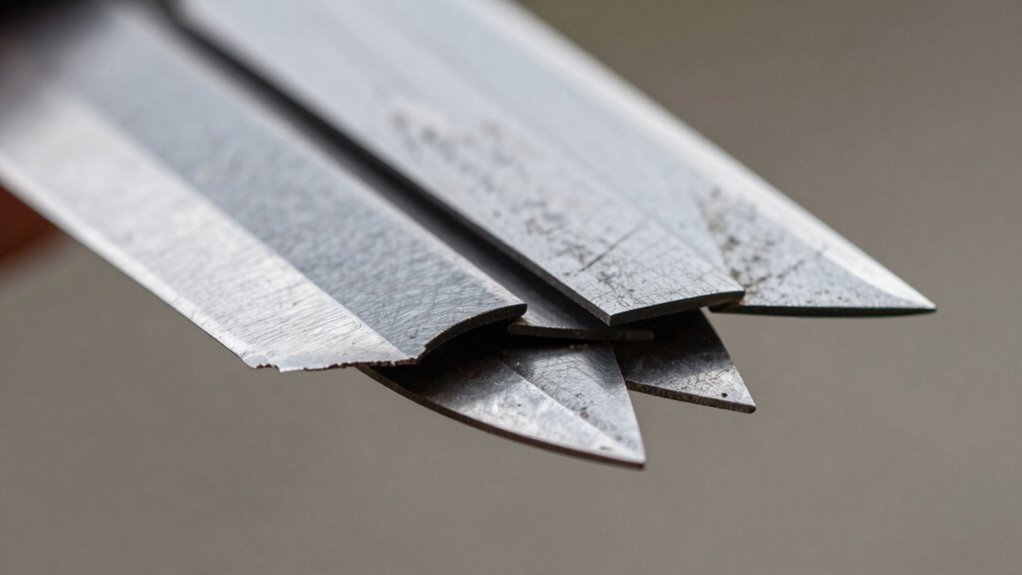
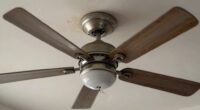
If your blades are drooping or warping, it’s likely caused by environmental factors like heat, moisture, or sunlight, or manufacturing defects that weaken the structure. Material choice also plays a role; plastic or composite blades are especially prone to warping from environmental stress. Regular inspections can catch early signs, and repairing minor issues or replacing with better materials can help. Keep exploring to discover more ways to prevent and address these problems effectively.
Key Takeaways
- Warping often results from environmental factors like heat, moisture, or sunlight exposure damaging the blade material.
- Manufacturing defects or improper cooling during production can weaken blades, leading to drooping over time.
- Different materials respond uniquely; plastics and composites are more prone to warping than metals under environmental stress.
- Regular inspections can help detect early signs of warping or damage, enabling timely repairs or replacements.
- Using suitable materials, maintaining proper operating conditions, and replacing damaged blades prevent further warping.
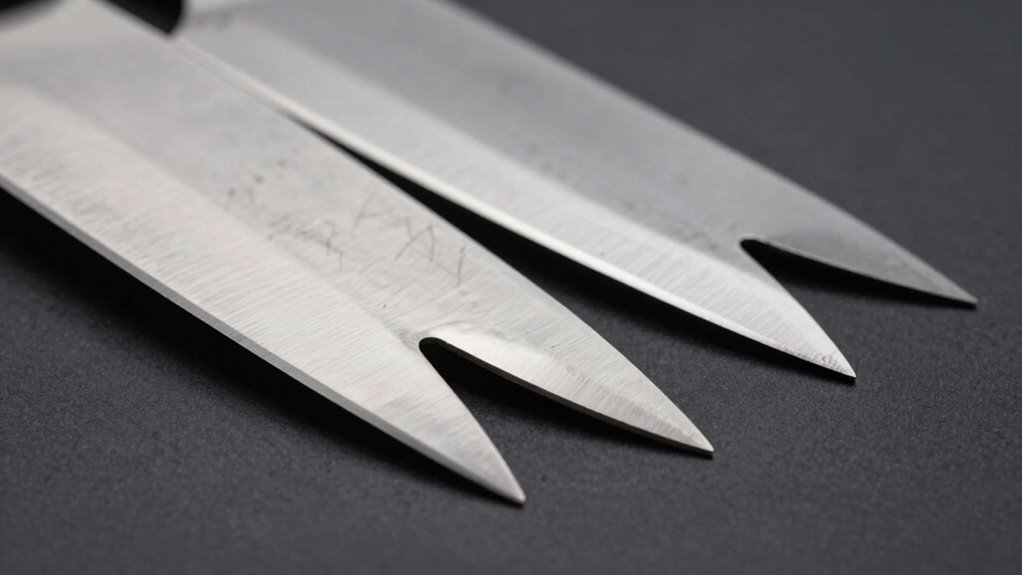
If your blades are drooping or warping, it’s a clear sign that something’s affecting their integrity and performance. This issue isn’t just about aesthetics; it can considerably impact the efficiency of your equipment and even cause safety hazards. Understanding the root causes can help you prevent further damage and decide whether repairs or replacements are necessary. One common culprit behind warped blades is the type of blade materials used during manufacturing. Different materials respond differently to environmental factors like heat, moisture, and mechanical stress. For example, blades made from certain plastics or composites may be more prone to warping if they aren’t designed to withstand high temperatures or prolonged exposure to moisture. Metal blades, while generally more durable, can also warp if subjected to uneven heating or mechanical overload.
Warped blades often indicate material issues or environmental stress affecting performance and safety.
Manufacturing defects play a vital role in the early failure of blades. Sometimes, flaws during production—such as improper cooling, inconsistent material distribution, or weak bonding—can compromise the blade’s structural integrity from the start. These defects might not be immediately obvious but can manifest over time as the blade encounters normal operating conditions. For instance, a blade with a tiny internal crack or uneven thickness due to manufacturing errors might seem fine initially but will gradually bend or warp under stress. If you notice your blades drooping or warping prematurely, it’s worth inspecting them closely for signs of manufacturing defects, such as surface irregularities, uneven edges, or inconsistent coloration, which can indicate internal issues.
Environmental factors also contribute to blade warping, especially if the blades are exposed to high heat or moisture levels. For example, prolonged exposure to direct sunlight or high humidity can cause certain blade materials to expand unevenly, leading to warping. Mechanical stress from improper installation or excessive vibration can also weaken the blade’s structure over time. Regular maintenance and proper handling can mitigate these issues, but if you already see warping, it’s essential to identify whether the root cause is material choice, manufacturing flaws, or environmental conditions.
Ultimately, addressing drooping or warped blades involves evaluating their material composition and inspecting for manufacturing defects. If the damage is minor, you might be able to straighten or repair the blades, but often, replacing them with higher-quality, appropriately selected materials is the safer and more effective solution. Staying vigilant about the quality of blades you acquire and ensuring proper operating conditions can extend their lifespan and maintain peak performance.

Four Blade Repair Kit for RTF63
6.3" open fiberglass reinforced blade diameter
As an affiliate, we earn on qualifying purchases.
As an affiliate, we earn on qualifying purchases.
Frequently Asked Questions
How Can I Prevent Blades From Warping Over Time?
To prevent blades from warping over time, regularly replace dull blades to maintain sharpness and reduce stress. Use proper cutting techniques to avoid unnecessary strain on the blade, which can cause warping. Store blades in a dry, cool place to prevent moisture damage. Avoid forcing cuts or using the blade at improper angles. Proper maintenance and careful handling help extend your blade’s lifespan and keep it functioning effectively.
Are Certain Materials More Prone to Drooping?
When it comes to drooping, certain materials are more prone to it due to material susceptibility. For example, softer woods or plastics tend to warp more easily, especially if exposed to humidity or heat. To avoid this, consider design considerations that include using stable, resistant materials or adding reinforcement. You’re better off not putting all your eggs in one basket—selecting durable materials can save you trouble down the line.
Does Humidity Affect Blade Warping?
Yes, humidity effects can cause blade warping. When the air is humid, moisture can seep into the material, leading to expansion and deformation over time. Environmental factors like fluctuating humidity levels intensify this issue, making blades more prone to drooping or warping. To prevent this, keep blades in a controlled environment with stable humidity, and store them properly to minimize exposure to moisture and temperature changes.
Can Regular Maintenance Stop Blades From Drooping?
Yes, regular maintenance can prevent blades from drooping. You should regularly sharpen your blades to maintain their integrity and cutting efficiency. Proper installation techniques are also essential; make sure blades are mounted correctly and securely. By performing routine checks, sharpening, and following installation guidelines, you help keep blades straight and functional, reducing the chances of warping or drooping over time. This proactive approach extends your blade’s lifespan and maintains peak performance.
What Are the Signs That Blades Are About to Warp?
You’ll notice signs like uneven cutting, bent or twisted blades, or increased vibration, which indicate warping might be near. Pay attention to blade material because softer metals warp more easily, and always store your blades in proper conditions—dry, cool places—to prevent warping. Regularly inspecting your blades helps you catch issues early, ensuring your equipment stays sharp and minimizes the risk of warping over time.

HORUSDY 6PCS 9-Inch 14TPI Bi-Metal Reciprocating Saw Blades, Heavy-Duty Blades for Cutting Steel Pipe, Rebar and Sheet Metal, Universal Shank Fits Most Saws
【Professional 6PCS Cutting Set】Includes 6 pieces of 9-inch 14TPI reciprocating blades, ideal for cutting through steel pipes, rebar,…
As an affiliate, we earn on qualifying purchases.
As an affiliate, we earn on qualifying purchases.
Conclusion
To keep your blades from drooping or warping, regular maintenance and proper storage are key. Think of your blades as the heart of your tools—neglect them, and they’ll weaken faster than a superhero losing their powers! By cleaning, drying, and storing them correctly, you’ll make sure they stay sharp and sturdy for years to come. Don’t let warped blades turn your projects into a disaster—give them the love they deserve and keep them in top shape!
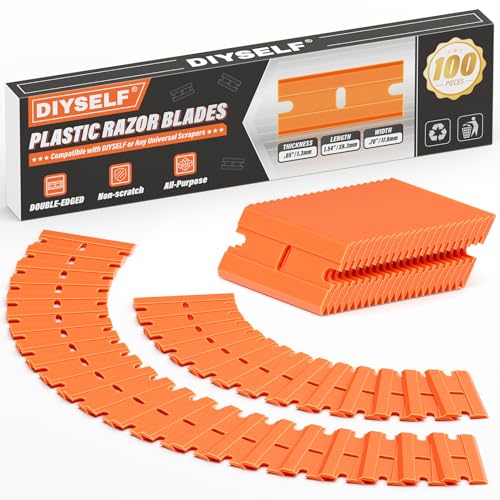
DIYSELF 100 Pack Plastic Razor Blades, Blade Refill for Plastic Razor Blade Scraper, Durable Plastic Blades for Cleaning Adhesives, Glass, Metal, and Floors, Plastic Scraper Blades
Premium Quality: Made from high-quality plastic, these orange plastic razor blades are rigorously tested for durability and strength….
As an affiliate, we earn on qualifying purchases.
As an affiliate, we earn on qualifying purchases.

Bates- Long Reach Extension Scraper, 11-Inch, Razor Scraper with Extra 3 Double Edged Plastic & 3 Metal Blades, Long Handle Razor Blade Scraper, Razor Scraper, Window Scraper, Scraper Tool
Bates long reach extension scraper comes with a 11-inch handle for extended reach and includes 3 double-edged plastic…
As an affiliate, we earn on qualifying purchases.
As an affiliate, we earn on qualifying purchases.