TL;DR

Get home appliances delivered free — and shop member deals
- Fast, free delivery on millions of items
- Access to Prime Big Deal Days deals on October 6–7
- Prime Video, Amazon Music and more included
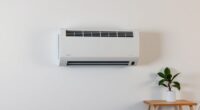
A homeowner shares how they successfully added smart features to a standard AC unit without risking their security deposit. The method involves non-invasive, temporary modifications. This approach offers a cost-effective way to upgrade cooling systems while maintaining rental agreements.
A homeowner has revealed how they converted their traditional air conditioning unit into a smart device using non-invasive, temporary modifications, avoiding any risk to their security deposit. This practical approach allows renters and homeowners to upgrade their cooling systems with smart features without violating lease agreements or damaging property.
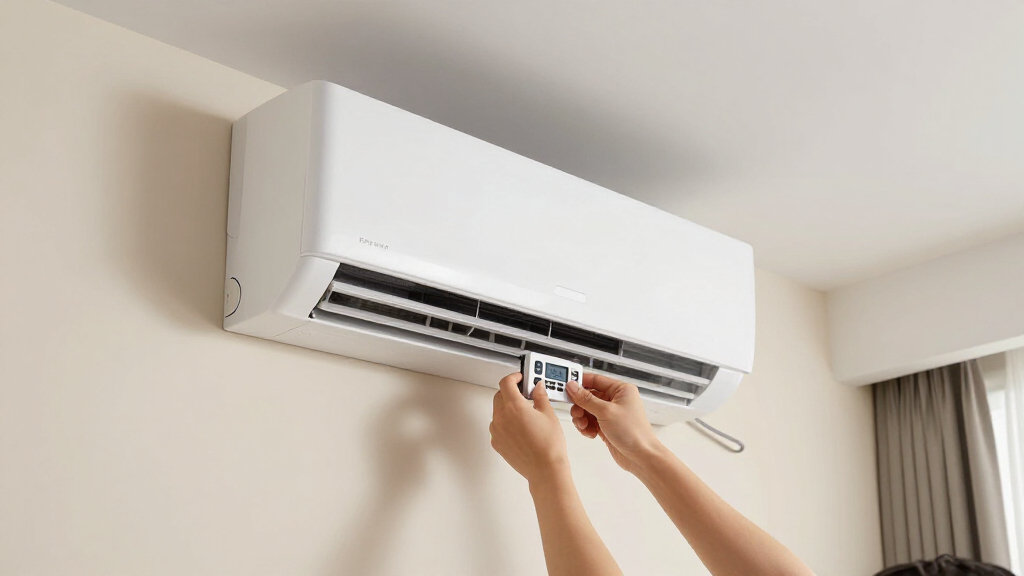
The individual used a combination of external smart plug adapters and wireless temperature sensors to monitor and control the AC remotely. These devices do not require any permanent alterations or electrical work, making them compliant with typical rental agreements.
They emphasized that all modifications are reversible, with no drilling, wiring, or damage to the AC unit itself. The setup involves plugging the AC into a smart plug that can be controlled via smartphone apps, and adding a wireless sensor to track temperature and humidity, which can trigger the smart plug automatically.
Experts confirm that such non-invasive methods are effective and widely used by renters seeking smart home upgrades without risking deposit disputes. The homeowner also recommends checking lease terms beforehand and ensuring devices are company-approved or non-damaging.
Practical Impact of Non-Invasive Smart AC Upgrades
This approach provides a cost-effective and legal way for renters to enjoy smart home features, such as remote control and automation, without risking damage or losing security deposits. It democratizes smart home technology, making it accessible to those in rental properties or hesitant to undertake permanent modifications.
For landlords and property managers, understanding these non-invasive solutions can help set clear guidelines for tenants, fostering trust and innovation in rental properties. It also highlights the importance of using approved, reversible devices that do not alter property infrastructure.
As an affiliate, we earn on qualifying purchases.
Rental Restrictions and the Rise of Temporary Smart Devices
Many rental agreements prohibit permanent modifications to property, including electrical or structural changes. This limits tenants’ ability to upgrade appliances or install smart devices that require wiring or drilling.
In recent years, the market has seen a surge in portable, wireless smart home gadgets designed for easy installation and removal. These include smart plugs, wireless sensors, and battery-powered controllers, which do not violate typical lease terms.
This case exemplifies how consumers are adapting to these restrictions by leveraging non-invasive technology to upgrade their appliances without risking security deposits or lease violations.
Limitations and Potential Risks of Non-Invasive Smart AC Setup
While effective, this method may have limitations in terms of automation complexity, device compatibility, and potential interference with existing home systems. It is also unclear whether all landlords will accept these temporary modifications, and there may be variations in lease agreements regarding smart devices.Next Steps for Renters and Landlords Considering Smart Upgrades
Renters should review lease agreements and consult with landlords before implementing non-invasive smart devices. Manufacturers are expected to develop more integrated, rental-friendly solutions that require minimal setup and no permanent alterations.
Property managers and landlords might consider establishing clear policies on temporary smart upgrades, encouraging tenants to adopt such solutions responsibly. Future developments may include standardized, approved smart devices designed specifically for rental properties.
Key Questions
Can I use a smart plug to control my AC without risking my security deposit?
Yes. Using a smart plug that simply connects between your AC and the power outlet is a non-invasive method that does not alter the property and typically does not affect your security deposit.
Are wireless sensors safe to use with rental property appliances?
Wireless sensors are generally safe when used according to manufacturer instructions. They are battery-powered and do not require wiring or permanent modifications, making them suitable for rental settings.
Will landlords accept these non-permanent modifications?
Acceptance varies. It is advisable to review lease terms and discuss with your landlord before installing any devices. Many landlords appreciate non-damaging, reversible solutions.
What if I want to upgrade my AC permanently later?
Permanent upgrades typically require approval and possibly permits. Always consult with your landlord and follow local regulations before making any structural or electrical changes.
Are there any risks to using smart devices with my AC?
Risks are minimal if devices are used correctly and are compatible with your appliances. Always follow safety guidelines and manufacturer instructions to prevent electrical issues or device malfunctions.
Source: hn
Halloween Picks
halloween
As an affiliate, we earn on qualifying purchases.