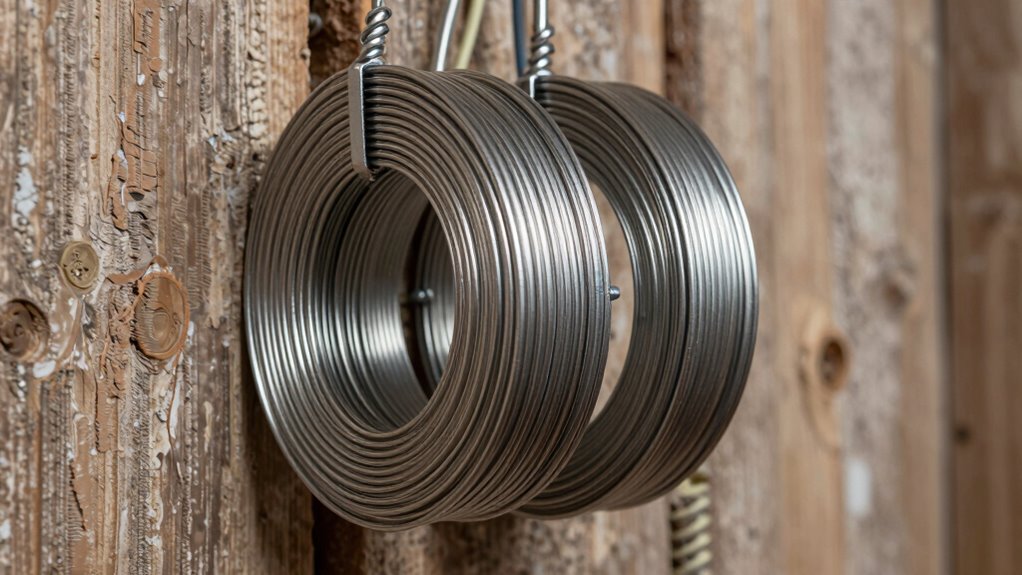
Fish tape and pull rods are your secret weapons for running new wires through tight or tricky spaces. They help guide cables behind walls, through conduits, or around obstructions with ease, saving you time and frustration. Using these tools properly keeps your wiring neat, safe, and professional-looking. To master these essential aids and make your installations smoother, keep exploring—there’s plenty more to discover for successful wiring projects.
Key Takeaways
- Fish tape and pull rods simplify wire routing through tight or inaccessible spaces, making the process faster and less frustrating.
- They help prevent wire tangling and damage, ensuring a safer, cleaner, and more professional wiring installation.
- Proper handling and safety precautions protect against injuries and electrical hazards during wiring tasks.
- These tools are essential even in wireless setups to run power and data wires discreetly behind walls or conduits.
- Following manufacturer instructions and using flexible tools for complex paths optimizes the efficiency of wiring projects.
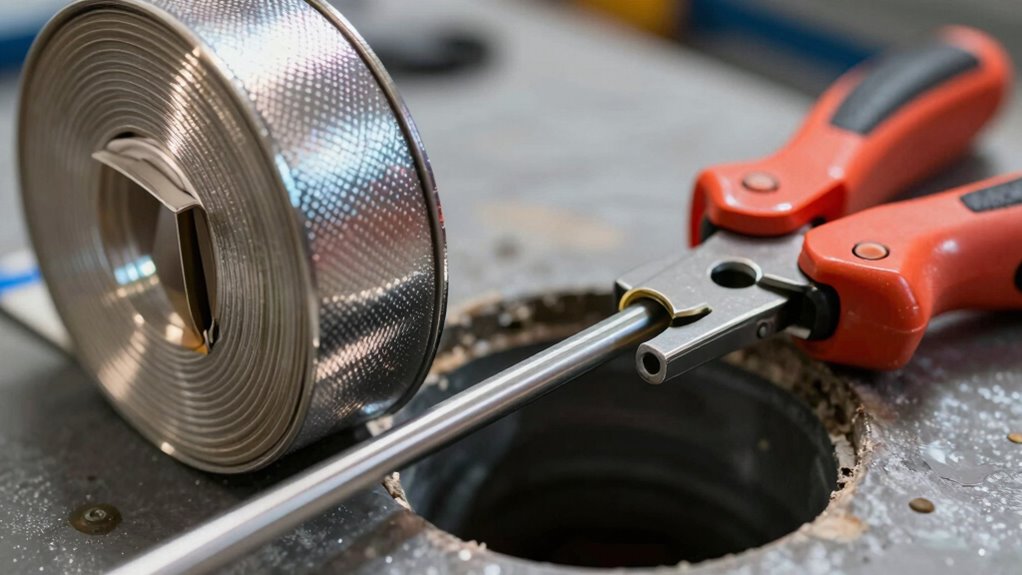
Have you ever struggled to pull wires through tight or inaccessible spaces? If so, you’re not alone. Maneuvering those cramped conduits or behind-wall runs can be a real challenge, especially when wiring gets tangled or caught on obstructions. That’s where fish tape and pull rods come in—they’re your secret weapons for making the process smoother and more efficient. These tools help you guide wires through difficult areas without excessive hassle, saving you time and frustration. When it comes to wireless installation, you might think traditional wiring isn’t necessary, but many setups still require running cables for power, routers, or other devices. Using fish tape and pull rods ensures those wires get where they need to go safely and neatly, even in tricky spaces. Incorporating connected equipment into your home wiring plan can also enhance your overall wellness by supporting a smarter, more integrated home environment.
Safety precautions are essential when working with fish tape and pull rods. Always wear protective gloves to prevent cuts or punctures from the metal or fiberglass. Keep your workspace clear of clutter to avoid tripping hazards, and make sure your ladder or platform is stable if you’re working overhead. It’s important to double-check that the power is off if you’re pulling electrical wires, to avoid shocks or short circuits. When pulling wires, be gentle—don’t force the cable or the tool, as this can damage the wire or the conduit. If you’re working in tight spaces, consider using flexible fish tape or push rods designed for those conditions. Always follow manufacturer instructions for the tools, and inspect them for damage before starting your project.
In wireless installation projects, you might think wires are obsolete, but in reality, many components still need physical connections for power or data transfer. Fish tape allows you to run these wires discreetly and securely behind walls or through conduits, maintaining a clean and professional look. Pull rods are especially useful when wires need to be guided through longer or more complex runs, helping you avoid snagging or bending the cable unnecessarily. Properly anchoring and securing wires after pulling prevents damage and ensures longevity. Remember, the key to a successful wiring job isn’t just the tools you use but also how carefully you handle them and adhere to safety precautions. With the right approach, fish tape and pull rods turn what used to be a frustrating task into a straightforward process, giving you a smooth, reliable wiring setup every time.

Klein Tools 56335 Flat Steel Electrical Fish Tape, 25-Foot 1/4-Inch Wide Spring Steel Tape, Slim Plastic Tip, Laser Etched 1-Foot Markings
Durable, high carbon 1/4-Inch wide spring steel fish tapes are firm yet flexible
As an affiliate, we earn on qualifying purchases.
As an affiliate, we earn on qualifying purchases.
Frequently Asked Questions
What Safety Precautions Should I Take When Using Fish Tape?
When using fish tape, always wear personal protective equipment like gloves and safety glasses to prevent injuries. Make certain the fish tape has proper electrical insulation to avoid shocks. Check for sharp edges on the tape that could cause cuts, and handle it carefully to prevent damage. Keep the work area dry and clear of obstructions. By following these safety precautions, you minimize risks and work more efficiently.
How Do I Choose the Right Pull Rod Length for My Project?
You might think choosing the right pull rod length is rocket science, but it’s simpler than you believe. Measure your project requirements carefully—if you’re steering tight spaces, opt for a shorter rod; for longer runs, go longer. Always get a pull rod that exceeds your project needs slightly. This way, you avoid frustration and make sure smooth wire pulls, making your job easier and more efficient.
Can Fish Tape Be Used in Wet or Damp Conditions?
Yes, you can use fish tape in wet or damp conditions. Look for a fish tape with water resistance to prevent damage, and choose one with corrosion prevention features. These qualities guarantee your tool stays functional and durable despite moisture. Always dry and inspect your fish tape after use in damp environments to maintain its effectiveness and longevity, making your wiring job smoother and safer.
What Materials Are Best for Making Durable Pull Rods?
Did you know that choosing the right pull rod materials can extend your tool’s lifespan by up to 50%? For durability considerations, opt for materials like fiberglass or carbon fiber, which are lightweight yet incredibly strong. These pull rod materials withstand bending, cracking, and wear over time, making your wiring jobs smoother and more reliable. Investing in durable materials guarantees your pull rods stand up to tough conditions and heavy use.
How Do I Prevent Damage to Existing Wiring During Installation?
To prevent damage to existing wiring during installation, you should prioritize wire protection by using proper insulation techniques like wrapping wires with protective coverings or using conduit. Carefully feed the new wire through tight spaces, avoiding sharp edges that could cut insulation. Always inspect your tools and pull rods for damage before use, and work slowly to prevent accidental snags or tears that could compromise the integrity of the existing wiring.

FTIHTRY 45FT Fiberglass Running Electrical Wire Cable Glow Rods Wire Pulling, Fish Rods Electrical Kit with 8 Different Attachments and Fish Tape Wire Puller Kit
This 45FT fiberglass running wire cable electrical fish tape kit is made of fiberglass material, low friction design…
As an affiliate, we earn on qualifying purchases.
As an affiliate, we earn on qualifying purchases.
Conclusion
Using fish tape and pull rods is like wielding a secret weapon for wiring your home. They turn what seems like a tangled jungle into a clear path, making your job smoother and less stressful. With these tools in your hand, you transform a challenging task into a manageable adventure, guiding new wires through the maze with confidence. Keep these cheat codes in your toolbox, and you’ll always have the perfect map to success.
FTIHTRY 45FT Fiberglass Running Electrical Wire Cable Glow Rods Wire Pulling, Fish Rods Electrical Kit with 8 Different Attachments and Fish Tape Wire Puller Kit
This 45FT fiberglass running wire cable electrical fish tape kit is made of fiberglass material, low friction design…
As an affiliate, we earn on qualifying purchases.
As an affiliate, we earn on qualifying purchases.
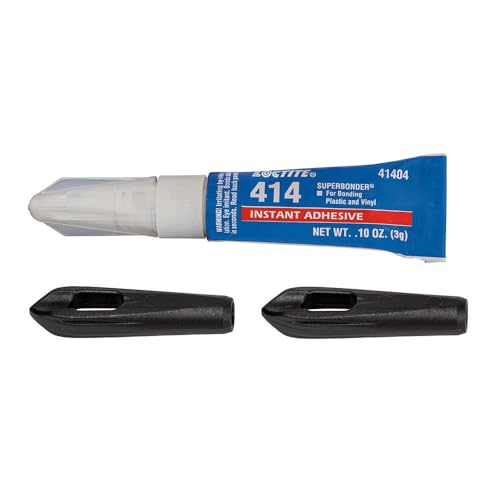
Klein Tools 56025 Non-Conductive Fish Tape Repair Kit, Made in USA
REPAIR KIT FOR: Non-conductive fish tape repair
As an affiliate, we earn on qualifying purchases.
As an affiliate, we earn on qualifying purchases.