
Thermal mass still matters in modern greenhouses because it helps you maintain stable temperatures, reducing your reliance on energy-intensive heating and cooling. It works by absorbing heat during the day and releasing it at night, creating a more consistent environment for your plants. Using materials like water, concrete, or rocks, you can optimize your greenhouse’s climate control. Keep exploring to discover how proper placement and design can maximize these benefits and keep your greenhouse efficient year-round.

Get home appliances delivered free with Prime
- Fast, free delivery on millions of items
- Prime Video, Amazon Music and more included
- Member-only deals all year
Key Takeaways
- Thermal mass stabilizes indoor temperatures, reducing reliance on energy-intensive heating and cooling systems.
- It buffers temperature fluctuations caused by day-night cycles, promoting optimal plant growth conditions.
- Incorporating thermal mass enhances energy efficiency and sustainability in greenhouse operations.
- Proper placement of thermal mass maximizes its ability to absorb and release heat seasonally.
- Using sustainable materials for thermal mass supports environmentally friendly and cost-effective greenhouse design.
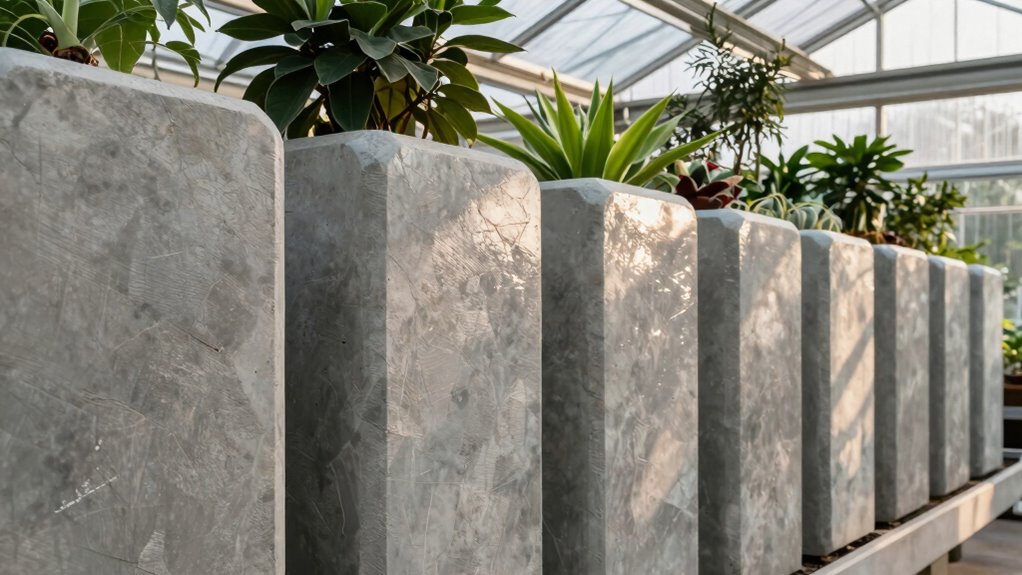
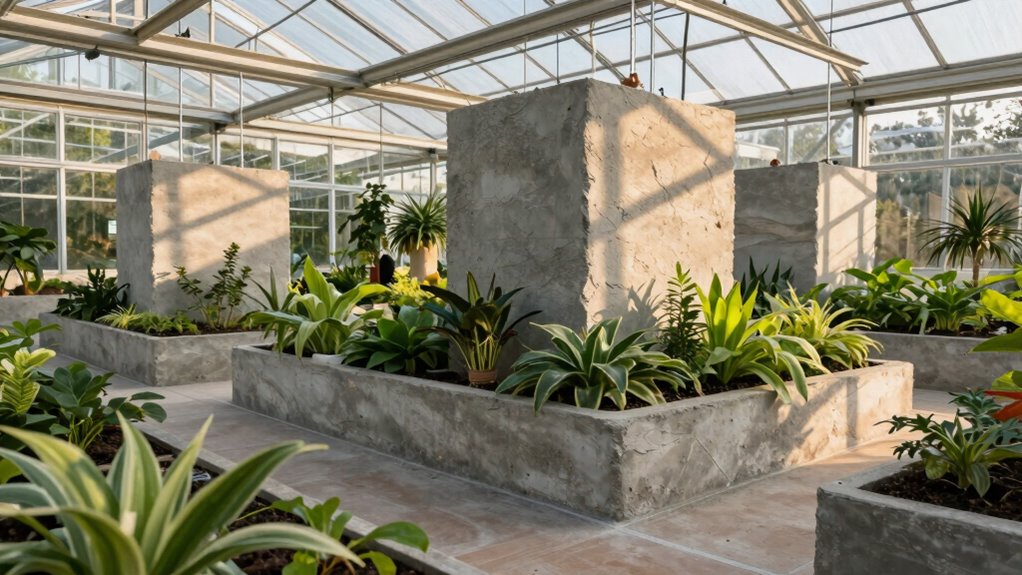
Thermal mass plays an essential role in maintaining a stable environment inside your greenhouse by absorbing, storing, and releasing heat. This process helps create a more consistent climate, reducing temperature fluctuations that can stress plants and hinder growth. When considering thermal mass, your choice of thermal mass materials is critical. Common options include concrete, water, bricks, or rocks, each with unique properties that influence how effectively they regulate temperature. You might choose water tanks because of their high specific heat capacity, meaning they can absorb a lot of heat during the day and release it slowly overnight. Alternatively, concrete or stone surfaces can store heat and help buffer temperature swings. The key is selecting materials that suit your specific climate and greenhouse design, ensuring they effectively contribute to seasonal temperature regulation.
In warmer months, thermal mass works to prevent overheating by absorbing excess heat during the day, which it then gradually releases when the sun sets. This process keeps the internal temperature more consistent, protecting your plants from sudden spikes that could cause stress or damage. During colder seasons, thermal mass materials act as a heat reservoir, storing warmth from the sun’s rays during the day and releasing it at night. This helps extend the growing season and minimizes the need for supplemental heating, making your greenhouse more energy-efficient. As a result, you can better manage seasonal temperature regulation without relying heavily on external heating or cooling systems. Thermal mass properties play a crucial role in how effectively these materials can balance temperature fluctuations. Incorporating sustainable materials into your thermal mass choices can further enhance your greenhouse’s environmental friendliness.
Understanding the thermal mass capacity of different materials allows you to optimize placement and maximize their effectiveness in your specific climate. Placing water barrels or concrete slabs in strategic locations can greatly improve temperature stability. During winter, the stored heat helps prevent drastic drops in temperature, while in summer, it helps avoid overheating. You might also consider integrating thermal mass into your greenhouse design by positioning it where it can receive maximum sunlight during the day. This way, the materials absorb solar energy and release it when needed most, ensuring your plants stay comfortable year-round. Additionally, selecting appropriate materials that are environmentally sustainable can contribute to a greener, more energy-efficient greenhouse.
thermal mass water tanks for greenhouse
As an affiliate, we earn on qualifying purchases.
As an affiliate, we earn on qualifying purchases.
Frequently Asked Questions
How Does Thermal Mass Compare to Other Heating Methods?
Thermal mass offers a passive, cost-effective way to maintain temperature, making it stand out against other heating methods. It enhances thermal efficiency by absorbing heat during the day and releasing it at night, reducing energy costs. Unlike active systems like heaters, thermal mass requires less ongoing maintenance and upfront investment. Overall, it’s a smart choice for sustainable greenhouses, balancing initial costs with long-term energy savings.
What Materials Are Best for Thermal Mass in Greenhouses?
You should choose materials like concrete, brick, or water for thermal mass in greenhouses because they offer excellent durability and can withstand temperature fluctuations. These materials also blend well aesthetically, ensuring seamless integration with your greenhouse design. Concrete and brick are especially sturdy, while water provides high heat capacity. Select based on your structural needs and desired look, knowing these options will effectively regulate temperature and enhance your greenhouse’s efficiency.
Can Thermal Mass Reduce Overall Greenhouse Energy Costs?
Yes, thermal mass can reduce your overall greenhouse energy costs by storing heat during the day and releasing it at night. This natural temperature regulation minimizes the need for supplemental heating, leading to significant energy savings. By incorporating materials with high thermal mass, you can maintain a stable environment, lower your energy bills, and create a more sustainable growing space. It’s a smart, cost-effective way to optimize your greenhouse’s efficiency.
How Does Climate Affect the Effectiveness of Thermal Mass?
Climate variability and seasonal impacts can dramatically influence how effective thermal mass is in your greenhouse. In extreme weather, thermal mass might feel like a tiny drop in an ocean, but it still plays an essential role. Cold winters or hot summers test your greenhouse’s resilience, making thermal mass’s ability to stabilize temperature even more critical. Adjusting your thermal mass strategies to seasonal shifts guarantees consistent plant growth, no matter the climate chaos outside.
Are There Any Maintenance Concerns With Thermal Mass?
You should know that thermal mass requires minimal maintenance, but regular routines help guarantee its effectiveness. Check for cracks or damage in materials like concrete or water containers, as durability varies. Clean surfaces to prevent dust buildup that can reduce thermal efficiency. By inspecting and maintaining your thermal mass routinely, you ensure it continues to absorb and release heat effectively, supporting a healthier greenhouse environment with minimal effort.
Conclusion
So, next time you think about ditching thermal mass in your greenhouse, remember it’s the old reliable that keeps your plants cozy while you chase the latest tech trend. Sure, fancy gadgets are tempting, but thermal mass quietly works behind the scenes, saving energy and your plants’ lives. Don’t be that person who forgets the classics—because in the world of greenhouses, sometimes old school beats shiny new every time. Keep thermal mass front and center!
NFL season / tailgating Picks
team gear
As an affiliate, we earn on qualifying purchases.