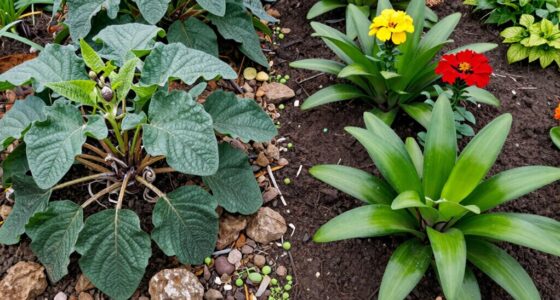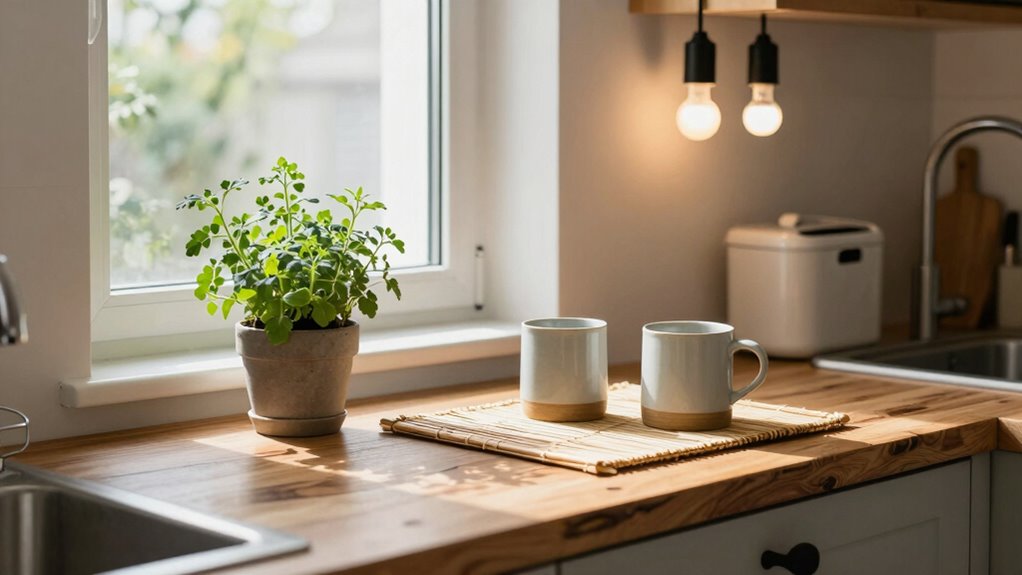

Building sustainability into your home means making daily choices that save energy and water. Use energy-efficient appliances and LED lighting to cut electricity use without sacrificing performance. Install low-flow showerheads and fix leaks to conserve water, and collect rainwater for outdoor needs. Small changes like these not only lower utility bills but also help protect the environment and support local ecosystems. Keep exploring to discover more simple ways to make your home greener.

Get home appliances delivered free with Prime
- Fast, free delivery on millions of items
- Prime Video, Amazon Music and more included
- Member-only deals all year
Key Takeaways
- Incorporating energy-efficient appliances and LED lighting reduces power consumption daily.
- Installing water-saving fixtures and collecting rainwater conserves water resources.
- Using drought-resistant plants and sustainable landscaping supports local ecosystems.
- Making small behavioral changes, like fixing leaks and avoiding unnecessary taps, promotes sustainability.
- Building eco-friendly habits into household routines enhances overall environmental responsibility.
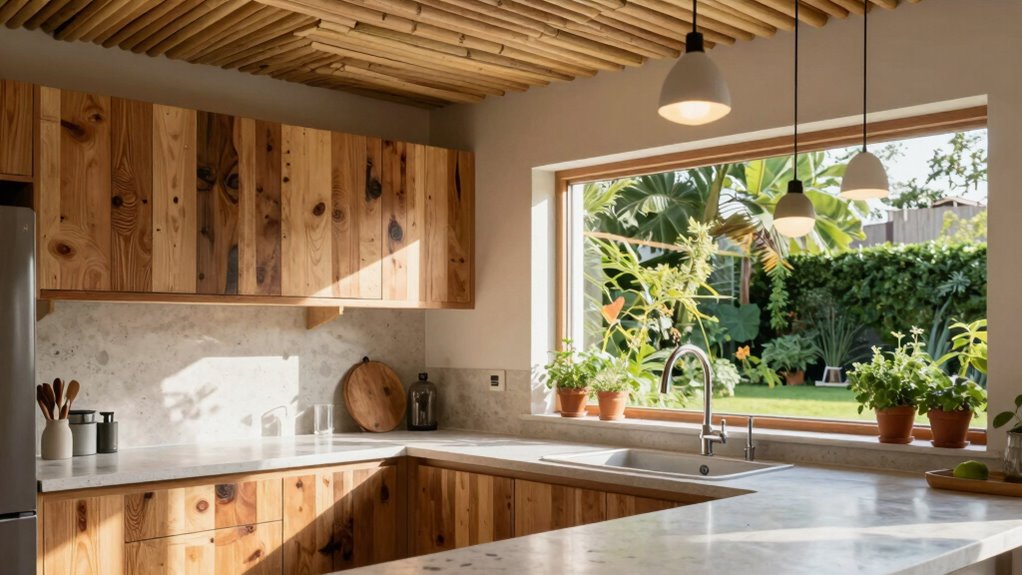
Have you ever wondered how small changes in your daily routine can considerably reduce your environmental impact? Incorporating sustainability into your home isn’t about making drastic shifts; it’s about smart choices that add up over time. One effective way is by choosing energy-efficient appliances. These appliances use less electricity than standard models, helping you lower your energy bills and reduce your carbon footprint. When you opt for refrigerators, washing machines, and dishwashers with high energy star ratings, you guarantee that your home consumes less power without sacrificing performance. It’s a simple switch that makes a significant difference, especially over the lifespan of these devices. Additionally, using LED lighting instead of traditional bulbs complements this approach, further decreasing energy consumption.
Alongside energy-efficient appliances, water conservation techniques play a pivotal role in everyday sustainability. Conserving water helps preserve this essential resource and reduces the energy needed to pump, heat, and treat water. You can start by installing low-flow showerheads and faucet aerators, which cut water usage without sacrificing comfort. When washing dishes or cleaning, try to use only the water you need—avoid letting the tap run unnecessarily. Fixing leaks promptly is another simple yet impactful step, as even a small drip can waste gallons of water each day. Collecting rainwater for outdoor use, like watering plants or washing your car, is another effective water conservation method that minimizes reliance on municipal water systems. Additionally, choosing drought-resistant plants for your yard reduces the need for frequent watering, conserving both water and energy. Incorporating energy-efficient appliances into your routine not only benefits your household but also reduces overall demand on the power grid. Recognizing the importance of biodiversity in your local environment can motivate further sustainable landscaping choices that support local ecosystems. Understanding the role of water chemistry in maintaining healthy household water quality can help prevent the need for energy-intensive water treatment processes. Being mindful of household water use can also lead to discovering new ways to reduce waste and improve efficiency. Developing awareness of water quality can guide you toward practices that protect both your health and the environment.
Integrating these practices into your daily routine requires mindfulness, but the benefits extend far beyond your home. Using energy-efficient appliances means less electricity demand, which can lessen reliance on fossil fuels and decrease air pollution. Water conservation techniques not only save you money on utility bills but also help protect local water supplies and ecosystems. Small adjustments, like being aware of your water and energy use, create a ripple effect that encourages more sustainable habits. Over time, these choices become second nature, making your home more eco-friendly while contributing to a healthier planet. The key is to recognize that sustainability isn’t a one-time effort but an ongoing commitment—one that begins with simple, everyday decisions that add up to a meaningful impact.
Frequently Asked Questions
How Can I Make My Existing Home More Sustainable?
To make your existing home more sustainable, start by upgrading to green insulation, which improves energy efficiency and reduces heating and cooling costs. Consider integrating solar panels to generate clean energy and lower your carbon footprint. sealing leaks around windows and doors, installing energy-efficient appliances, and using eco-friendly materials also help. These steps will make your home more eco-friendly, saving you money while supporting a healthier environment.
What Are the Costs Associated With Sustainable Home Upgrades?
The costs of sustainable upgrades can vary, but investing in renewable energy systems and water conservation measures can pay off over time. You might face higher upfront expenses for solar panels or efficient fixtures, yet these investments often lead to significant savings on energy and water bills. The real question is, how soon will you see the return? Embracing sustainability transforms your home into a smarter, more resilient space.
How Do I Choose Eco-Friendly Materials for My Home?
You should choose eco-friendly materials by researching options like eco-friendly paints that reduce emissions and are low in VOCs. Look for recycled insulation made from recycled materials to improve energy efficiency. Always check labels for certifications like Green Seal or LEED, which guarantee sustainability standards. Prioritize local suppliers to reduce transportation impact, and consider consulting a sustainable building expert to make informed choices aligned with your eco-friendly goals.
What Government Incentives Are Available for Sustainable Home Improvements?
Sure, if you’re hoping to snag government incentives, you’re in luck. They often offer rebates or tax credits for installing renewable energy systems and water conservation upgrades. These incentives aim to make your eco-friendly dreams more affordable—because who wouldn’t want to save money while saving the planet? Just remember, while they’re generous, they don’t cover everything, so read the fine print and act fast before the offers disappear!
How Does Sustainable Home Design Affect Property Value?
Sustainable home design, like green roofing and solar integration, can boost your property value by making your home more attractive to eco-conscious buyers. These features lower energy costs and enhance curb appeal, which can lead to faster sales and higher offers. Incorporating green roofing helps with insulation, while solar panels reduce utility bills. Overall, investing in sustainability not only benefits the environment but also increases your home’s market worth.
Conclusion
By weaving sustainability into your daily routines, you become the architect of a greener future—one small act at a time. Imagine your home as a garden, each mindful choice planting seeds of change that grow into a healthier planet. When you embrace these habits, you’re not just living sustainably; you’re shaping a legacy worth inheriting. So, why not start today? Because, after all, every act of kindness to the Earth is a gift to yourself.
Fall yard work Picks
leaf blowers
As an affiliate, we earn on qualifying purchases.