TL;DR

Get home appliances delivered free with Prime
- Fast, free delivery on millions of items
- Prime Video, Amazon Music and more included
- Member-only deals all year
Portable space heaters warm a room or small area without heating your whole home, but comfort and cost depend on the heater type, room conditions, and hours of use. A typical 1,500-watt electric heater uses 1.5 kilowatt-hours per hour; keep it at least 3 feet from combustible items and plug it directly into a wall outlet. [1]
A small heater can make a chilly home office feel like a different room. It can also add up to a surprising electricity bill if you run it all day. Portable space heaters warm a room or a small area without heating the whole home, which makes them useful for spot heating—but their comfort, cost, and safety depend on how you use them. [1]
This guide explains the main heater types, shows you how to estimate running costs, and covers the safety habits that matter around bedding, pets, and power outlets. You’ll also see when a portable heater makes sense and when a different heating approach may suit your home better.
A 1,500-watt heater uses 1.5 kWh per hour at full power; multiply that by your electricity rate to estimate cost. [1]
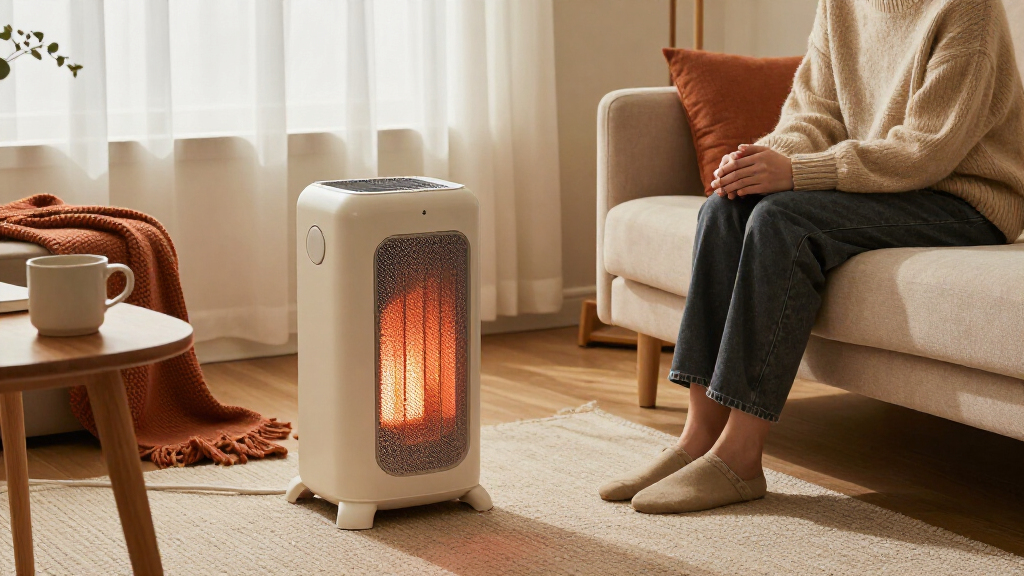
Fan, infrared, and oil-filled heaters deliver warmth differently, so choose based on your room and routine.
Keep the heater at least 3 feet from combustible materials, plug it directly into a wall outlet, and follow its manual. [1]
Use a portable heater to warm an occupied room or small area; several hours of use can add to your bill.
Turn the heater off when you leave or sleep unless its instructions and local guidance specifically allow that use. [1]
How to choose the right heater for your room
A portable space heater works best when its type matches the way you use the room: fan heaters warm air quickly, infrared heaters warm people and objects nearby, and oil-filled radiators release steadier heat over time. Your room’s drafts, insulation, and ceiling height also shape how warm it feels. [1]
If you start work in a cold, closed home office and want quick warmth at your desk, a ceramic fan heater may feel comfortable sooner. If you sit still in one spot, an infrared heater can warm you directly without first warming all the room air. For a bedroom you use for a longer stretch, an oil-filled radiator may provide a gentler, steady warmth after it has heated up.
Try matching the heater to your routine with these practical questions:
- How quickly do you need warmth? Fan heaters respond quickly; oil-filled models take longer.
- Are you heating yourself or the whole room? Radiant heat suits a person or a small occupied area.
- Will fan noise bother you? Oil-filled radiators do not rely on a fan to distribute heat.
- What does the manual say about room size and clearance? Coverage estimates are guides, and the manufacturer’s safety instructions matter.
For example, a drafty room with high ceilings may take more work to warm than a compact, insulated room of the same floor area. A heater that feels effective beside your chair may not make the far side of that room equally comfortable.
Products Worth Considering

Bose SoundLink Plus Portable Bluetooth Speaker, Black
Shark Navigator Swivel Pro Upright Vacuum NV151

Blueair Blue Pure 511i Max Smart Air Purifier
As an affiliate, we earn on qualifying purchases.
What each heater type feels like in everyday use
Portable space heaters feel different because they deliver heat in different ways: electric resistance heaters warm an element, infrared models warm objects and people in their path, and fuel-burning units rely on combustion. The right choice depends on whether you want quick moving air, direct warmth, or steady background heat. [1]
Electric resistance heaters include common ceramic and coil models. Some use a fan to push warm air across the room, which can feel like a welcome warm breeze after you come in from the cold. Oil-filled electric radiators heat oil sealed inside the unit; they warm slowly, then keep releasing heat for a while after you switch them off. The oil is sealed and is not meant to be replaced.
Infrared or radiant heaters are a bit like sitting in a patch of winter sun: they warm people and surfaces in their path instead of heating all the air first. That can feel pleasant at a desk, though a person outside the heater’s path may feel less benefit. Fuel-burning models, such as propane or kerosene heaters, require extra care because improper use can create carbon monoxide risks.
| Type | How it warms you | Common fit |
|---|---|---|
| Fan or ceramic | Moves heated air | Quick warmth in a small room |
| Oil-filled radiator | Releases heat from warmed sealed oil | Steadier warmth over a longer period |
| Infrared or radiant | Warms people and objects in its path | Direct warmth in an occupied spot |
| Fuel-burning | Produces heat through combustion | Only indoor-approved models, used exactly as directed |
A shopper choosing between a noisy fan heater and a quiet radiator may value comfort more than the technology label. Compare the sound, controls, placement, and instructions alongside the heater type.
Calculate what a portable heater costs to run
A typical electric portable space heater draws about 1,500 watts on its highest setting, which uses 1.5 kilowatt-hours (kWh) in one hour. To estimate your cost, multiply the heater’s kilowatts by its operating hours and your electricity price per kWh. [1]
For example, at an electricity rate of $0.20 per kWh, one hour at full power costs about $0.30: 1.5 kWh × $0.20. If you run that heater for five hours, the estimate becomes $1.50 for the day. Use the rate on your utility bill, because local prices vary.
Electric resistance heaters turn nearly all the electricity they consume into heat where you use them. A pricier ceramic, coil, or oil-filled model does not automatically produce more heat from the same electricity. A thermostat, timer, or lower setting can still cut total consumption by reducing how long the heater runs.
That distinction matters when you compare a heater with your usual whole-home heating. You may save money if you warm the home office where you spend the morning and keep the rest of the house cooler. If you leave the central heat unchanged and add a heater that runs for hours, you may simply add to your bill. Write down wattage, hours, and your electricity rate before deciding whether a daily routine pencils out.
Set up a heater safely around beds, curtains, and pets
Keep an electric portable space heater on a stable, level surface and at least 3 feet (about 1 metre) from bedding, curtains, furniture, clothing, and other combustible materials. Plug it directly into a wall outlet, keep it away from water, and follow the manual’s clearance rules if they require more space. [1]
Before switching it on, scan the area around it. A curtain hem drifting toward a glowing heater, a sweater slung over a chair, or a dog’s wagging tail can turn ordinary clutter into a hazard. Keep children and pets from touching or knocking the unit over, and check the cord and plug for damage regularly.
Look for recognized safety certification, tip-over shutoff, and overheat protection. Those features can help, but they do not replace careful placement or the instructions for your exact model. A cool-touch exterior may reduce burn risk; it does not make the heater safe to handle carelessly.
Switch the heater off when you leave the room or go to sleep, unless the manufacturer specifically says the model is designed for that use and local safety guidance allows it. Never use an outdoor-only fuel-burning heater indoors.
Fuel-burning models need particular attention to ventilation and carbon monoxide precautions. Use indoors only if the specific unit is approved for indoor use, follow its instructions, and keep required carbon monoxide alarms working. Safety labels and rules differ by country, so check local guidance as well as the manual.
Use a simple routine to get comfortable without wasting heat
You can use a portable space heater more deliberately by choosing one occupied area, setting it up safely, and limiting its run time. That approach makes spot heating easier to manage than leaving a heater running throughout an empty home. [1]
- Choose the area. Pick the room or work spot where you will spend time, such as the desk where you take morning calls.
- Check the heater and its placement. Read the manual, inspect the cord, set the heater on a level surface, and maintain at least 3 feet of clearance from combustible materials—or more if the instructions say so.
- Plug it straight into a wall outlet. Do not use an extension cord or power strip. Keep the heater and your hands away from water.
- Set a temperature or timer if available. A timer or thermostat can stop unnecessary run time when you leave your desk or the room becomes warm enough.
- Switch it off when you leave or sleep. Follow the manufacturer’s directions and local safety guidance.
Imagine using a heater in a chilly home office: you turn it on while you settle in, use a timer during your work block, then switch it off when you move to another part of the house. You can check the room’s feel and adjust your routine over several days instead of guessing how long it needs to run.
Smart controls and schedules can make that routine easier. They do not change how much heat an electric resistance heater makes per unit of electricity; they can help you avoid running it when nobody needs the warmth.
Know when a space heater makes sense—and when it does not
A portable space heater is most useful when you need temporary warmth in one occupied room or a small area without heating the whole home. It is not a substitute for a properly sized whole-home heating system, and it may cost more if you run it for long periods alongside unchanged central heating. [1]
Say you work in one spare room for three hours each afternoon while the rest of your home stays cooler. Spot heating could fit that routine better than warming every room to the same temperature. But if you need warmth in several rooms all day, a single portable unit may not cover the space comfortably, and using several heaters can increase your electricity use.
Heat pumps are another option to compare. They move heat rather than generating it directly and can deliver more heat per unit of electricity under suitable conditions. Performance, installation cost, and suitability depend on climate, building, and equipment, so a heat pump is not an automatic fit for every household.
Recent portable heater features include app or voice controls, programmable schedules, improved thermostats, quieter fans, and extra safety shutoffs. These can improve convenience and help limit run time. When a product claims to be energy-saving or highly efficient, look at the mechanism: for an electric resistance heater, better scheduling can reduce total use, but a marketing claim does not change the basic amount of heat produced from the electricity it consumes.
For a single chilly desk or an area without heating, a portable model can offer a practical short-term fix. If you are trying to heat an entire home, compare other heating options and consider the building’s insulation, drafts, and system needs.
Frequently Asked Questions
How much does a portable space heater cost to run?
Check the heater’s wattage, the hours you use it, and your electricity rate. A 1,500-watt heater running for one hour uses 1.5 kWh; at $0.20 per kWh, that hour costs about $0.30. [1]
Can I plug a space heater into an extension cord or power strip?
Plug an electric space heater directly into a wall outlet. Safety guidance and manufacturers commonly advise against extension cords and power strips because they can overheat. [1]
Is it safe to leave a space heater on overnight?
The safest general practice is to switch a portable heater off before you go to sleep. Follow the model’s instructions and local safety guidance, and keep the unit well clear of bedding and other combustible materials. [1]
Which is better: ceramic, infrared, or oil-filled?
It depends on how you want to feel the warmth. Fan heaters warm air quickly, infrared heaters warm people and objects in their path, and oil-filled radiators take longer to warm but release steadier heat. [1]
Do space heaters save money compared with central heating?
They can reduce costs when you heat one occupied area while keeping the rest of the home cooler. They can add to your bill if you run them for long periods or leave central heating unchanged. [1]
Are fuel-burning heaters safe to use indoors?
Use a fuel-burning heater indoors only if that specific model is approved for indoor use, and follow its instructions for ventilation and carbon monoxide precautions. Never use outdoor-only equipment indoors. [1]
Conclusion
Choose a portable heater for the space and routine you actually have, then check its wattage, instructions, and safety features before you use it. Keep it clear of anything that can burn, plug it directly into the wall, and switch it off when the room is empty.
A heater should make your corner of winter feel warmer—not turn an unnoticed habit into a cold surprise on your bill.