TL;DR

Get home appliances delivered free with Prime
- Fast, free delivery on millions of items
- Prime Video, Amazon Music and more included
- Member-only deals all year
Designers are bringing the music-first atmosphere of Japan’s jazz kissa cafés into residential interiors through listening rooms designed for focused, screen-free listening. The spaces can be a dedicated room or a corner of a living area, with comfortable seating, considered audio placement, soft materials and warm lighting. The source describes a design trend but provides no adoption figures or evidence that it is growing across the housing market.
Designers are bringing music-focused listening rooms into homes, adapting the unhurried atmosphere of Japan’s jazz kissa cafés for spaces where residents can sit and listen without screen distractions. A House Beautiful report describes the idea appearing on designer moodboards and in residential projects, though it does not provide data measuring how widely the trend has spread.
A listening room is arranged around attentive music listening, rather than television viewing or background sound. Designers describe the aim as creating a place to pause, with the seating and sound system oriented toward listening. The design can look more like a comfortable living room than a nightclub, with lounge seating and materials chosen for both their feel and their effect on sound.
The concept draws inspiration from Japan’s jazz kissa cafés, where people historically gathered to listen to vinyl. House Beautiful reports that music-first nightlife venues have also helped shape the idea, emphasizing sound quality, atmosphere and music selection alongside comfortable seating.
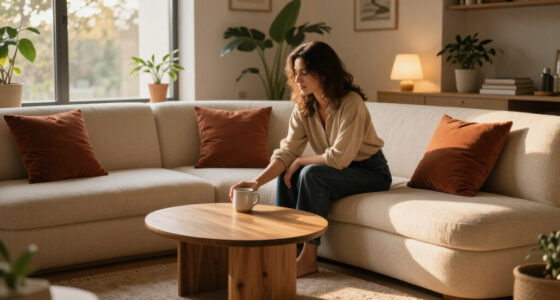
Designers quoted in the report recommend starting with comfortable furniture and well-positioned audio equipment. Rugs, upholstered furniture, wool, velvet, wood and cork can add texture and soften a room, while warm, indirect lighting can create a calmer setting. A dedicated room is not required: a carefully arranged corner in a living room or den can serve the same purpose.
A Screen-Free Space for Listening
The idea offers homeowners a way to make music an intentional activity rather than another layer of background noise. Designer Adam Goldstein of Studio Collective links vinyl’s popularity at home and in nightlife to lives increasingly controlled by devices. He says listening to an album from beginning to end can offer a respite from endless playlists and on-demand choice.
For readers considering a home update, the concept is adaptable: its central feature is a place arranged for comfort and focused listening, not a particular room size or expensive interior scheme. It also differs from a conventional media room by putting audio, atmosphere and attention ahead of a television-centered setup. The report offers design guidance, not evidence that a listening room improves wellbeing or adds value to a home.
As an affiliate, we earn on qualifying purchases.
From Jazz Cafés to Homes
House Beautiful traces the inspiration to jazz kissa cafés in Japan, spaces associated with gathering to hear vinyl. The report says a similar music-first approach has surfaced in some nightlife venues, where comfortable seating and sound quality receive attention alongside drinks and atmosphere.
Designers say that sensibility is now informing residential work. Sebastian Salvadó of RIOS describes listening rooms as sensory spaces, while Joelle Kutner and Jesse Rudolph of Ome Dezin characterize them as places to sit quietly and let the music take focus. Some designers are also exploring “listening gardens”, pairing audio with landscaping outdoors. The source does not establish when the residential trend began or how many projects include it.
““In an age where every song ever recorded is at our fingertips and we can choose from a never-ending selection of playlists, the idea of listening to an album all the way through, the way the artist actually intended for us to hear it, is a welcome respite.””
— Adam Goldstein, designer at Studio Collective
How Widely the Trend Has Spread
The report provides no survey, sales figures or project counts to show how quickly listening rooms are gaining popularity, or whether they are becoming common beyond the designers interviewed. “On the rise” is the report’s characterization, not a quantified market finding.
It is also unclear how much specialized audio equipment is needed for a satisfying setup: the report gives general guidance on investment and placement, but no equipment specifications, budgets or acoustic measurements. The claimed benefits are presented as design perspectives and intended experiences, not as results from a study.
How Homeowners Can Start Small
The report points to a practical first step: choose a comfortable listening spot, arrange the speakers and seating with the listening position in mind, and build the atmosphere with soft materials and warm lighting. Designers suggest keeping the arrangement simple and comfortable, rather than crowding it with decorative objects. A living-room corner or den can work without a renovation or dedicated room.
No formal next milestone, market forecast or follow-up data is provided. Whether the trend becomes more widespread will depend on future residential projects and reporting; for now, the source documents designers’ interest and advice rather than a measured shift across the industry.
Key Questions
What is a listening room?
It is a space arranged for focused music listening, with seating and audio equipment positioned to make listening the main activity rather than television viewing or background sound.
Do I need a dedicated room?
No. The report says a living-room or den corner can work if seating and equipment are arranged intentionally.
What design features do designers recommend?
Designers recommend comfortable seating, carefully placed audio equipment, soft materials such as rugs and upholstery, and warm, indirect lighting.
Is there proof that listening rooms are becoming more popular?
The report describes the concept as appearing on designer moodboards and in residential projects, but gives no market data or adoption figures that measure its growth.
Source: rss
Columbus Day / Indigenous Peoples' Day Picks
long weekend sales
As an affiliate, we earn on qualifying purchases.