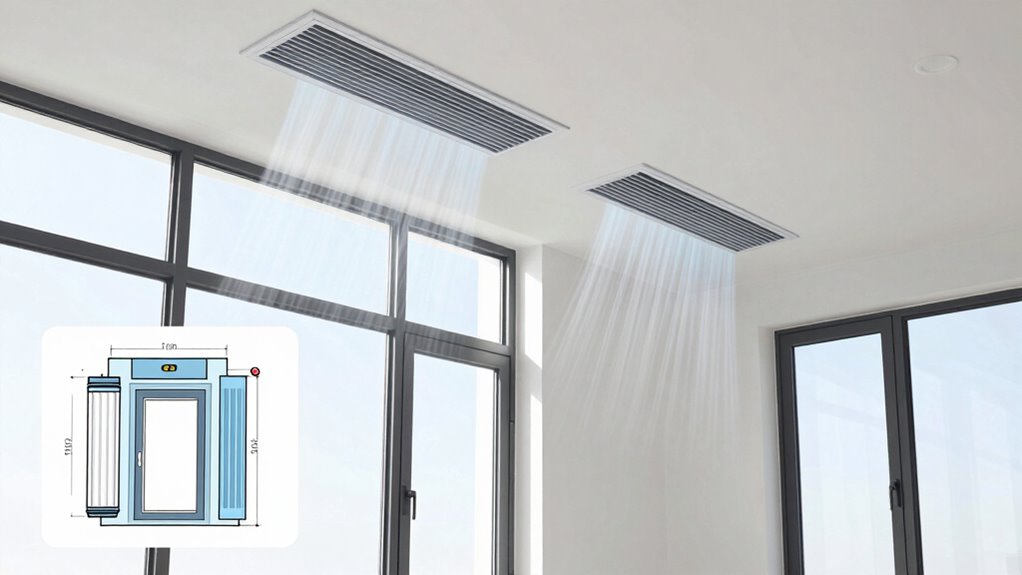

Ventilation, filtration, and airtightness work together to improve indoor air quality and energy efficiency. You bring in fresh air through ventilation, which removes pollutants and moisture. Filtration then captures airborne particles like dust, pollen, and bacteria, keeping the air clean. Airtightness seals your home, controlling airflow and preventing unwanted leaks. When combined, these elements create a healthier, more comfortable space while saving energy—if you want to know how they perfectly integrate, keep exploring the details.

Get home appliances delivered free with Prime
- Fast, free delivery on millions of items
- Prime Video, Amazon Music and more included
- Member-only deals all year
Key Takeaways
- Proper ventilation exchanges indoor air with fresh outdoor air, removing pollutants and maintaining air quality.
- Filtration captures airborne contaminants, allergens, and pollutants, enhancing overall air cleanliness.
- Airtightness minimizes uncontrolled air leaks, improving energy efficiency and control over indoor air quality.
- These elements work together to ensure healthy, fresh indoor air while reducing energy waste.
- Integrated systems optimize indoor comfort, health, and energy savings through controlled airflow and filtration.
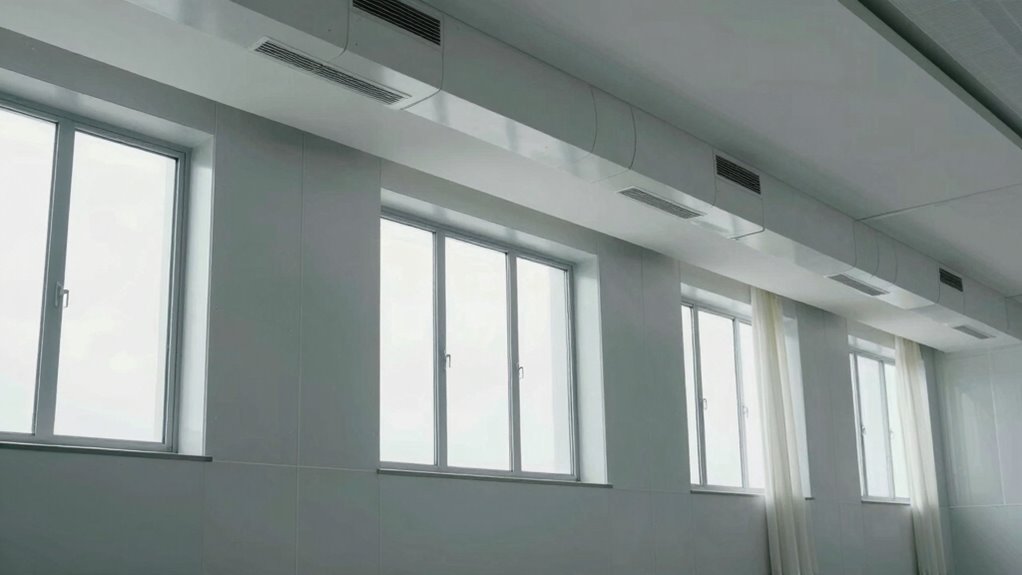
Ventilation is the process of exchanging indoor air with fresh outdoor air. It helps remove pollutants, excess humidity, and odors that accumulate inside your home. Proper ventilation ensures that you’re not cycling stale, contaminated air, which can lead to health issues like allergies or respiratory problems. It’s essential to balance ventilation so you’re bringing in enough fresh air without losing too much heat or cooling. When done correctly, ventilation enhances indoor air quality and supports energy efficiency because it reduces the load on your heating and cooling systems. Instead of constantly working to condition air that’s become stale, your HVAC system can operate more efficiently, saving you money on energy bills. Additionally, implementing controlled ventilation methods, such as heat recovery ventilators, can further optimize this balance.
Proper ventilation replaces stale air, improves health, and boosts energy efficiency by reducing HVAC load and maintaining fresh indoor air.
Filtration complements ventilation by trapping airborne particles, allergens, and pollutants. High-quality filters in your HVAC system or standalone air purifiers capture dust, pollen, pet dander, and even some bacteria or viruses. This filtration process greatly improves indoor air quality, especially if you or your family members have allergies or respiratory sensitivities. When combined with good ventilation, filtration ensures that the air circulating inside your home remains clean and safe. It also reduces the burden on your heating and cooling systems, making them run more efficiently because they don’t have to work as hard to manage pollutants or particles. Proper filtration systems are essential for maintaining a healthy indoor environment. Furthermore, choosing the right air quality management strategies can optimize the overall indoor environment and health benefits.
Airtightness is about sealing your home to prevent uncontrolled air leaks. An airtight building minimizes the exchange of indoor and outdoor air that happens unintentionally through gaps, cracks, and poorly sealed windows or doors. When your home is airtight, you have better control over indoor air quality because you can manage airflow through intentional ventilation systems. Plus, airtightness greatly boosts energy efficiency. It prevents heat loss in winter and keeps your home cooler in summer, reducing the workload on your heating and cooling systems. With less energy wasted on conditioning air that leaks in or out, you save money and lessen your environmental impact. Proper building sealing techniques are crucial for achieving effective airtightness. Incorporating airtightness measures can also help mitigate issues related to moisture and mold growth, further enhancing indoor health. A well-sealed home can also improve the effectiveness of ventilation systems by ensuring controlled and efficient airflow.
As an affiliate, we earn on qualifying purchases.
Frequently Asked Questions
How Do Ventilation and Filtration Impact Energy Efficiency?
Ventilation and filtration improve energy efficiency by optimizing air exchange and reducing indoor pollutants. When you use efficient filtration, it maintains air quality without overworking your HVAC system. Proper ventilation guarantees fresh air enters with minimal energy loss, while high filtration efficiency captures contaminants, decreasing the need for frequent heating or cooling. This balance helps lower energy consumption and keeps your indoor environment healthier and more sustainable.
What Are the Best Practices for Maintaining Airtight Homes?
To maintain airtight homes, you should focus on proper air tight sealing around windows, doors, and vents to prevent drafts and leaks. Regularly inspect and repair any gaps or cracks, and guarantee moisture control by managing humidity levels. Use quality sealants and weatherstripping, and consider installing an airtight barrier or vapor retarder. These practices help keep your home energy-efficient, reduce moisture issues, and improve indoor comfort.
Can Improved Airtightness Reduce Heating and Cooling Costs?
Did you know that improving airtightness can cut heating and cooling costs by up to 20%? Airtightness benefits include reducing energy loss, which means your HVAC system doesn’t have to work as hard. When you enhance your home’s airtightness, you effectively minimize drafts and leaks, leading to significant cost reduction. This makes your home more energy-efficient, saving you money and creating a more comfortable indoor environment year-round.
How Do Ventilation Systems Affect Indoor Humidity Levels?
Ventilation systems help you control indoor humidity levels by exchanging moist indoor air with drier outside air, aiding humidity control. They maintain a moisture balance, preventing excess dampness that can cause mold or discomfort. Proper ventilation guarantees your indoor environment stays comfortable and healthy, especially in humid climates or during seasonal changes. By regulating airflow, you keep humidity levels consistent, reducing the risk of moisture-related issues and improving overall indoor air quality.
What Are Common Misconceptions About Indoor Air Quality?
You might think indoor air quality is only affected by outdoor pollution, but indoor pollutant sources like cleaning products or mold also play a big role. Many believe increasing air exchange rates always improves air quality, but without proper filtration, pollutants can still linger. A common misconception is that airtight homes trap pollutants inside; in reality, well-designed ventilation helps remove indoor pollutants effectively, balancing airtightness and fresh air intake.
Conclusion
By understanding how ventilation, filtration, and airtightness work together, you can create a healthier indoor environment. Did you know that poor ventilation can cause indoor air pollution levels to be up to five times higher than outdoor levels? By improving these systems, you reduce pollutants and enhance your air quality. So, take control of your indoor air, invest in proper ventilation and filtration, and keep your space safe and comfortable for everyone inside.
Fall Picks
fall essentials
As an affiliate, we earn on qualifying purchases.