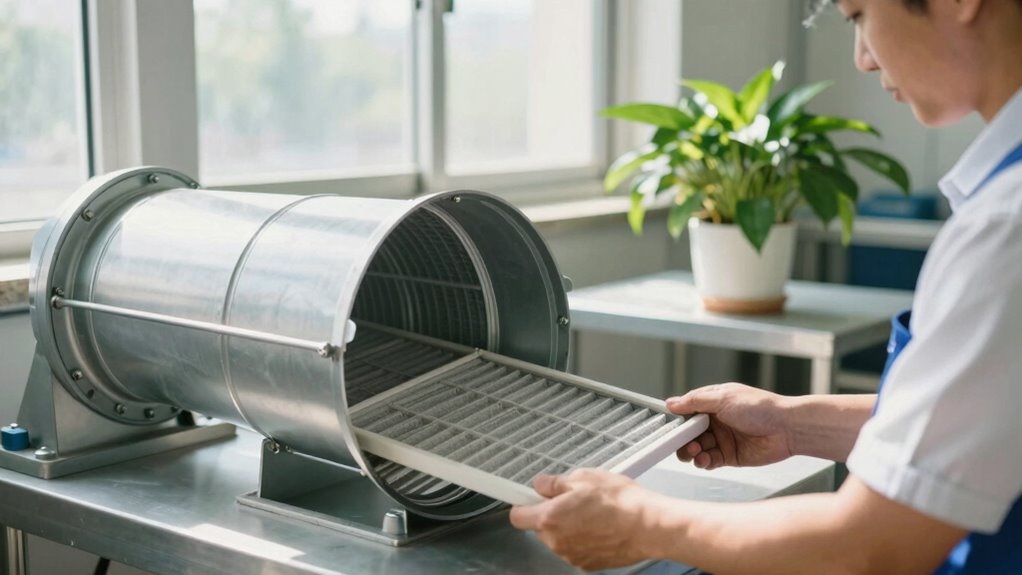

Better air quality begins with controlling pollution sources, not just relying on gadgets or air purifiers. When you reduce emissions from cooking, smoking, or cleaning products, you tackle the problem at its origin. This proactive approach means cleaner air and less dependency on constant filtering devices. Gadgets may help temporarily, but eliminating sources is more effective long-term. Keep exploring to discover how combining source control with ventilation can create a healthier, more comfortable indoor space.

Get home appliances delivered free — and shop member deals
- Fast, free delivery on millions of items
- Access to Prime Big Deal Days deals on October 6–7
- Prime Video, Amazon Music and more included
Key Takeaways
- Addressing pollution sources directly reduces indoor contaminants more effectively than relying solely on gadgets.
- Gadgets mainly mask or filter pollutants temporarily, without preventing their entry or generation.
- Source control minimizes the need for constant filtering, leading to cleaner air and healthier environments.
- Combining source control with proper ventilation creates a proactive approach to maintaining air quality.
- Focusing on sources offers long-term benefits, making gadgets less necessary for maintaining healthy indoor air.

Have you ever wondered how reducing pollution at its source can improve the air you breathe? It’s a question that cuts straight to the heart of healthier living. Instead of relying solely on gadgets or air purifiers, understanding and controlling indoor pollutant sources is the most effective way to guarantee cleaner air. Many people focus on filtering or cleaning the air after pollutants have entered, but this approach often addresses symptoms rather than causes. To truly improve indoor air quality, you need to target the root of the problem—what’s releasing pollutants in the first place.
Address indoor pollution at its source for healthier, cleaner air and a more comfortable living environment.
Indoor pollutant sources include a variety of common culprits. Cooking, smoking, cleaning, and even certain building materials release airborne contaminants that can compromise your health. For example, cooking fumes contain volatile organic compounds (VOCs) and particulate matter, while new furniture or paints off-gas chemicals that linger in your space. If these sources aren’t managed, no amount of air purifiers will fully eliminate their impact. That’s why source control should be your first line of defense.
Ventilation strategies play an essential role in this approach. Proper ventilation helps dilute and remove indoor pollutants before they accumulate to harmful levels. Using exhaust fans in kitchens and bathrooms, opening windows regularly, and ensuring your HVAC system is well-maintained allow fresh air to circulate and carry away pollutants. But it’s not just about increasing airflow; it’s about managing it intelligently. You want to bring in clean outdoor air and exhaust contaminated indoor air efficiently. Installing air exchange systems or heat recovery ventilators can optimize this process, especially in tight, energy-efficient buildings. Additionally, proper ventilation can help prevent the buildup of indoor pollutants and improve overall air quality. Incorporating ventilation strategies that are tailored to your home’s layout can significantly reduce indoor pollutant concentrations.
By focusing on indoor pollutant sources and employing effective ventilation strategies, you take control of your indoor environment. It’s a proactive approach that addresses the problem at its origin rather than simply masking it with gadgets. Many gadgets, like air purifiers, can help temporarily, but they don’t prevent pollutants from being generated or entering your home. When you reduce or eliminate indoor pollutant sources, you lessen the need for constant filtering, making your home healthier and more comfortable. Effective source control can significantly decrease indoor pollutant levels, allowing your other efforts to work more efficiently.
Ultimately, better air quality starts with understanding what’s causing pollution inside your space. By controlling indoor pollutant sources and implementing smart ventilation strategies, you create a healthier environment naturally. This approach not only improves your immediate air quality but also supports long-term well-being. So, next time you think about improving indoor air, consider the sources first—because the best protection comes from preventing pollution rather than just filtering it out afterward. Additionally, understanding indoor pollutant sources can help you take targeted steps to reduce emissions and improve overall air quality.
As an affiliate, we earn on qualifying purchases.
Frequently Asked Questions
How Quickly Can Source Control Improvements Impact Indoor Air Quality?
Source control improvements can impact indoor air quality almost immediately once implemented. By adjusting ventilation strategies and reducing pollutant sources, you’ll notice cleaner air quickly. Regular pollutant monitoring helps you track progress, ensuring changes are effective. Immediate results are possible because source control tackles the root causes directly, unlike gadgets that only mask symptoms. So, you can often see a difference within hours or days after making these strategic adjustments.
Are There Specific Sources of Indoor Pollution That Are Most Harmful?
The most harmful indoor pollution sources include tobacco smoke, mold, and volatile organic compounds from cleaning products. You can prioritize ventilation improvements and pollutant identification to reduce these hazards effectively. By upgrading ventilation systems and pinpointing specific pollutants, you actively improve air quality. This approach tackles the root causes directly, making your indoor environment healthier and safer, rather than relying solely on gadgets that only mask the problem.
Can Source Control Methods Be Effective in Existing Homes?
Did you know that studies show source control can reduce indoor pollutants by up to 50%? Yes, you can make a real difference in your home’s air quality. By improving ventilation and choosing low-emission materials, you effectively limit harmful pollutants. Even in existing homes, these methods are highly effective, helping you create a healthier environment without needing expensive gadgets. Start today with better ventilation and smarter material choices.
What Are Cost-Effective Source Control Strategies for Renters?
You can adopt cost-effective source control strategies by improving ventilation and managing moisture. Use exhaust fans in kitchens and bathrooms to reduce humidity and pollutants. Keep windows open when possible to increase airflow. Fix leaks promptly to prevent mold growth. These simple steps help control indoor pollutants at the source, improving air quality without expensive gadgets. Regular maintenance and awareness are key to maintaining a healthier living environment as a renter.
How Does Source Control Compare to Air Purifiers in Effectiveness?
Source control is generally more effective than air purifiers because it tackles pollutants at their source, reducing the need for constant air filtration. Proper ventilation systems help dilute indoor pollutants and improve airflow, enhancing overall air quality. While air purifiers can be useful, they often only filter existing pollutants. Combining source control with effective ventilation creates a healthier environment, making your efforts more impactful than relying solely on gadgets.
Conclusion
Remember, responsible source control reduces risks and restores radiance to your room’s air. By banning bad habits, banning harmful substances, and embracing better building practices, you take charge of your environment. Small steps, such as sealing leaks or choosing safer products, create a cleaner, healthier space. So, start smart, stay specific, and prioritize proactive prevention. Because when you control the source, you craft a cleaner, clearer, and more comfortable atmosphere—air that’s truly worth breathing.
Fall yard work Picks
leaf blowers
As an affiliate, we earn on qualifying purchases.