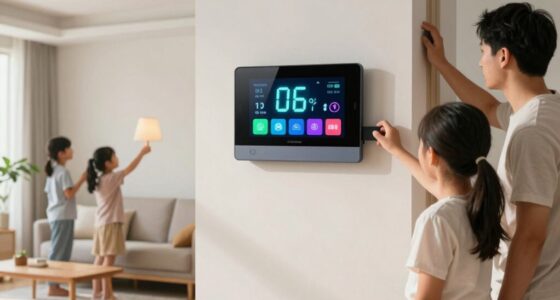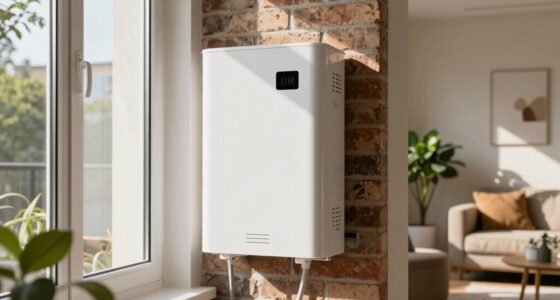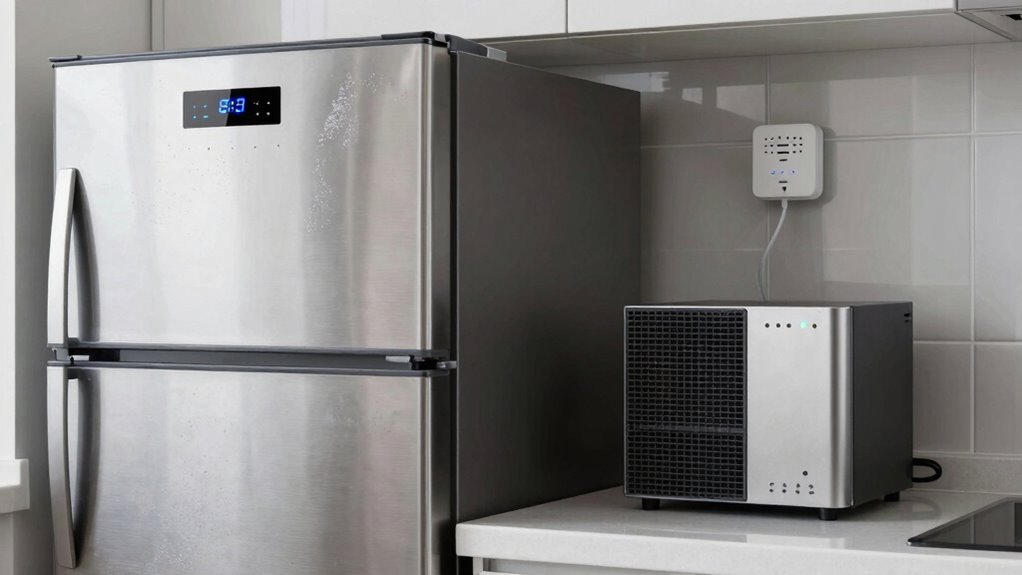

Freezer alarms, UPS units, and leak sensors help you protect your home and valuables from unexpected problems. They alert you to rising temperatures, power outages, or leaks early, so you can act fast and prevent spoilage, water damage, or data loss. These devices keep your food safe, your systems running, and your home secure. If you want to understand how these tools work together to boost your safety and peace of mind, there’s more to discover.

Get home appliances delivered free with Prime
- Fast, free delivery on millions of items
- Prime Video, Amazon Music and more included
- Member-only deals all year
Key Takeaways
- They prevent food spoilage and waste by alerting to temperature issues in freezers during outages or malfunctions.
- UPS units ensure continuous operation of critical devices, safeguarding data, security systems, and medical equipment.
- Leak sensors detect early moisture leaks, preventing water damage, mold growth, and electrical hazards.
- Integrating these devices enhances household safety, reduces repair costs, and ensures quick responses to emergencies.
- Overall, they provide peace of mind and resilience by protecting homes, food, and vital systems from unforeseen events.
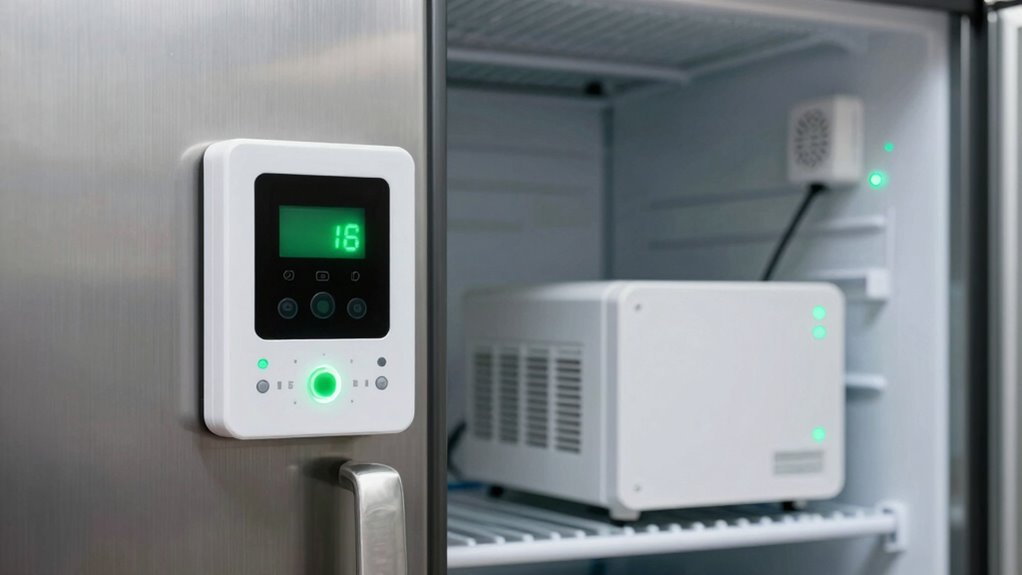
In today’s world, where valuable data, perishable goods, and household safety depend on reliable technology, understanding the importance of freezer alarms, UPS units, and leak sensors is essential. These devices play a crucial role in safeguarding your food, protecting your home, and ensuring you’re prepared for emergencies. When you rely on a freezer alarm, you’re instantly alerted if the temperature rises above safe levels, preventing thawing and spoilage. This is especially vital if you store large quantities of meat, dairy, or other perishables. Food safety hinges on maintaining the right temperature; a sudden power outage or malfunction could lead to bacteria growth, risking health and financial loss. With a reliable alarm, you can act quickly—whether by transferring items to another freezer or calling for repairs—keeping your food safe and reducing waste.
Freezer alarms protect perishable food by alerting you to temperature rises, preventing spoilage and ensuring safety during outages.
UPS units are your lifeline when the power goes out unexpectedly. They provide backup power to critical devices, ensuring your household remains functional during outages. This is particularly important for sensitive electronics, medical devices, and even home security systems. By investing in a UPS, you’re not just protecting your gadgets; you’re also safeguarding vital data and maintaining emergency preparedness. Imagine a storm hits, and the power cuts off unexpectedly. Without a UPS, your computer could shut down abruptly, risking data loss or corruption. With one, you have a buffer, giving you time to save your work or shut down equipment properly. This peace of mind is invaluable, especially in situations where every second counts. Regular maintenance and monitoring of your outdoor equipment can also help prevent leaks and damage in the first place.
Leak sensors are your early warning system against water damage. Small leaks can turn into major problems quickly, causing extensive damage and costly repairs. Whether it’s a burst pipe, a leaking appliance, or a faulty seal, leak sensors detect moisture at the earliest signs and alert you immediately. This proactive approach helps prevent water from seeping into walls, floors, or electronics, which could otherwise lead to mold growth, structural issues, or electrical hazards. Additionally, understanding water damage prevention techniques can further mitigate risks associated with leaks. Regular maintenance and monitoring of your outdoor equipment can also help prevent leaks and damage in the first place. In terms of emergency preparedness, leak sensors give you the chance to act swiftly—shutting off water supplies or calling in professionals—before a small problem becomes a disaster. This not only protects your home but also saves you money and stress in the long run.
Together, these devices form a critical safety net. They help you maintain food safety by preventing spoilage, ensure emergency preparedness by keeping essential systems running, and protect your home from water damage. Recognizing their importance means you’re better equipped to handle unexpected situations, keeping your household safe, secure, and resilient. In today’s unpredictable world, investing in these tools isn’t just smart; it’s necessary for peace of mind.
Frequently Asked Questions
Can Freezer Alarms Detect Temperature Fluctuations Instantly?
Yes, freezer alarms can detect temperature fluctuations instantly. They’re designed with high temperature sensitivity, allowing them to monitor changes quickly. This guarantees you’re alerted immediately if the temperature rises or drops outside safe ranges. Alarm accuracy is essential in these devices, so you can trust that any fluctuation will trigger an alert promptly, helping you prevent spoilage and costly damage.
How Long Do UPS Batteries Typically Last?
Your UPS batteries usually last between three to five years, depending on usage and maintenance. As the battery lifespan approaches, you might notice less backup time during outages, signaling it’s time for a replacement. Regularly checking and replacing batteries guarantees your system remains reliable. Keep an eye on the replacement frequency, and you’ll enjoy continuous protection without unexpected power disruptions, safeguarding your valuable investments seamlessly.
Are Leak Sensors Effective for All Types of Leaks?
Leak sensors are generally effective for detecting most common leaks, but their reliability can vary depending on the type of leak and sensor quality. They excel at early leak detection, helping you prevent damage and mold. However, for complex or hidden leaks, some sensors might miss them. Regular maintenance and choosing high-quality leak detection systems guarantee better sensor reliability, giving you peace of mind about potential water issues.
Do These Devices Require Professional Installation?
These devices often don’t require professional installation, making them perfect for your DIY home automation projects. Many leak sensors, freezer alarms, and UPS units are designed for easy setup with clear instructions, so you can install them yourself. However, for complex systems or integration into existing smart home setups, consulting a professional might guarantee ideal performance and safety. Overall, most devices are user-friendly enough for a confident DIY installation.
What Is the Average Cost of Setting up These Systems?
The average cost of setting up freezer alarms, UPS units, and leak sensors ranges from $200 to $1,000, depending on the system’s complexity and features. Cost considerations include equipment price and professional installation fees. Maintenance requirements are minimal but necessary; regularly check devices to verify they’re functioning correctly, replacing batteries or sensors as needed. Investing in these systems helps prevent costly damage and ensures safety.
Conclusion
Think of freezer alarms, UPS units, and leak sensors as your silent guardians, standing watch over your home and valuables. They catch trouble before it blooms, like a vigilant lighthouse guiding ships away from rocky shores. Without them, you’re sailing blind into disaster’s storm. So, equip yourself with these smart sentinels—because in life, a little foresight can save you from a world of regret, turning potential chaos into calm, confident control.
NFL season / tailgating Picks
team gear
As an affiliate, we earn on qualifying purchases.