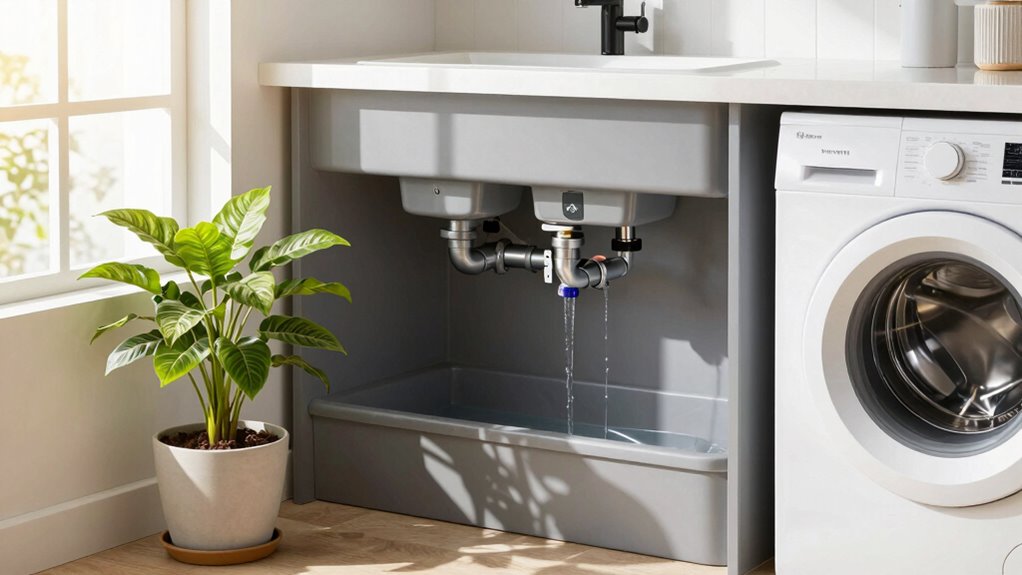

Greywater reuse in your household can substantially cut your water bills by repurposing wastewater from sinks, showers, and laundry for outdoor irrigation and flushing toilets. It reduces reliance on municipal water sources and lowers the environmental impact by decreasing energy use and wastewater volume. Properly managed, it’s a safe way to conserve water and support sustainability. If you keep exploring, you’ll discover more ways to make your household even more eco-friendly and efficient.

Get home appliances delivered free with Prime
- Fast, free delivery on millions of items
- Prime Video, Amazon Music and more included
- Member-only deals all year
Key Takeaways
- Reuses greywater for outdoor irrigation, reducing water bills and conserving municipal water resources.
- Flushing toilets with greywater decreases freshwater use and helps manage household water efficiency.
- Proper greywater systems lower household environmental impact by reducing wastewater volume and pollution.
- Ensuring safety and compliance prevents health risks from harmful chemicals or pathogens in greywater.
- Implementing greywater reuse supports sustainable water practices and eases pressure on local water systems.
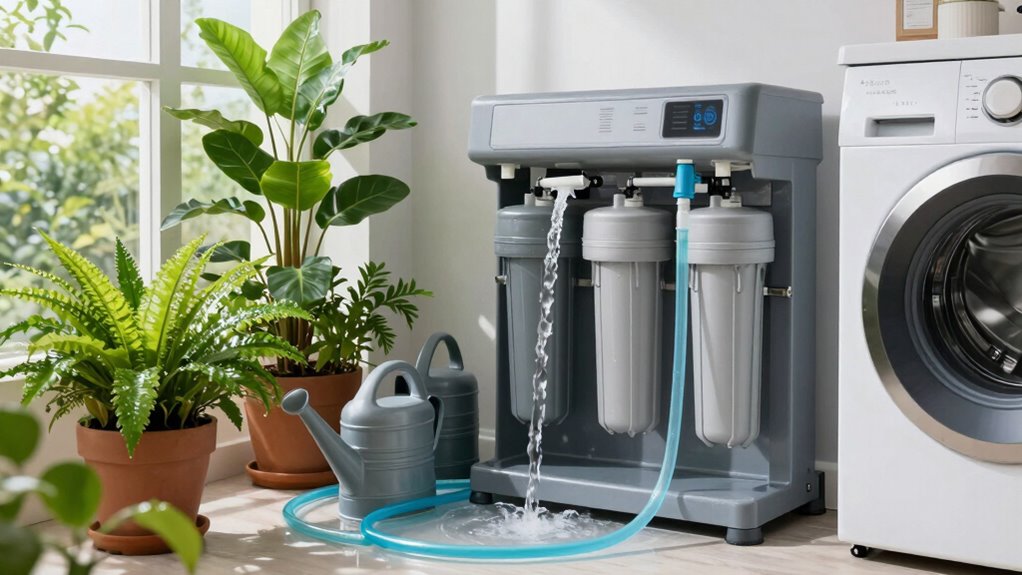
Have you ever considered how much water you waste daily? It’s easy to overlook the small leaks, the runny faucets, and the lengthy showers that add up over time. But what if you could cut back on that waste and make a real difference in your household and the environment? That’s where greywater reuse comes into play. By reusing water from sinks, showers, and laundry for non-potable purposes, you actively practice water conservation, which helps reduce your overall water demand. This isn’t just about saving money on your utility bills—it’s about reducing the environmental impact of your household. Every gallon of greywater you reuse lessens the strain on local water supplies, minimizes energy used to treat and pump fresh water, and decreases the volume of wastewater needing treatment.
In a typical household, greywater reuse can transform how you manage water. Instead of letting wastewater go down the drain, you redirect it to irrigate your garden or flush toilets. This simple change considerably reduces the amount of fresh water your household consumes. For example, using greywater for outdoor irrigation means your plants get the water they need without drawing from the municipal water supply. This practice not only conserves water but also helps maintain healthier gardens, as greywater often contains nutrients that plants love. Plus, it lessens the environmental impact caused by overusing freshwater sources and reduces the energy needed for water treatment and distribution. Properly managing greywater involves understanding biodiversity and ensuring the health of local ecosystems, which can benefit from sustainable water practices. Additionally, understanding wastewater treatment processes can help homeowners make informed decisions about greywater reuse, ensuring safety and compliance.
Implementing greywater reuse can be straightforward if you follow proper guidelines. You need to be mindful of what types of water you’re recycling—avoiding water with harmful chemicals or pathogens—and ensure the system is safe and compliant with local regulations. When done correctly, it becomes an efficient way to reduce your household’s ecological footprint. You’ll find that you’re not just conserving water but also reducing the amount of wastewater that enters treatment facilities, which can be overwhelmed in some areas. This diminishes pollution and energy use associated with wastewater treatment processes, making your household more environmentally friendly. Recognizing the importance of sustainable water practices can further enhance your efforts in reducing environmental impact. Incorporating greywater recycling systems can serve as an effective step toward achieving these goals, especially in areas facing water scarcity. Moreover, understanding the health and safety considerations involved in greywater reuse is crucial to ensure that your system remains safe for your household and the environment.
greywater recycling system for home
As an affiliate, we earn on qualifying purchases.
As an affiliate, we earn on qualifying purchases.
Frequently Asked Questions
How Much Cost Savings Can Greywater Reuse Provide Annually?
You can expect to save around $100 to $300 annually through greywater reuse, depending on your household size and water usage habits. A thorough cost analysis shows that initial setup costs are offset by reduced water bills over time. Savings estimation varies, but with efficient systems, you’ll see noticeable reductions in your water expenses, making greywater reuse a smart, eco-friendly investment for your household.
Are There Any Legal Restrictions on Greywater Reuse in My Area?
They say, “Knowledge is power,” and understanding your area’s legal regulations is essential before reusing greywater. Yes, there may be restrictions in your area, especially regarding water rights and safety standards. Check with local authorities or water agencies to confirm compliance. Ignoring these rules could lead to fines or legal trouble. Being informed helps you reuse greywater safely and responsibly, making a positive impact on your household and the environment.
What Maintenance Is Required for a Greywater System?
You need to regularly clean and check your greywater system filtration to keep it functioning well. Follow a maintenance schedule that includes inspecting filters, removing debris, and flushing the system as recommended. Keep an eye out for clogs or odors, and promptly address any issues. Consistent maintenance guarantees your greywater reuse system remains efficient, safe, and eco-friendly, helping you save water and reduce waste effectively.
Can Greywater Reuse Reduce Our Household Water Bill Significantly?
Yes, greywater reuse can considerably reduce your household water bill by promoting water conservation. By reusing water from sinks, showers, and laundry, you decrease the demand for fresh water, leading to lower utility costs. Additionally, this practice benefits the environment by reducing the environmental impact of water extraction and wastewater treatment. Overall, greywater systems help you save money while supporting sustainable water use in your home.
How Safe Is Greywater for Plants and Household Use?
Greywater is generally safe for plants when properly treated, but about 20% of households face health risks from contamination concerns if not managed correctly. You should avoid using untreated greywater for edible plants or household purposes like drinking, as health risks from bacteria or chemicals can arise. Proper filtration and minimal chemical use help guarantee greywater remains safe for your garden and home, reducing contamination concerns.
Conclusion
By now, you see that greywater reuse isn’t just a pipe dream. It can save water, cut down your bills, and make your household more eco-friendly. With a bit of planning, you can turn a simple idea into a sustainable habit. Remember, it’s not about reinventing the wheel—it’s about making small changes that add up. So go ahead, take the plunge and let greywater work for you; you’ll be glad you did.
Fall yard work Picks
leaf blowers
As an affiliate, we earn on qualifying purchases.