
Even in energy-efficient homes, phantom loads matter because devices like smart TVs, chargers, and Wi-Fi routers still draw power when off or in standby mode. This hidden energy use can add up over time, wasting your renewable energy efforts and increasing costs. Ignoring these loads can undo your savings and make your system less effective. Keep going to discover how you can identify and reduce these sneaky energy drains for a truly efficient home.

Get home appliances delivered free with Prime
- Fast, free delivery on millions of items
- Prime Video, Amazon Music and more included
- Member-only deals all year
Key Takeaways
- Phantom loads consume energy even when devices are off, reducing overall home efficiency.
- They can negate energy savings from renewable sources and energy-efficient appliances.
- Hidden power draws increase energy costs despite investments in green technology.
- Addressing phantom loads maximizes renewable energy use and supports home self-sufficiency.
- Vigilant monitoring and management are essential to prevent unnecessary energy waste in efficient homes.
Have you ever wondered why your energy bills stay high even after upgrading to an energy-efficient home? The answer often lies in phantom loads—those hidden power draws from devices that seem to be off but still consume energy in the background. Even in homes equipped with the latest smart home technology and harnessing renewable energy sources, phantom loads can quietly chip away at your savings and reduce overall efficiency. It’s easy to assume that switching to renewable energy or installing smart devices automatically eliminates energy waste, but phantom loads prove otherwise. They’re a sneaky source of power drain that can undermine your efforts to create a truly efficient home.
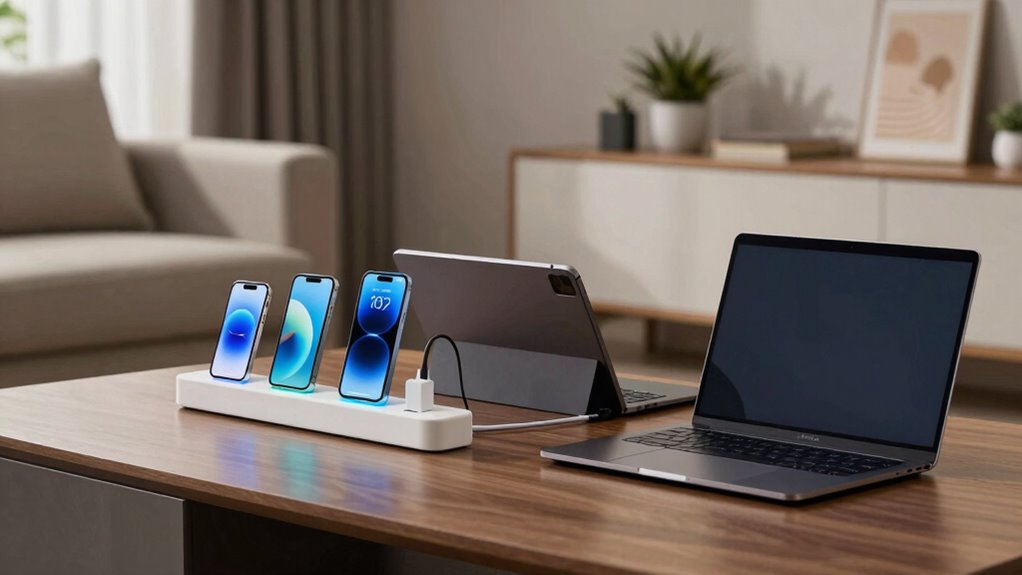
Smart home technology aims to give you control and optimize energy use, but many devices remain partially active or enter standby modes that still draw power. For example, smart TVs, chargers, and even Wi-Fi routers often stay partially powered on for quick access or updates, continuously consuming energy even when not in use. This persistent draw can add up over time, nullifying some of the gains from your energy-efficient appliances and renewable energy systems. Understanding which devices contribute most to phantom loads helps you target your efforts more effectively. Additionally, standby power consumption can vary significantly depending on the device and its features, making it crucial to identify and manage these sources.
Even if you generate your own renewable energy, like solar panels or wind turbines, phantom loads can hinder your ability to maximize self-sufficiency. Excess energy produced during the day might be sent back to the grid, but if phantom loads are draining power throughout the night, your system isn’t functioning as efficiently as it could. You might think your renewable energy setup alone can offset all consumption, but these hidden loads highlight that efficiency isn’t just about generation—it’s also about consumption and management. Reducing phantom loads ensures that every watt of renewable energy you produce is used effectively, lowering your reliance on external power sources and decreasing your overall energy costs. Energy efficiency is truly a comprehensive approach that encompasses both generation and consumption. Moreover, monitoring devices can help you track and identify which electronics are consuming the most power in real-time, enabling more targeted savings.
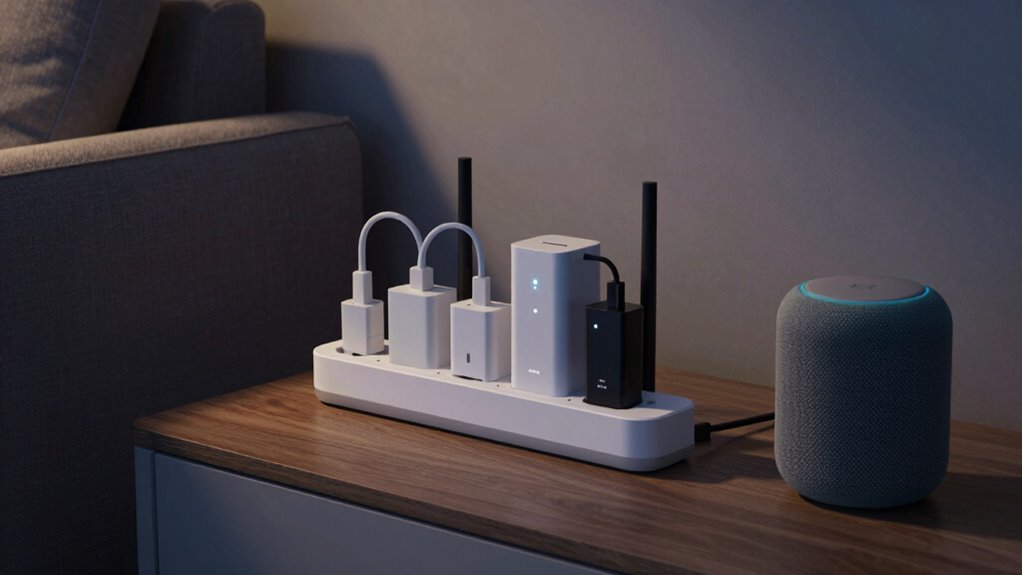
To combat phantom loads, simple steps like unplugging devices when they’re not in use, using power strips with switches, or investing in smart outlets that can be scheduled or remotely controlled make a big difference. These measures help you cut down on unnecessary consumption and make your home truly energy-efficient. Remember, even in homes with advanced smart home technology, vigilance is key. Regularly auditing your devices and being mindful of standby power can prevent phantom loads from quietly sabotaging your energy savings. Additionally, energy management techniques can further optimize your household’s overall efficiency. Incorporating device-specific energy-saving tips can also help you target the biggest offenders more effectively. Ultimately, addressing these hidden loads ensures that your efforts to incorporate renewable energy and smart technology translate into real, tangible benefits.
As an affiliate, we earn on qualifying purchases.
Frequently Asked Questions
How Do Phantom Loads Affect Overall Household Energy Consumption?
Phantom loads increase your overall household energy consumption by quietly using power even when devices are off. By using energy monitoring tools, you can identify these hidden loads, making load management easier. Turning off or unplugging devices when not in use prevents phantom energy drain, saving you money and reducing your carbon footprint. Managing phantom loads is a simple but effective way to improve your home’s energy efficiency.
Are There Specific Appliances That Contribute Most to Phantom Loads?
Certain appliances contribute most to phantom loads through their standby modes, which cause ongoing energy drain. You’ll typically see this with devices like TVs, chargers, and computers, especially when they’re turned off but still plugged in. These appliances keep consuming power in standby mode, adding to your overall energy use. To reduce this, unplug devices when not in use or invest in smart power strips that cut off energy drain automatically.
Can Smart Home Systems Eliminate Phantom Loads Completely?
Smart home systems can’t eliminate phantom loads completely, but they markedly reduce them. By integrating a smart grid and energy monitoring, you can identify and control devices consuming standby power. These systems allow you to turn off or schedule appliances to minimize unnecessary energy use. While not perfect, combining smart technology with mindful habits can greatly cut down on phantom loads, making your home more energy-efficient and cost-effective.
What Are Cost-Effective Methods to Reduce Phantom Loads?
Think of power strips as your home’s guardians, ready to switch off those sneaky phantom loads. Use power strips with on/off switches to easily cut power when devices aren’t in use. Pair this with energy monitoring tools, so you see where energy’s slipping away. These cost-effective methods help you save on electricity bills and reduce unnecessary energy consumption, making your home more efficient without breaking the bank.
Do Newer Appliances Have Lower Phantom Loads Than Older Models?
Newer appliances generally have lower phantom loads than older models because appliance design focuses more on reducing power consumption when devices are off or in standby mode. Manufacturers incorporate advanced technology to minimize unnecessary energy use, making modern appliances more efficient. As a result, your newer devices actively contribute less to phantom loads, helping you save energy and reduce your overall electricity costs in an efficient home.
Conclusion
Just like shadows lurking in the corners of a well-lit room, phantom loads quietly drain your home’s energy, undermining efficiency. By unplugging unused devices or using smart power strips, you reclaim control over these hidden leaks. Remember, every little bit counts—think of it as tending a garden where small weeds, if left unchecked, can overrun the whole. Stay vigilant, and you’ll keep your home as radiant and efficient as a sunrise breaking through the clouds.
Evergreen bestsellers Picks
bestsellers
As an affiliate, we earn on qualifying purchases.