To keep your airtight home healthy, you need proper ventilation systems that regulate fresh air exchange while trapping indoor pollutants. Modern options like HRVs and ERVs recover heat, ensuring energy efficiency without sacrificing air quality. Regularly maintaining filters and managing humidity levels help prevent mold and improve indoor air. Balancing airtightness with effective ventilation protects your health and saves energy. If you want to learn more about achieving this perfect balance, keep exploring the essentials of healthy, efficient homes.

Get home appliances delivered free with Prime
- Fast, free delivery on millions of items
- Prime Video, Amazon Music and more included
- Member-only deals all year
Key Takeaways
- Proper ventilation removes indoor pollutants, allergens, and moisture, improving indoor air quality and preventing health issues.
- Controlled airflow with systems like HRVs and ERVs balances airtightness and fresh air exchange for a healthy environment.
- Regular maintenance of ventilation systems ensures efficient removal of contaminants and humidity control.
- Proper ventilation reduces mold growth and structural damage caused by excess moisture buildup.
- Achieving a balance between airtight sealing and effective airflow maintains energy efficiency and healthy indoor conditions.
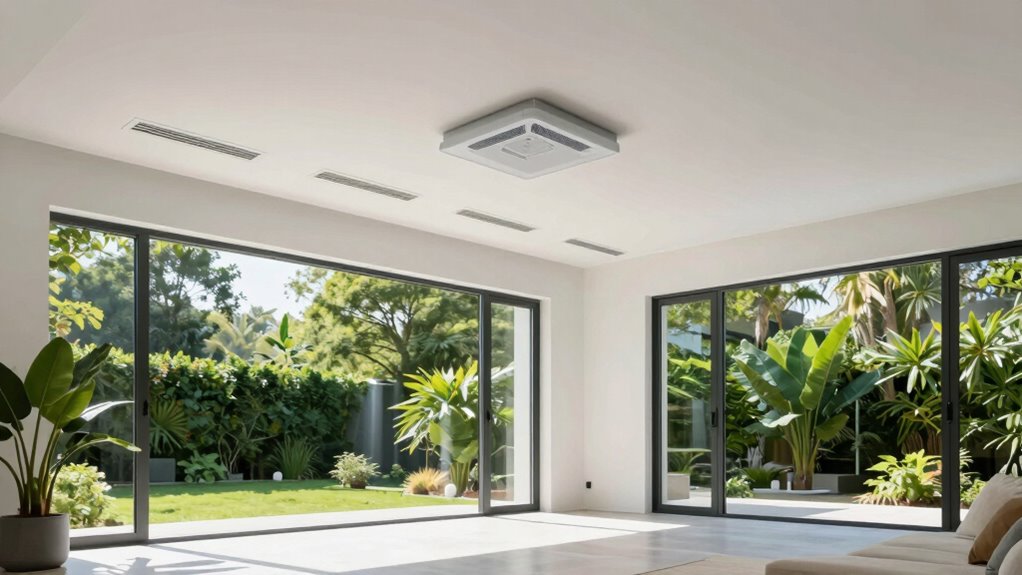
While airtight homes are excellent for energy efficiency, they can also trap indoor pollutants and moisture if not properly ventilated. Without the right ventilation, indoor air quality can decline, leading to health issues, discomfort, and even mold growth. The key is balancing airtightness with effective airflow to ensure your home remains a healthy environment. Proper ventilation helps remove pollutants like volatile organic compounds (VOCs), dust, pet dander, and humidity that can accumulate in tightly sealed spaces. When you don’t address this, you risk breathing in stale, contaminated air, which can cause respiratory problems, allergies, or fatigue.
Airtight homes need proper ventilation to prevent indoor pollutants, moisture buildup, and health issues.
You might think that sealing your home tightly will improve energy efficiency and keep your utility bills low, and it does—if you manage ventilation correctly. Good indoor air quality depends on controlled air exchange, so fresh air replaces stale indoor air without sacrificing energy savings. Modern ventilation systems, such as heat recovery ventilators (HRVs) or energy recovery ventilators (ERVs), are designed to do exactly that. They allow fresh air to enter while recovering heat from outgoing air, ensuring that your home stays warm in winter and cool in summer, all while maintaining high indoor air quality. When you install these systems, you’re actively controlling airflow, reducing the need to open windows or doors, which can compromise energy efficiency.
It’s also essential to ensure that ventilation is continuous and well-maintained. Regularly cleaning or replacing filters in your ventilation system keeps air flowing smoothly and prevents the buildup of dust or mold. Incorporating proper ventilation is crucial to prevent indoor air stagnation and maintain a healthy living environment. Properly designed ventilation systems also help manage humidity levels, reducing the risk of mold and mildew growth, which aligns with indoor air quality best practices. Additionally, understanding the benefits of air exchange efficiency can help optimize the performance of your ventilation system and improve overall home health. Proper ventilation strategies are essential to ensure that fresh air circulates effectively without losing energy efficiency. Ensuring proper ventilation also involves paying attention to humidity control, which is vital for preventing excess moisture that can lead to structural issues or health problems. When you understand the importance of proper ventilation, you recognize it as an integral part of your home’s energy efficiency plan. It’s not enough to just seal your home; you need to give it a way to breathe. Otherwise, pollutants and excess moisture will linger, potentially damaging your property and affecting your health.
In the end, maintaining a healthy, energy-efficient airtight home comes down to smart ventilation choices. You want to protect indoor air quality without sacrificing the benefits of a sealed building envelope. By investing in proper ventilation systems and taking care of them, you ensure your home remains a safe, comfortable, and energy-efficient haven. It’s about finding that perfect balance where your home stays airtight for energy savings but still provides fresh, healthy air for you and your family.
Heat Recovery Ventilator (HRV) system
As an affiliate, we earn on qualifying purchases.
As an affiliate, we earn on qualifying purchases.
Frequently Asked Questions
How Often Should Ventilation Systems Be Serviced in Airtight Homes?
You should service your ventilation system at least once a year to guarantee ideal indoor air circulation and maintain air quality. Regular ventilation system maintenance helps prevent dust buildup, mold, and other pollutants, keeping your airtight home healthy. If you notice decreased airflow or unusual noises, consider more frequent checks. Proper maintenance keeps your ventilation system efficient, providing fresh air and removing stale air, ultimately supporting a healthier living environment.
What Are the Signs of Poor Indoor Air Quality?
You’ll notice poor indoor air quality if you experience persistent allergies, headaches, or fatigue. Unpleasant odors, stuffy air, or visible mold are clear air quality indicators. If ventilation isn’t effective, these issues worsen, leading to higher humidity and airborne pollutants. Regularly checking your ventilation system’s performance helps guarantee good air quality. When you address these signs promptly, you maintain a healthier, more comfortable living environment.
Can Airtight Homes Cause Mold Growth?
Airtight homes can cause mold growth if moisture accumulates due to poor ventilation, excess humidity, or leaks. Without proper airflow, moisture lingers, creating ideal conditions for mold to develop, grow, and spread. To prevent this, you need to control moisture accumulation through effective mold prevention strategies, such as installing vents, using dehumidifiers, and ensuring proper insulation. Regularly monitoring humidity levels helps keep your home healthy and mold-free.
Are There Energy-Efficient Ventilation Options Available?
Yes, there are energy-efficient ventilation options available for airtight homes. You can use energy-saving fans that consume minimal power while effectively circulating air. Solar ventilation systems are also a great choice, harnessing sunlight to power fans and reduce energy costs. These options help maintain healthy indoor air quality without sacrificing energy efficiency, ensuring your home stays fresh and safe while keeping utility bills low.
How Does Humidity Control Impact Indoor Air Health?
Humidity regulation directly impacts your indoor air health by controlling moisture levels, which prevents mold growth and reduces allergens. Effective moisture management keeps the air balanced, making it less hospitable for dust mites and bacteria. When you maintain proper humidity, your home feels more comfortable, and you lower the risk of respiratory issues. In short, managing humidity is essential for a healthy, safe indoor environment.
Conclusion
To keep your airtight home healthy, you need to prioritize proper ventilation. Ventilate to remove indoor pollutants, ventilate to control humidity, and ventilate to guarantee fresh air flows in. By balancing airtightness with ventilation, you create a space that’s comfortable, safe, and sustainable. Remember, it’s not just about sealing your home but about breathing new life into it. Keep the air moving, and your home will stay healthy, happy, and inviting.
Halloween Picks
halloween
As an affiliate, we earn on qualifying purchases.