Using time-of-use rates, you can charge your EV during off-peak hours when electricity prices are lower, saving you money. Utilities often encourage this shift through incentives and smart technologies, helping reduce your costs and ease the grid demand. Home batteries and apps can optimize your charging schedule for maximum savings. If you want to discover more ways to cut costs and support a sustainable energy future, keep exploring the benefits of TOU rates.
Key Takeaways
- Charging during off-peak hours benefits from lower electricity rates, significantly reducing EV charging costs.
- Utility incentives and demand management strategies encourage off-peak charging, making it more affordable.
- Using home batteries and real-time rate data optimizes charging times for maximum savings.
- Smart grid technologies enable better scheduling, leveraging renewable energy and reducing peak demand expenses.
- Future energy trends will increase the cost-effectiveness of TOU rates with higher renewable energy integration.

If you’re charging an electric vehicle (EV), understanding time-of-use (TOU) rates can save you money. These rates vary depending on the time of day, with lower prices during off-peak hours when demand on the grid is lighter. By aligning your charging schedule with these cheaper periods, you can substantially cut your costs. This approach makes EV charging not only more affordable but also more efficient. When you charge during off-peak times, you’re helping to balance demand on the grid, which benefits everyone. It’s a win-win: you save money, and the electricity system runs more smoothly.
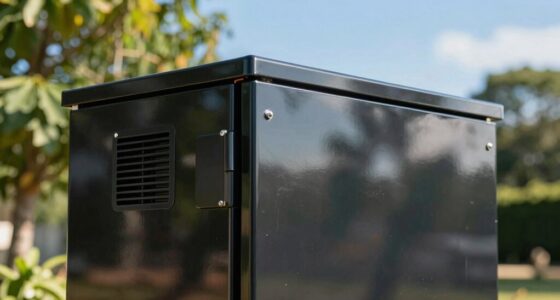
Many utilities now offer incentives to encourage off-peak charging, often tied to grid integration strategies. These strategies use battery storage systems that store energy during low-demand periods and release it during peak times, reducing strain on the grid. If you have a home battery storage system, you can take even greater advantage of TOU rates. Instead of charging your EV directly from the grid during costly peak hours, you can use stored energy from your batteries, further lowering your expenses. This setup not only saves you money but also contributes to grid stability by decreasing peak demand.
Using home batteries with TOU rates lowers EV charging costs and supports grid stability.
In addition, understanding TOU rates can influence how you plan your energy use beyond just charging your vehicle. For example, running high-energy appliances or heating during off-peak hours helps flatten demand peaks, which supports grid integration strategies. As the grid becomes smarter and more responsive, your ability to adapt your energy consumption patterns benefits both your wallet and the environment. Lowering your EV charging costs might be as simple as scheduling it for late-night or early-morning hours when electricity rates are at their lowest. Recognizing the importance of demand management can help you make smarter decisions about your overall energy consumption. Incorporating renewable energy sources into your energy planning can further enhance the benefits of TOU rates, making your charging even more sustainable. Additionally, staying informed about dynamic rate information through utility apps enables you to fine-tune your charging schedule in real time for maximum savings.
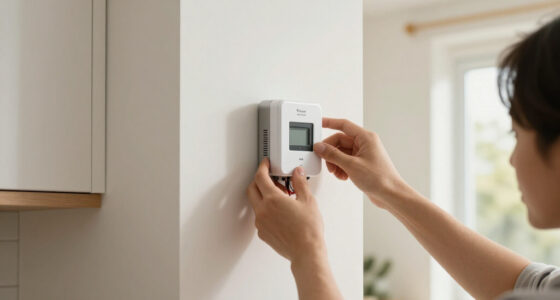
Furthermore, some utility companies provide real-time or forecasted TOU rate information through apps or online portals. Using these tools, you can optimize your charging times dynamically, ensuring you’re always taking advantage of the cheapest rates available. This proactive approach could reduce your charging costs by a substantial margin over time. Plus, as more renewable energy sources like wind and solar are integrated into the grid, TOU rates are likely to become more favorable during periods of high renewable generation, making your EV charging even greener and more economical. Understanding TOU rates is crucial for maximizing your savings and supporting a sustainable energy future.
As an affiliate, we earn on qualifying purchases.
Frequently Asked Questions
How Do I Find My Utility’s Off-Peak Hours?
You can find your utility’s off-peak hours by checking their utility schedule, which is often available on their website or your billing statement. Look for information about peak hours and off-peak hours to identify when electricity is cheapest. Utility companies typically set these schedules based on demand patterns. If you’re unsure, call customer service—they’ll help you understand the specific peak hours to optimize your EV charging and save money.
Are There Any Hidden Fees With TOU Rates?
You might worry about hidden fees lurking in your TOU rates, but most utilities prioritize transparency. While some charges could surprise you, they’re usually disclosed upfront. Always review your rate plan details carefully and ask questions if something seems unclear. Staying informed helps you avoid unexpected costs. Keeping an eye on your bill ensures you’re not caught off guard, revealing the true savings potential of intelligently timed EV charging.
Can I Switch Between Rate Plans Easily?
Yes, you can usually switch between rate plans easily, often through your utility provider’s online portal or customer service. Doing a rate comparison helps you understand which plan offers the best Charging incentives for your EV needs. Keep in mind, switching might involve some paperwork or a small shift period, but overall, it’s a straightforward way to optimize your savings and take advantage of lower off-peak rates.
How Do TOU Rates Impact My Overall Electricity Bill?
Your electricity pricing directly impacts your overall bill. When you understand how different rates work, you can choose plans that maximize cost savings, especially during off-peak hours. Time-of-use rates, for example,, often charge less for electricity during certain times, helping you lower your costs. By aligning your usage with these rates, you can considerably reduce your electricity bill and enjoy smarter, more cost-effective energy management.
Are TOU Rates Available for All Types of EV Chargers?
Not all EV chargers support TOU rates, but many public charging stations and home chargers are compatible. Your charging infrastructure plays a key role, especially if it’s smart or grid-integrated, which can optimize costs based on TOU periods. By using flexible chargers, you can take advantage of renewable integration and lower your electricity costs during off-peak hours, making EV charging more affordable and environmentally friendly.
Conclusion
By embracing time-of-use rates, you might find your EV charging experience becomes unexpectedly gentle on your wallet. As you navigate the rhythmic dance of peak and off-peak hours, the savings quietly accumulate, turning what once seemed costly into a subtle, almost whispering benefit. It’s a clever way to make the most of your energy investments, allowing you to charge more affordably and smoothly—harmony in your journey toward smarter, more economical driving.