Your solar panel placement is more important than the number of panels because proper positioning maximizes sunlight exposure and energy output. Poor placement can seriously limit efficiency, no matter how many panels you install. Factors like roof orientation, shading, and tilt influence how much sunlight your panels receive throughout the day and year. Focusing on ideal placement ensures better performance, longevity, and return on investment. Keep exploring to discover how to get the most out of your solar system.

Get home appliances delivered free — and shop member deals
- Fast, free delivery on millions of items
- Access to Prime Big Deal Days deals on October 6–7
- Prime Video, Amazon Music and more included
Key Takeaways
- Proper placement maximizes sunlight exposure, significantly increasing energy production regardless of the number of panels.
- Shaded or poorly oriented panels generate less power, making placement more critical than panel quantity.
- Correct tilt and orientation optimize sunlight absorption, boosting efficiency beyond simply adding more panels.
- Strategic placement prevents shading from obstacles, ensuring panels operate at peak performance.
- Well-placed panels improve system lifespan and overall performance more than increasing panel count alone.
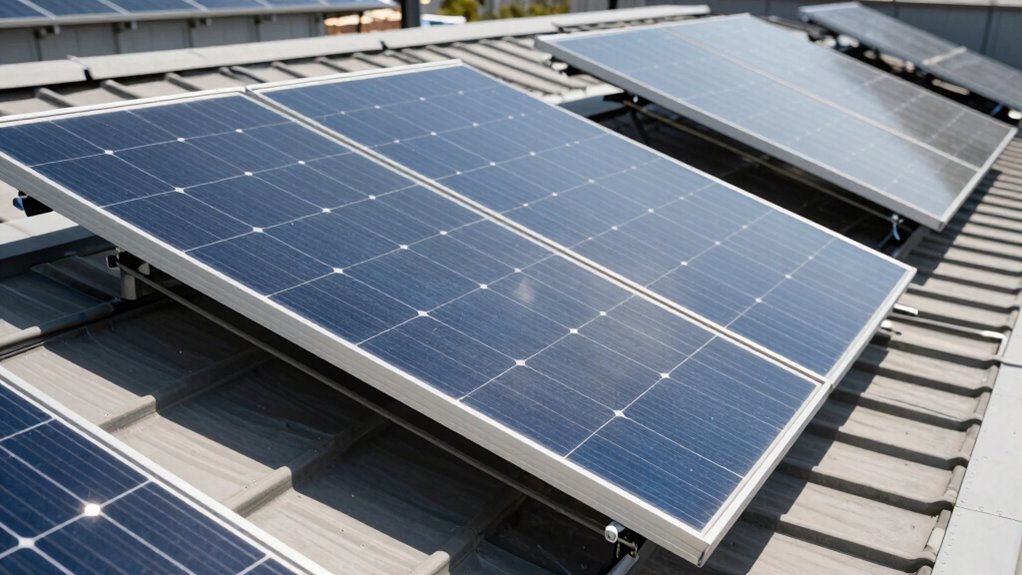
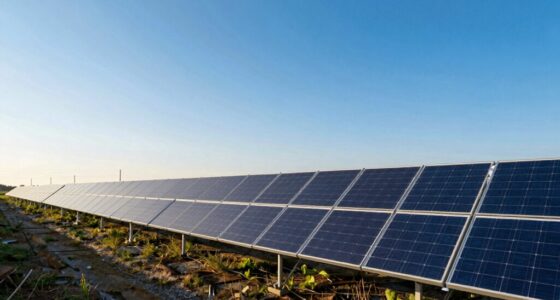
When it comes to maximizing your solar energy output, the number of panels you install isn’t the only factor that matters—where you place them can make a much bigger difference. Even if you add more panels, poor placement can severely limit their efficiency. To get the most out of your system, you need to consider factors like shading analysis and roof orientation, which directly impact how much sunlight your panels receive throughout the day. Shading analysis involves examining your property for potential obstacles—like trees, chimneys, or nearby structures—that could cast shadows on your panels. Shadows can drastically reduce the amount of sunlight hitting the panels, decreasing their energy production. Conducting a shading analysis ensures you position your panels where they’ll stay in the sun for the longest periods, avoiding shaded spots during peak sunlight hours. Additionally, understanding how to optimize solar panel placement can help you make the most of available sunlight and improve overall efficiency. Roof orientation is another critical factor. In the northern hemisphere, south-facing roofs are ideal because they receive the most direct sunlight throughout the year. East-facing or west-facing roofs can still work but typically produce less energy because they only capture sunlight during specific parts of the day. North-facing roofs are generally the least effective for solar panel placement in this hemisphere. If your roof has multiple orientations, it’s best to prioritize the sections that face south or have the clearest, unobstructed access to sunlight. Additionally, the tilt or pitch of your roof plays a role. A roof with an optimal angle will maximize sunlight absorption, but if your roof isn’t ideally angled, mounting brackets can sometimes be adjusted to improve orientation and tilt. Proper planning and positioning can also help avoid potential shading issues that might not be immediately obvious. It’s also helpful to consider local climate conditions because frequent cloudy days or snow cover can influence how you position your panels for maximum efficiency. In some cases, incorporating seasonal adjustments can further optimize energy production throughout the year. Beyond just choosing the right spot, you should also think about the overall layout. Proper spacing between panels prevents shading from neighboring units and ensures efficient airflow, which helps keep your system cool and running smoothly. Incorporating advanced shading analysis tools can further refine your placement strategy, especially in complex environments. It’s important to remember that even a perfectly oriented roof can be rendered ineffective if large trees or buildings cast shadows over the panels during peak hours. That’s why a thorough shading analysis is essential before installation. In the end, the right placement can significantly influence your system’s performance and lifespan. In essence, investing in the right placement means paying close attention to the details of your property’s environment. Correctly analyzing shading and roof orientation can significantly boost your system’s output and longevity. It’s about making smart choices upfront so your panels perform at their best, regardless of how many you install. When you get the placement right, you’ll see better energy savings and a quicker return on your investment.
As an affiliate, we earn on qualifying purchases.
Frequently Asked Questions
How Does Shading Affect Solar Panel Efficiency?
Shading substantially affects solar panel efficiency because even small shade impact can cause efficiency loss across the entire system. When parts of your panels are shaded, they produce less power, reducing overall energy output. This efficiency loss can be more severe than you’d expect, especially if shading covers critical areas. To maximize efficiency, you need to carefully consider shading factors during installation, avoiding shadows from trees, buildings, or other obstructions.
What Is the Best Orientation for Solar Panels?
You should orient your solar panels toward true south if you’re in the Northern Hemisphere or true north in the Southern Hemisphere for maximum sunlight exposure. Keep the panels at an ideal tilt angle, usually equal to your latitude, to maximize efficiency. Use proper panel mounting to guarantee stability and perfect positioning, avoiding shading and weather effects. This setup guarantees your panels capture the most sunlight throughout the day and year.
How Does Roof Material Impact Panel Placement?
Roof material greatly influences panel placement because roof compatibility varies with material durability. You need to evaluate whether your roof’s material can support the weight and installation of solar panels. For instance, metal and tile roofs often offer better durability and easier mounting options, while shingle roofs may require additional reinforcement. Choosing the right roof material guarantees your panels stay secure and function efficiently over time.
Can Landscaping Improve Solar Panel Performance?
Landscaping can considerably boost your solar panel performance, like giving your system a tailored suit. Proper landscaping design guarantees your panels stay in full sun, free from shadows. Tree trimming plays an essential role, removing obstructions that block sunlight. By thoughtfully managing your yard, you optimize sunlight exposure, which helps your panels generate more energy and save you money in the long run.
How Often Should Solar Panels Be Repositioned?
You should reposition your solar panels only if they’re obstructed or after significant landscape changes. Regular panel cleaning and a maintenance schedule guarantee peak performance, but repositioning isn’t needed unless shading or debris persist. Typically, you won’t need to move panels frequently. Focus on keeping them clean and free of obstructions, and evaluate the need for repositioning annually or after major landscaping to maximize sunlight exposure and efficiency.
Conclusion
Think of your solar panels as a garden of potential energy. Just like planting each flower wisely guarantees a vibrant bloom, placing your panels in the right spot releases their true power. It’s not about how many you plant, but where you position them to catch the sun’s rays. When you prioritize placement, your solar investment blossoms into a reliable source of energy, shining brightly through every season—your personal symbol of smart, sustainable choices.
Halloween Picks
halloween
As an affiliate, we earn on qualifying purchases.