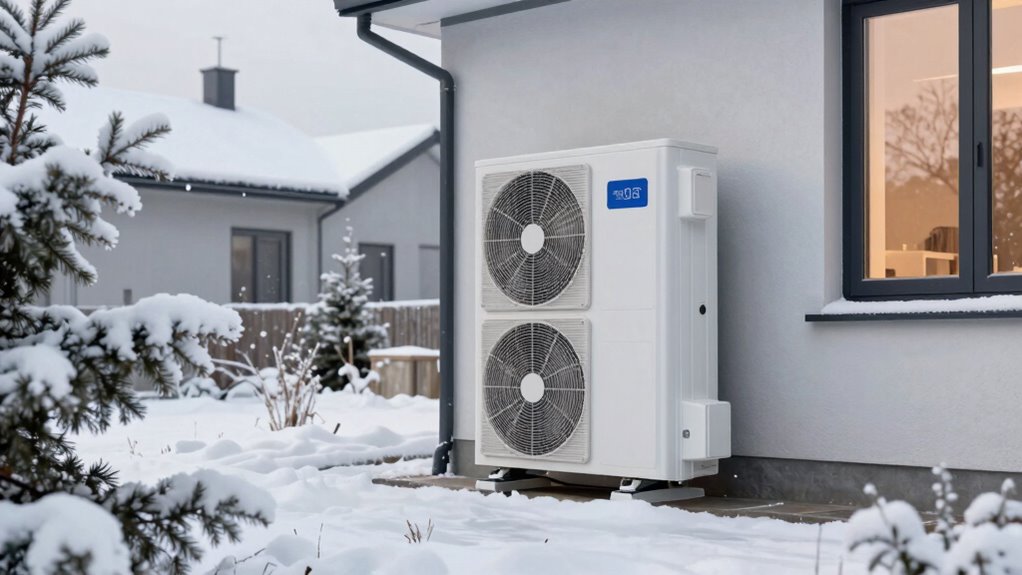

Adopting a heat pump increases your winter electricity use because it works harder in cold weather to keep your home warm. As outdoor temperatures drop, the system pulls more power, leading to higher energy consumption and potentially higher bills during colder spells. While heat pumps are still more efficient overall, understanding how seasonal changes impact your energy use can help you better manage costs and performance. More details can help you optimize your setup for winter months.

Get home appliances delivered free with Prime
- Fast, free delivery on millions of items
- Prime Video, Amazon Music and more included
- Member-only deals all year
Key Takeaways
- Heat pumps increase electricity use during colder days as they work harder to maintain indoor warmth.
- Seasonal efficiency varies, with higher energy consumption in extreme cold and lower use in milder weather.
- Proper insulation and maintenance can optimize heat pump performance and reduce winter electricity costs.
- Adoption shifts winter energy demand patterns, leading to higher peaks during cold spells.
- Overall winter electricity use may rise initially but can be lower over the entire season compared to traditional systems.
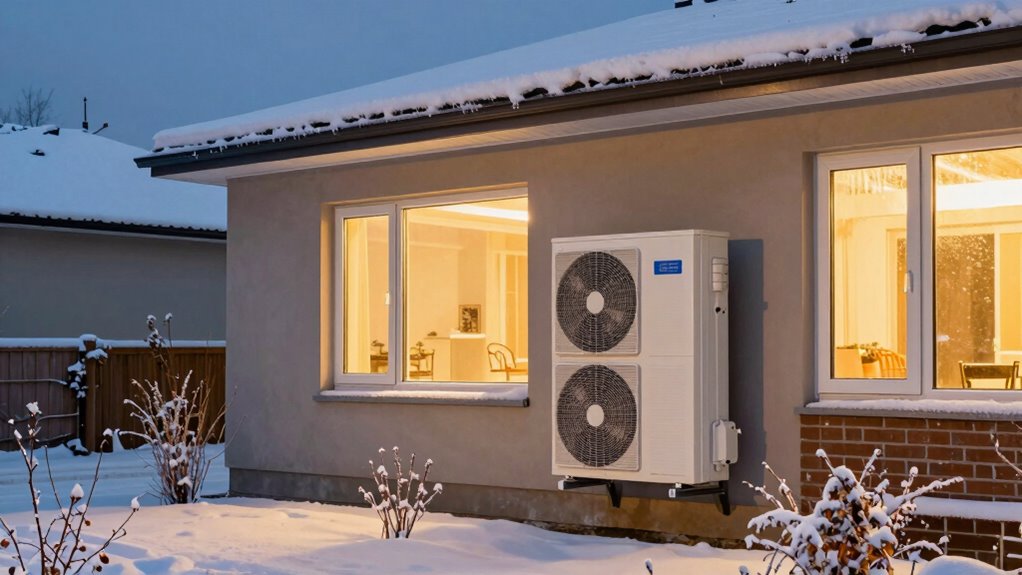
As more households adopt heat pumps for heating, winter electricity use tends to increase considerably. Heat pumps are valued for their energy efficiency, pulling heat from the outside air and transferring it indoors, even in cold weather. While they are designed to consume less electricity than traditional heating methods, their impact on overall energy consumption during winter months is noticeable. This increase is largely due to seasonal variation in heating demand, which can fluctuate based on temperature drops and weather patterns. When temperatures plummet, your heat pump works harder to maintain a comfortable indoor environment, leading to higher electricity consumption.
Heat pumps increase winter electricity use as they work harder in colder weather, despite their energy-efficient design.
You might expect that, because heat pumps are more energy efficient than furnaces or electric resistance heaters, they’d reduce your overall energy use. However, during peak winter conditions, the amount of electricity needed to operate these systems increases. The seasonal variation in outdoor temperatures means your heat pump’s efficiency can vary throughout the season. When it’s milder, your heat pump runs smoothly and uses less power. But as it gets colder, it requires more energy to extract and transfer heat, leading to a spike in electricity use. This fluctuation means that although heat pumps are generally efficient, your winter electricity bills could still rise during colder spells. Understanding seasonal variation in energy demand can help you better anticipate these changes.
The key to understanding how heat pump adoption changes winter electricity use lies in recognizing this seasonal variation. Early in the season or during milder days, your heat pump might use minimal power, aligning with its energy-efficient design. As temperatures drop, the system compensates by drawing more electricity, possibly offsetting some of the savings gained during milder periods. This pattern can cause noticeable peaks in your electricity consumption, especially if you rely solely on electric heating. It’s also important to consider that Indoor temperature regulation techniques can influence the overall efficiency and electricity consumption of your heat pump. Proper insulation, for example, can reduce the workload on your system, helping maintain consistent indoor temperatures with less energy.
Additionally, understanding seasonal efficiency variation can help you plan for energy costs and system maintenance throughout the winter. Despite these fluctuations, heat pumps still offer a more efficient alternative to traditional electric resistance heaters or oil-based systems. Over the course of an entire winter, their energy efficiency often results in lower total energy costs compared to older systems. Still, you should expect some seasonal variation in electricity use, especially during the coldest days. By understanding how your heat pump responds to changing temperatures, you can better plan your energy use and potentially adjust your settings or supplementary heating to manage electricity consumption more effectively. Overall, adopting a heat pump changes your winter energy profile, but with proper awareness, you can maximize its efficiency benefits while keeping costs manageable.
heat pump winter energy efficiency
As an affiliate, we earn on qualifying purchases.
As an affiliate, we earn on qualifying purchases.
Frequently Asked Questions
How Long Does It Take to Install a Heat Pump System?
The installation timeline for a heat pump system typically takes about one to three days, depending on your home’s size and existing ductwork. You should consider cost considerations, as installation costs vary based on system type and complexity. During this period, a professional technician will set up the unit, connect it to your electrical system, and verify it’s functioning efficiently, making it a relatively quick upgrade for your home.
Are Heat Pumps Effective in Extremely Cold Temperatures?
Brave the biting cold with confidence—heat pumps can be remarkably reliable in extremely cold temperatures. Cold climate efficiency has improved considerably, ensuring excellent winter performance even when temperatures plummet. Modern cold-weather heat pumps are designed to operate effectively in freezing conditions, providing consistent, cozy warmth. So, if you’re worried about winter weather, rest assured these systems work well, making chilly seasons comfortably manageable and energy-efficient.
What Maintenance Is Required for Heat Pumps During Winter?
During winter, you should follow a maintenance checklist to guarantee your heat pump’s seasonal performance stays ideal. Regularly replace or clean filters, clear debris around outdoor units, and check for ice buildup. Schedule professional inspections to verify refrigerant levels and system components. Keeping up with this maintenance helps your heat pump operate efficiently, prevents breakdowns, and maintains reliable heating throughout the cold months.
Do Heat Pumps Increase Overall Electricity Bills?
You might worry that heat pumps will hike your energy costs, but they often save you money in the long run. While they can increase your utility bills during cold snaps, their efficiency typically reduces overall electricity use over time. This means lower energy costs compared to traditional heating systems. So, although bills might fluctuate seasonally, heat pumps usually help you cut down on long-term utility expenses.
Can Existing Heating Systems Be Replaced With Heat Pumps Easily?
Replacing your existing heating system with a heat pump is generally feasible, but it depends on your home’s setup. You’ll want to evaluate energy efficiency improvements and the environmental impact, as heat pumps can substantially reduce your carbon footprint. Upgrading might involve some modifications to your existing ductwork or electrical system, but many systems are designed for easy installation. Consulting a professional can help guarantee a smooth shift.
Conclusion
As you adopt a heat pump, your winter electricity use will shift dramatically, making your home more energy-efficient and eco-friendly. This change isn’t just small; it’s like turning a tiny flicker into a blazing wildfire of energy savings. Embracing heat pumps means you’re not only upgrading your home but also helping to fight climate change. So, take the leap—your energy bill and the planet will thank you more than you can imagine!
Halloween Picks
halloween
As an affiliate, we earn on qualifying purchases.