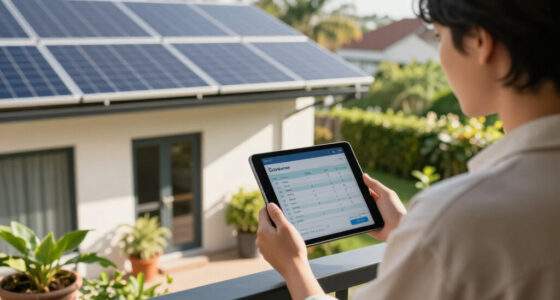
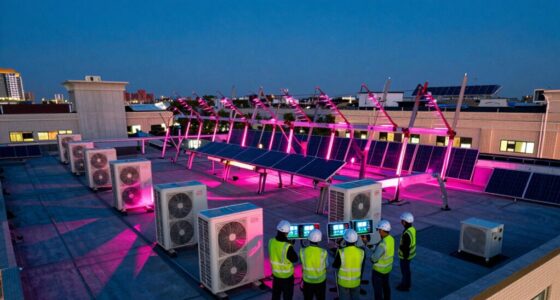
Flexible loads play a crucial role in making your home more sustainable by adjusting energy use based on grid needs. They help absorb excess renewable energy and reduce activity during low generation, stabilizing the system. By participating in demand response, you can save costs and support cleaner energy sources. With new tech, managing these loads gets easier, making your home an active part of a greener future. Keep exploring to discover how you can maximize these benefits.

Get home appliances delivered free with Prime
- Fast, free delivery on millions of items
- Prime Video, Amazon Music and more included
- Member-only deals all year
Key Takeaways
- Flexible loads optimize energy use, enhancing renewable energy integration and reducing reliance on fossil fuels.
- They enable households to participate in demand response, supporting grid stability effortlessly.
- Smart control of flexible loads lowers energy costs through time-of-use pricing and off-peak shifting.
- Technological advancements make flexible loads more accessible, efficient, and effective in home energy management.
- They empower homes to actively contribute to a sustainable, resilient, and cleaner energy future.
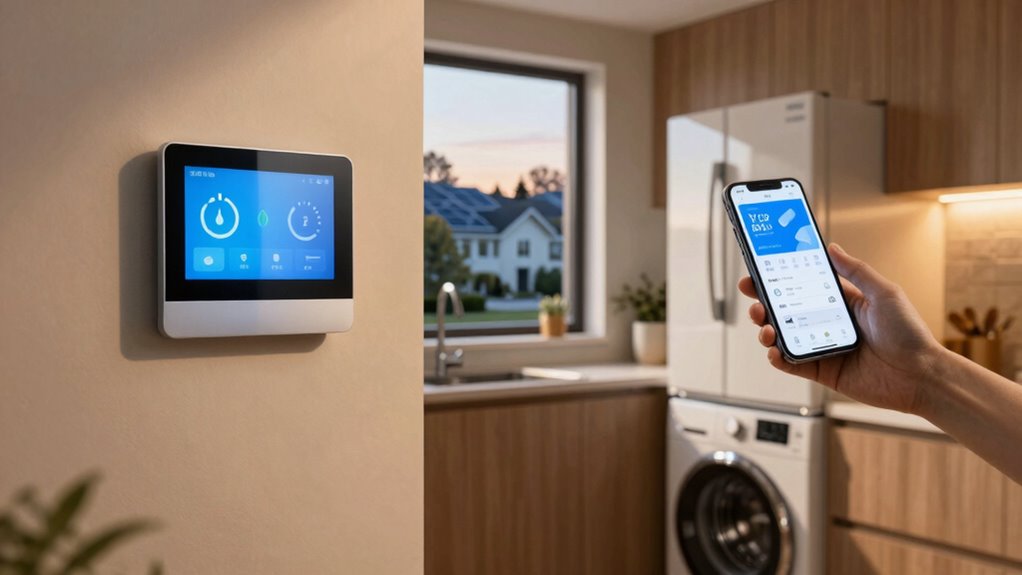
As clean energy homes become more common, flexible loads are playing a crucial role in balancing demand and supply. These loads, such as smart appliances, electric vehicle chargers, and heating or cooling systems, can adjust their operation based on real-time grid conditions. This ability to modulate energy use makes them essential for effective grid balancing, especially as renewable energy sources like wind and solar introduce variability into the power supply. When there’s an oversupply of clean energy, flexible loads can increase their consumption, helping to absorb excess power. Conversely, during periods of low renewable generation, these loads can reduce their activity, easing the strain on the grid. This dynamic responsiveness not only stabilizes the grid but also maximizes the utilization of renewable resources, reducing reliance on fossil-fuel-based backup plants.
Flexible loads help balance the grid by adjusting energy use based on renewable supply and demand fluctuations.
Demand response, a key concept in modern energy management, hinges on the flexibility of these loads. By participating in demand response programs, you can actively contribute to a more resilient and sustainable power system. When the grid signals a need for balancing, your smart appliances or systems can automatically adjust their operation without sacrificing your comfort or convenience. For example, your smart water heater might delay heating during peak demand hours or your EV charger could pause charging when the grid is under stress. This responsive behavior helps utilities manage fluctuations more effectively, ensuring that electricity remains reliable and affordable. You, as a homeowner, benefit from lower energy costs and the satisfaction of supporting a cleaner grid.
Flexible loads also enable you to take advantage of time-of-use pricing, where electricity rates vary throughout the day. By shifting energy-intensive activities to off-peak hours, you save money while contributing to grid stability. As more homes adopt these intelligent systems, the aggregate effect enhances the overall stability of the energy grid. Your participation in demand response programs becomes a critical piece of the puzzle, turning your household into an active participant rather than a passive consumer. This shift not only reduces emissions but also fosters a more resilient energy infrastructure capable of handling the increasing share of renewable energy. Recognizing the importance of flexible loads helps you understand how modern homes can integrate renewable sources more effectively, creating a more sustainable energy future. Additionally, advancements in energy management systems are making it easier for homeowners to optimize their energy use and support grid stability. Understanding how these smart appliances operate within a flexible load framework can empower you to make informed decisions about your energy consumption.
Furthermore, the development of real-time data analytics is providing greater insights into energy patterns, enabling smarter and more responsive control of flexible loads. In essence, flexible loads are the unsung heroes of clean energy homes. They silently and efficiently manage the flow of electricity, ensuring that renewable energy can be maximized and the grid remains stable. As you embrace these technologies, you become part of a smarter, greener energy future—one where demand responds seamlessly to supply, and your home contributes meaningfully to a cleaner planet.
smart home energy management system
As an affiliate, we earn on qualifying purchases.
As an affiliate, we earn on qualifying purchases.
Frequently Asked Questions
How Do Flexible Loads Impact Electricity Bills Long-Term?
Flexible loads substantially lower your long-term electricity bills by enabling load balancing, which optimizes energy use during off-peak hours. This approach results in cost savings because utility rates are often cheaper when demand is low. By shifting energy consumption, you reduce overall energy costs, support grid stability, and make the most of clean energy sources. Over time, these benefits lead to substantial savings and a more sustainable home.
Are Flexible Loads Compatible With All Renewable Energy Systems?
Imagine a home with smart appliances that adjust operation based on solar output; this illustrates flexible loads’ renewable compatibility. They generally work well with most renewable systems, especially when load synchronization is optimized. However, compatibility can vary depending on the system’s technology and control interfaces. You should check if your renewable setup supports flexible load integration to guarantee seamless operation and maximize efficiency.
What Safety Measures Are Needed for Flexible Load Management?
You need to prioritize hardware safety by ensuring all equipment is properly installed and regularly maintained. Implement clear user protocols, such as setting limits on flexible load adjustments and avoiding abrupt changes that could cause electrical issues. Educate yourself on proper operation procedures to prevent safety hazards. Regular inspections and adherence to manufacturer guidelines help protect both your system and household, making flexible load management safe and efficient.
Can Flexible Loads Be Integrated Into Existing Home Appliances?
Yes, flexible loads can be integrated into existing home appliances. Imagine your smart thermostat adjusting temperatures during off-peak hours, while laundry automation schedules wash cycles for maximum energy use. These smart devices seamlessly connect to your home’s energy system, enabling you to save money and support clean energy. With compatible technology, your current appliances become part of a smarter, more efficient energy ecosystem, making a positive impact without needing new gadgets.
How Do Flexible Loads Affect Overall Home Energy Efficiency?
Flexible loads boost your home’s energy efficiency by enabling load prioritization, which shifts energy use to off-peak times, reducing waste. This approach helps you save on energy bills while maintaining user comfort. When your appliances adapt to the grid’s needs, they operate more efficiently, lowering overall consumption. So, flexible loads not only optimize energy use but also support a more sustainable, cost-effective home environment.
Conclusion
Think of flexible loads as the quiet heroes in your clean energy home, patiently balancing the grid like a skilled conductor guiding an orchestra. Just last week, a homeowner shifted laundry to off-peak hours, helping save enough energy to power their evening movie night. These small acts make a big difference—imagine them as the steady rhythm that keeps the symphony of clean energy running smoothly. Embrace your role, and together, you’ll keep the future bright and sustainable.
Fall Picks
fall essentials
As an affiliate, we earn on qualifying purchases.