
When installing a ceiling fan, you must check local regulations and obtain necessary permits from your building department to guarantee safety and code compliance. Permits verify that wiring, support boxes, and mounting methods meet electrical and structural standards, often requiring inspections. Failing to secure proper permits can lead to fines, safety hazards, and warranty issues. Understanding jurisdiction-specific rules is vital—continue exploring to learn how adherence ensures legal and safe installation procedures.
Key Takeaways
- Check local building department requirements to determine if permits are needed for ceiling fan installation.
- Electrical boxes must be rated for fan weight and securely attached to support structures.
- Permits typically require submitting detailed plans and wiring diagrams for approval.
- Inspections ensure the installation complies with safety standards and electrical codes.
- Certain features or modifications may be restricted by regulations, so consult local authorities or professionals.

Installing a ceiling fan often requires adherence to local building codes and safety standards to guarantee proper function and compliance. This process involves understanding the specific regulations set by your jurisdiction, which may include obtaining permits before beginning work. Failing to secure necessary permits can result in fines, invalidation of warranties, or difficulties during property resale. Therefore, it’s essential to verify with your local building department whether a permit is required for ceiling fan installation, especially if electrical wiring modifications or structural changes are involved.
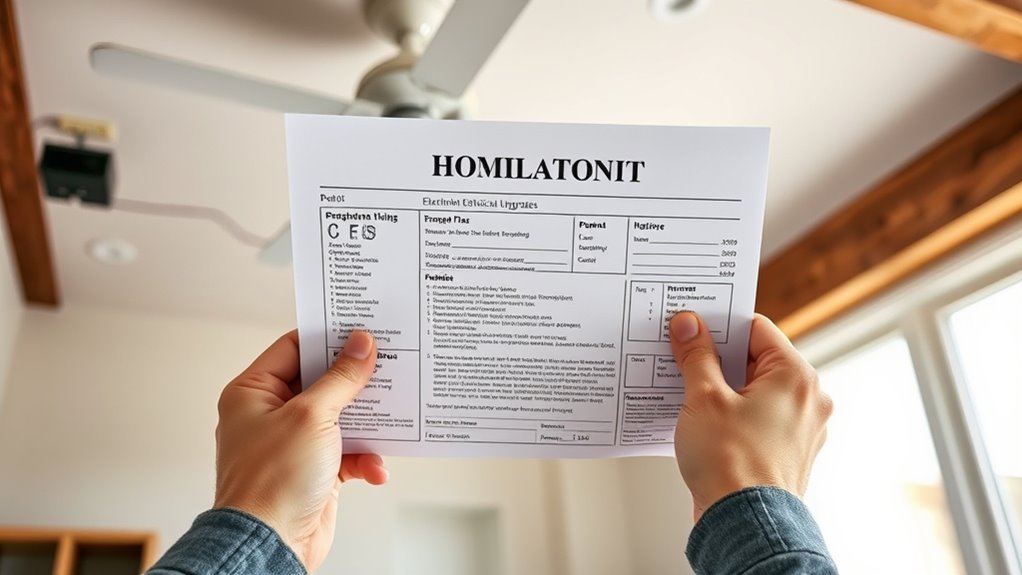
Permits are typically mandated to ensure that electrical work meets safety standards outlined by the National Electrical Code (NEC) and local amendments. When applying for a permit, you usually need to submit detailed plans or diagrams illustrating the installation method, including electrical wiring, switch placement, and support structures. This documentation allows inspectors to verify that the work complies with safety and electrical codes, minimizing risks such as electrical fires, shocks, or structural failure. In most cases, permits are issued to licensed electricians or qualified contractors, but homeowners may be eligible to apply directly or perform the work themselves if they meet specific criteria. However, even DIY installations often require inspections to confirm compliance.
Permits ensure electrical safety and compliance; homeowners may apply or DIY but inspections are often required.
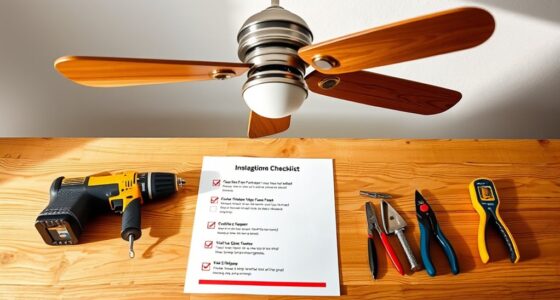
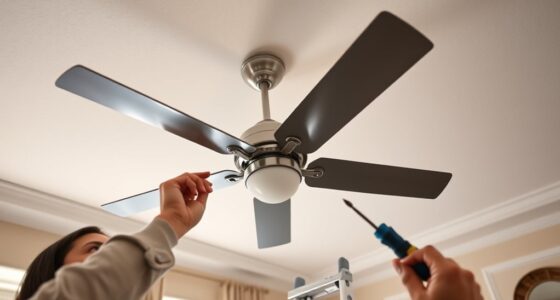
During installation, adherence to safety standards is critical. You must ensure the electrical box is rated for ceiling fan weight and support, as standard electrical boxes may not suffice. The box should be securely fastened to the ceiling joist or a suitable support brace to prevent wobbling or detachment. Wiring must be correctly grounded, with proper connections made using approved connectors and following the color-coding conventions specified by the NEC. The installation process must also include the proper mounting hardware, blade clearance, and switch placement, all in accordance with manufacturer instructions and safety codes. After installation, an inspection by local authorities may be necessary to verify that the work complies with all applicable regulations, allowing you to operate the fan with confidence.
Furthermore, local regulations might impose restrictions on specific features such as remote controls, smart device integrations, or energy efficiency standards, especially in commercial or multi-family residential buildings. These regulations aim to ensure safety, accessibility, and energy conservation. Staying informed about updates to codes and regulations is vital, as non-compliance can lead to legal liabilities or safety hazards. Always consult local authorities or licensed professionals before proceeding with installation to confirm that your work aligns with all applicable permits and standards. Properly navigating these regulations not only guarantees safety but also ensures your ceiling fan installation is legally compliant and durable over time. Additionally, awareness of permit requirements and compliance will help prevent potential delays or penalties during inspections.

iLIVING 12" Wall Mounted Shutter Exhaust Fan, Automatic Shutter, with Thermostat and Variable Speed controller, 0.6A, 960 CFM, 1400 SQF Coverage Area Silver (ILG8SF12V-ST)
POWERFUL AIR VENTILATOR - 960 CFM, 115V, 0.6A, 1/20 Horse Power, 1650 RPM, Coverage up to 1400 square...
As an affiliate, we earn on qualifying purchases.
Frequently Asked Questions
Are There Specific Height Requirements for Ceiling Fan Installation?
Yes, there are specific height requirements for ceiling fan installation. You should mount the fan so that the blades are at least 7 feet above the floor, with a recommended distance of 8 to 9 feet for maximum airflow and safety. If the ceiling is higher, consider extending the downrod to maintain proper clearance. Always follow manufacturer instructions and local building codes to guarantee safe, compliant installation.
Can I Install a Ceiling Fan in a Bathroom or Humid Area?
You can install a ceiling fan in a bathroom or humid area if it’s rated for damp or wet locations, which is essential since over 80% of homes have such fans. Use a fan specifically labeled for damp or wet environments to prevent corrosion and electrical issues. Guarantee proper wiring and follow the manufacturer’s instructions for safety and compliance, as improper installation can lead to malfunctions or hazards.
What Are the Safety Precautions During Ceiling Fan Installation?
During ceiling fan installation, you should always turn off power at the breaker to prevent electrical shock. Use a sturdy ladder and secure the fan to avoid falls. Wear insulated gloves and safety goggles to protect against debris. Confirm wiring connections are tight and properly insulated to prevent shorts. Verify the fan is balanced and securely mounted before restoring power. Follow manufacturer instructions meticulously for a safe, compliant installation.
Do I Need a Licensed Electrician for All Ceiling Fan Installations?
You generally need a licensed electrician for ceiling fan installations if the project involves working with existing wiring, electrical boxes not rated for fans, or significant electrical modifications. For straightforward, ceiling-mounted fan replacements on properly rated boxes, DIY installation might suffice if local codes permit. However, hiring a licensed professional guarantees compliance with safety standards, proper wiring, and reduces your risk of electrical hazards or code violations.
Are There Restrictions on Ceiling Fan Size or Weight for Certain Rooms?
You can generally install ceiling fans of standard sizes in most rooms, but larger or heavier fans require specific considerations. For rooms like large living areas or bedrooms over 400 square feet, make certain the fan’s weight and size meet manufacturer guidelines and local codes. You might need specialized mounting or reinforcement. Always verify your room’s dimensions and fan specifications to guarantee safety, compliance, and peak performance without unnecessary restrictions.
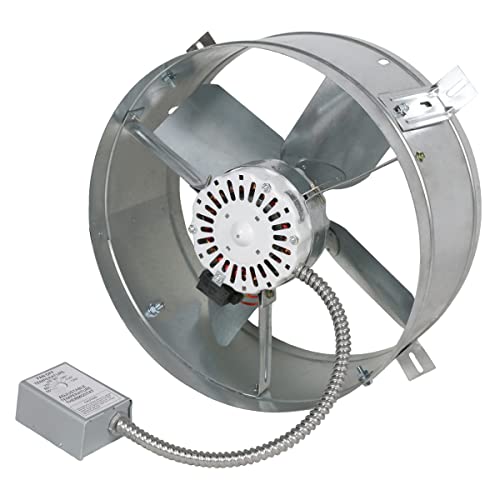
Cool Attic CX1500 Gable Mount Power Attic Ventilator with 2.6-Amp 60-Hz Motor and 14-Inch Blade
Powerful Attic Fans: The 14" attic gable vent fan efficiently ventilates spaces up to 1,850 sq ft, ensuring...
As an affiliate, we earn on qualifying purchases.
Conclusion
Understanding permits and regulations for ceiling fan installations is essential to guarantee safety and compliance. Always verify local codes before beginning your project to avoid potential fines or hazards. Are you prepared to navigate the necessary paperwork and technical requirements? Staying informed and following proper procedures guarantees a secure, efficient installation that meets all legal standards, protecting both your property and yourself. Don’t leave safety to chance—consult professionals or local authorities to ensure your ceiling fan installation adheres to all regulations.

VEVOR 14 inch Exhaust Fan, Wall Mounted Attic Fan with Variable Speed, Temperature & Humidity Controller, 2000 CFM, Automatic Shutter
Rapid Venting: This shutter exhaust fan delivers 2000 CFM to quickly expel stale air, floating dirt, heat, and...
As an affiliate, we earn on qualifying purchases.
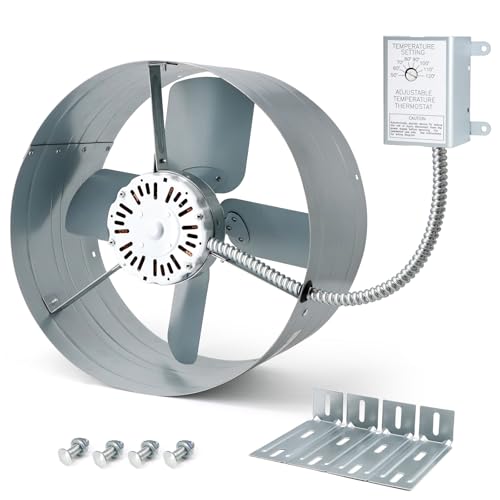
Aibabcue Gable Vent Attic Fan, 15" Exhaust Ventilation Fan with Adjustable Thermostat for Gable, Shed, Home, Garages, 1300 CFM, 1075 RPM, 1850 SQ. FT. Attic Ventilator (1300CFM)
High Ventilation Efficiency:1300 CFM gable attic fan designed specifically for residential attic spaces with ventilation areas up to...
As an affiliate, we earn on qualifying purchases.