
TL;DR

Get home appliances delivered free with Prime
- Fast, free delivery on millions of items
- Prime Video, Amazon Music and more included
- Member-only deals all year
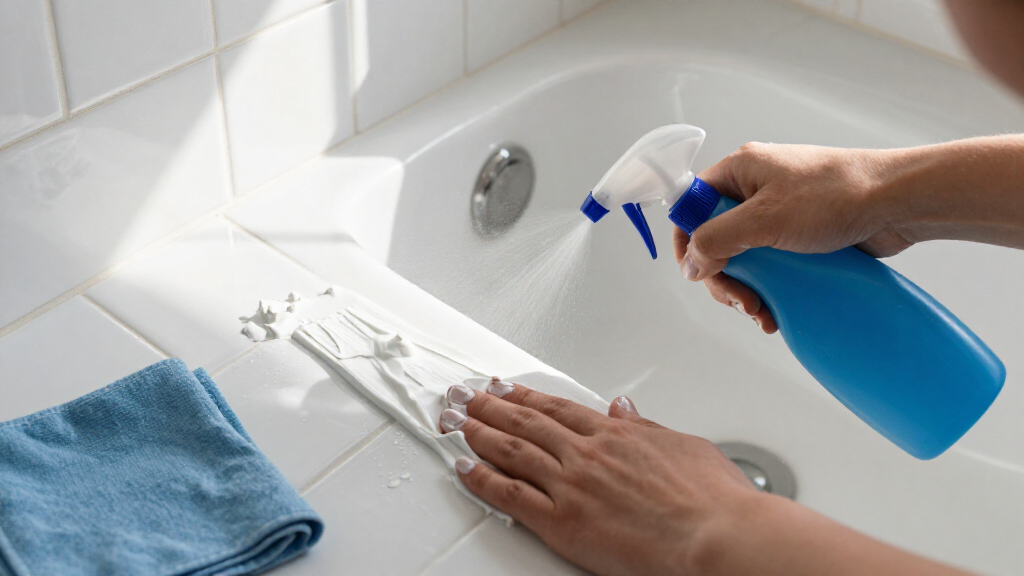
Some DIYers use ammonia-free Windex as a lubricant when smoothing a freshly applied bead of silicone caulk. The glass cleaner may help prevent the caulk from sticking to a finger or finishing tool, but it does not improve adhesion and can interfere if it gets on an area before caulk is applied.
A Hunker report describes a DIY method for smoothing fresh silicone caulk: lightly spray ammonia-free Windex on the bead or on a finishing tool before smoothing. The cleaner is used to reduce sticking during tooling, not to clean the caulk or improve its bond to the joint.
Silicone caulk can cling to a finger or finishing tool as it is shaped, which may leave an uneven surface. The report says the glass cleaner’s slippery surface can help the tool move across fresh silicone and make it easier to form a smooth bead. It recommends the ammonia-free version because it is described as having a lower chance of compromising the caulk; the report does not cite product testing to quantify that risk.
The timing and location of the spray matter. Apply the caulk first, then lightly spray the bead and smooth it promptly, or spray the tool instead. The latter approach may reduce the chance of cleaner reaching an uncovered section of the joint. If Windex gets onto a spot before silicone is applied, it could prevent proper adhesion there, according to the report.
The technique is presented mainly for silicone, which the report describes as harder to tool and clean up than acrylic latex caulk. Acrylic latex is generally easier to smooth and can be cleaned with water, so the same workaround may be less useful. For either material, the report advises preparing a clean, dry joint and applying a consistent bead before smoothing.
A Smoother Bead Without Adhesion Benefits
The distinction between smoothing and bonding is the practical takeaway. Windex may help a finger or tool glide over silicone, but the report does not say it makes caulk adhere more strongly, last longer, or seal more effectively. Treating the spray as a bonding aid—or applying it to the joint before caulking—could undermine the job rather than improve it.
For homeowners, the method offers a possible way to make a difficult finishing step more manageable, particularly around joints where an uneven bead is visible. It is still a technique, not a substitute for proper surface preparation, careful application, or following the product label. Caulk makers may give material-specific instructions, and those instructions should take priority over a general DIY tip.
ammonia-free Windex for caulk smoothing
As an affiliate, we earn on qualifying purchases.
As an affiliate, we earn on qualifying purchases.
Preparation Comes Before Tooling
The Hunker report places the spray step after basic joint preparation. It recommends removing old silicone with mineral spirits or rubbing alcohol, clearing away paint, dirt, grease, and debris, then cleaning and drying the surface before applying new caulk. Solvent use should follow its product label, including any ventilation and handling precautions.
For application, the report advises cutting the nozzle at a 45-degree angle and moving steadily while maintaining consistent pressure. Once the bead is in place, the proposed Windex technique needs to happen quickly: silicone begins forming a skin as it cures, so the report suggests working in smaller sections on larger jobs. Painter’s tape along the edges can also help define the bead and limit cleanup.
Limits of the Windex Recommendation
The report describes the practice as a recommendation from some DIYers and home-improvement enthusiasts; it does not provide controlled testing, a manufacturer endorsement, or comparative measurements of finish quality. The size of any benefit—and whether it varies across silicone products, glass-cleaner formulas, or surfaces—is not established in the supplied material.
It also does not identify a specific Windex formulation by product label or list its ingredients. While it recommends ammonia-free cleaner, readers should check the label of the product they have and the caulk manufacturer’s directions. The report’s caution that cleaner can interfere with adhesion applies to a spot sprayed before caulk is laid; it does not quantify the likelihood or extent of that problem.
Check Labels Before Trying the Method
No formal follow-up test, product update, or scheduled next step is reported. Anyone considering the method should first read the caulk and cleaner labels, confirm that the cleaner is ammonia-free, and avoid spraying exposed areas where caulk still needs to bond. Applying cleaner to the tool rather than directly to the joint is an alternative identified in the report.
After preparing the surface and laying an even bead, work promptly and follow the caulk maker’s instructions for tooling and curing. If those instructions conflict with the Windex tip, follow the product guidance; the available report does not establish that the technique is suitable for every sealant or application.
Key Questions
Why do some people spray Windex on fresh silicone caulk?
They use it as a slip aid while smoothing the bead, so a finger or finishing tool is less likely to stick to the silicone.
Does Windex help caulk adhere?
No adhesion benefit is claimed. The report warns that cleaner on a spot before caulk is applied could interfere with bonding there.
Should Windex go on the caulk or the tool?
The report describes lightly spraying the fresh bead, but also suggests spraying the smoothing tool instead to reduce the chance of cleaner reaching an area that has not yet been caulked.
Is the method recommended for acrylic latex caulk?
The report focuses on silicone, which it says can be harder to tool. Acrylic latex is generally easier to smooth and cleans up with water, so it may not need this technique.
What should I do before applying new caulk?
Remove old caulk and residue, clean and dry the joint, then apply a steady bead. Follow the caulk manufacturer’s preparation and tooling instructions.
Source: rss
Fall yard work Picks
leaf blowers
As an affiliate, we earn on qualifying purchases.