TL;DR
An Apartment Therapy report recommends bringing baked goods intended for the morning after a gathering instead of wine or flowers. The idea is to give hosts something they can enjoy later, with reheating instructions and packaging that makes clear it is not for the party table.
Apartment Therapy recommends a next-morning breakfast gift as an alternative to wine, flowers or sweets brought to a party. The report suggests giving hosts baked goods such as cinnamon buns or banana bread, marked for later, so they are not expected to serve or arrange the gift while managing the gathering.

Get home appliances delivered free with Prime
- Fast, free delivery on millions of items
- Prime Video, Amazon Music and more included
- Member-only deals all year
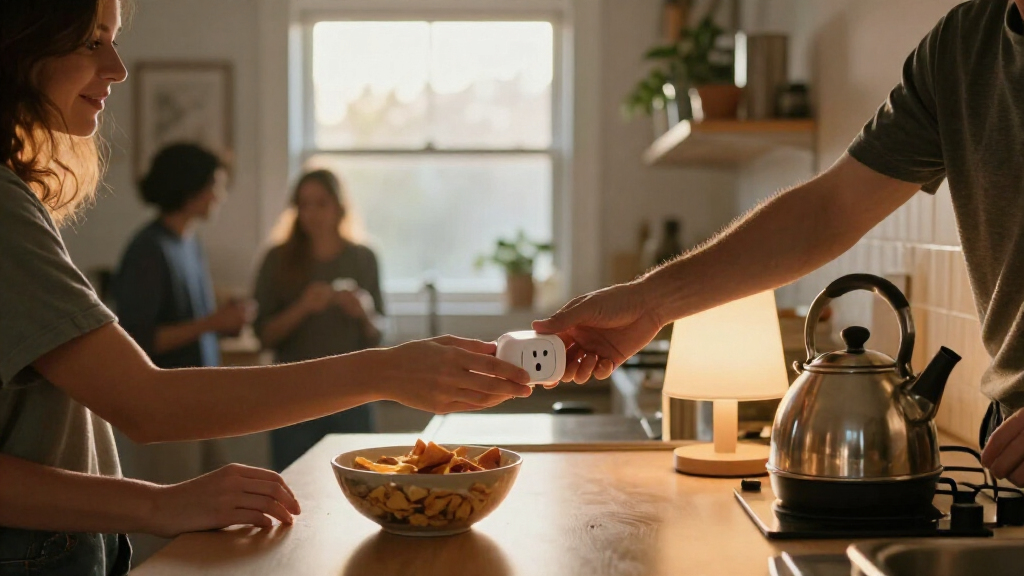
The report, written by Washington, D.C.-based writer Heather Bien, argues that conventional host gifts can create an unspoken task. A host who receives wine may think it should be opened for guests; flowers may need to be cut and put in a vase; candy might appear to be intended for the party. Those reactions are presented as a common hosting pressure, not as a finding from research or a formal survey.
Bien suggests choosing food that is clearly meant to be eaten after the event, rather than something that fits the meal or dessert being served. Her example is baked goods for breakfast the following day, including cinnamon buns that still need baking or a loaf of banana bread. A card with heating instructions can make the timing clear and tell the host how to prepare the gift.
For a baked loaf, the report suggests adding jam or butter, perhaps with a butter knife. It also recommends wrapping the gift in a reusable dish towel and tying it with ribbon. The presentation is meant to be appealing while leaving the host with something easy to store and enjoy later. The author notes that gifts should account for allergies and that items requiring refrigeration may need different handling.
A Gift That Waits Until Morning
The advice addresses the possibility that a party gift may require the host to make room for it, prepare it or share it immediately. A next-day breakfast item is presented as an option that does not require attention during the event, subject to the host’s dietary needs and storage space.
The report distinguishes between a contribution to the meal and a personal gift. A dish intended for the party should be coordinated with the host; a breakfast treat labeled for the next day indicates that it is for the host to enjoy later. This can clarify whether the gift is intended to be opened or served during the gathering.
The recommendation is guidance rather than a universal rule. The report notes that host preferences vary and suggests making a gift’s purpose explicit and considering whether it adds work during the event.
Products Worth Considering

Dyson Airwrap i.d. Multi-Styler with Bluetooth Connectivity

Hisense E6 Cinema Series 85-Inch 4K UHD Hi-QLED Smart Fire TV

Philips Hue Bridge Pro Starter Kit with 4 A19 E26 Color Smart Bulbs
As an affiliate, we earn on qualifying purchases.
Why Party Gifts Can Add Work
Bien’s report describes hosts preparing food, keeping drinks stocked and timing dishes during a gathering. In that setting, an item that needs immediate attention can compete with the work already underway. Flowers require a vase, while food or drink may prompt the host to decide whether to serve it, even if the guest intended it as a private thank-you.
The article also refers to Ina Garten’s support for gifts meant to be enjoyed later, but it does not quote Garten directly or provide a separate source for that point. Bien proposes breakfast for the morning after as one way to apply that idea. The piece presents lifestyle advice based on the author’s experience and judgment; it does not report a new policy, product launch or broader trend supported by data.
““The best host gifts are actually edible, and edible later — not as a pairing with dinner or dessert.””
— Heather Bien, Apartment Therapy contributor
Dietary Needs and Host Preferences
The report does not establish that hosts generally prefer breakfast gifts, nor does it compare reactions to different types of presents. Its recommendation is the author’s advice, and individual preferences will differ. It is also unclear whether a host has allergies, dietary restrictions, refrigeration space or the equipment needed to prepare a particular item. Guests should not assume that homemade food is suitable for everyone.
The article does not specify a standard basket, price range or recipe. It also does not report whether hosts were interviewed or whether any consumer research informed the recommendation. The central point is about making the gift’s timing clear, not proving that baked goods are always better than flowers or wine.
Make the Gift Easy to Enjoy
For guests considering the idea, the report suggests checking for dietary needs when possible, choosing a breakfast item that can be stored safely, and attaching a short note saying it is for the following morning. Include clear heating or serving instructions when needed; for a loaf that is ready to eat, a suitable spread is an optional addition.
Wrapping the food in a reusable dish towel is another suggestion, but the host’s preferences and the item’s storage requirements should guide the presentation. The article offers no follow-up reporting or scheduled next milestone. Its advice is to make the gift’s purpose clear so the host can set it aside and enjoy it after the gathering.
Key Questions
What host gift does Apartment Therapy recommend?
The report recommends baked goods for the next morning, such as cinnamon buns or banana bread, rather than something the host may feel expected to serve during the party.
Why might wine or flowers create extra work?
As described by contributor Heather Bien, wine can seem intended for guests to drink, while flowers may need to be cut and placed in a vase. Those tasks can add to a host’s work during the gathering.
How can guests make clear that the food is for later?
Attach a note saying it is for the morning after and include preparation or reheating instructions if needed. The article also suggests wrapping it in a reusable dish towel.
Should guests bring baked goods if they do not know the host’s dietary needs?
Not without considering the host’s needs. The report acknowledges allergies, and it does not claim that food gifts suit everyone. Guests can ask about restrictions or choose another option the host would welcome.
Source: apartmenttherapy.com