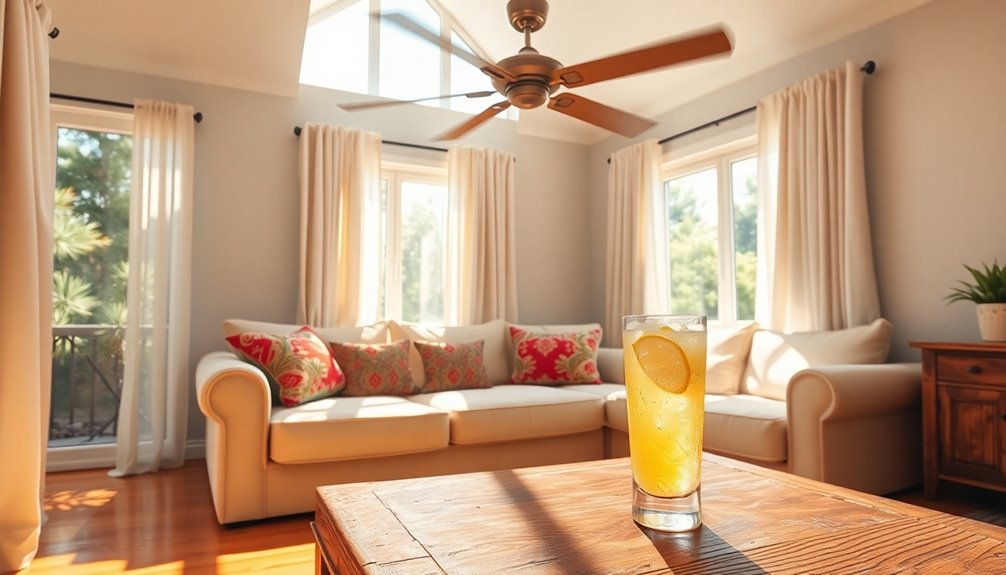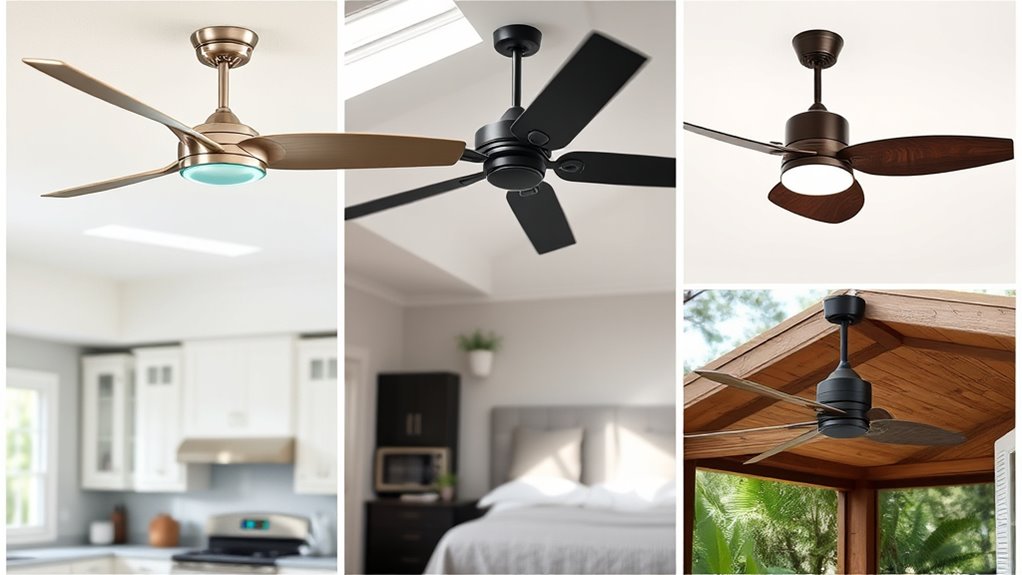
When choosing ceiling fans for kitchens, bedrooms, and patios, focus on style, size, and finishes that enhance each space’s aesthetic—sleek, integrated lighting for kitchens, quiet motors for peaceful bedrooms, and weather-resistant materials for patios. Match blade pitch and reversible features to optimize comfort and seasonal flexibility. Consider how the fan complements your decor, balancing functionality with visual appeal. Keep exploring to discover tips that will help you select the perfect fan for every area.
Key Takeaways
- Select fan size and blade pitch appropriate for each space’s dimensions and airflow needs.
- Match fan style, finish, and blades to room decor for seamless integration and aesthetic appeal.
- Prioritize quiet motors for bedrooms and weather-resistant features for outdoor patios.
- Incorporate features like reversible blades and remote controls for added functionality and seasonal flexibility.
- Ensure energy-efficient models to enhance sustainability and reduce environmental impact.
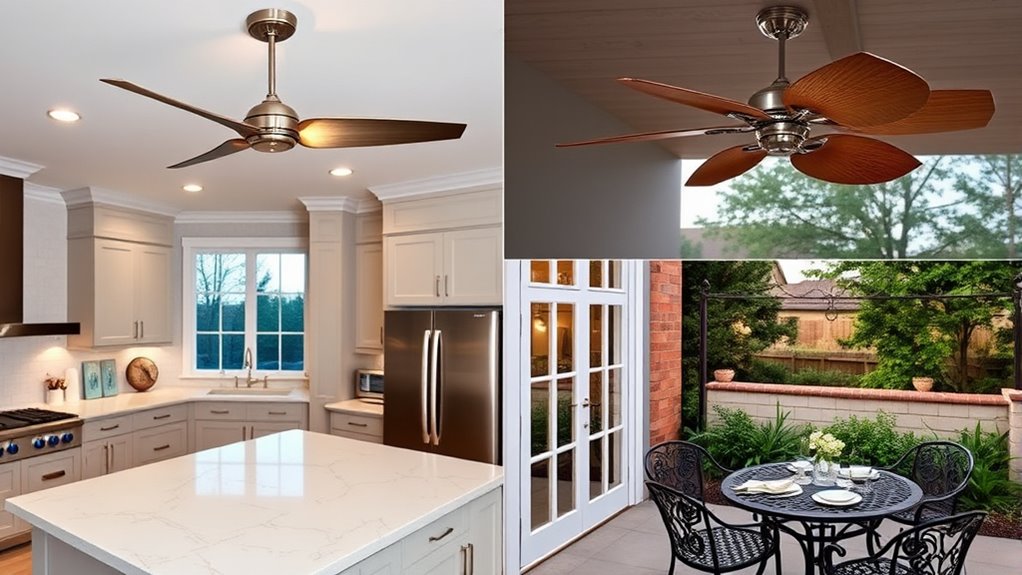
Have you ever considered how a well-chosen ceiling fan can transform both the comfort and aesthetic of a room? It’s not just about circulating air; it’s about enhancing the space’s visual harmony and atmosphere. When selecting a fan for your kitchen, bedroom, or patio, you should think beyond basic function and focus on how the fan complements the room’s design elements. For kitchens, look for sleek designs with integrated lighting that blend seamlessly into the cabinetry or ceiling. A fan with a brushed nickel or matte black finish can add modern sophistication, while a wood-finished blade set introduces warmth and texture. The size matters too—choose a diameter proportional to your kitchen’s dimensions to avoid overpowering or underwhelming the space. Typically, a 52-inch fan suits larger kitchens, delivering effective airflow without disrupting the visual flow.
In bedrooms, comfort and tranquility take precedence. Select a fan with a quiet motor to maintain peaceful sleep environments. The style should echo your room’s decor—if you favor a minimalist aesthetic, opt for fans with clean lines and subtle finishes. For a more vintage or romantic vibe, fans with ornate blades or antique finishes can serve as focal points. The blade pitch influences airflow—roughly 12 to 15 degrees is ideal for gentle, consistent circulation without creating drafts. Consider reversible blades to match seasonal needs and room decor, switching from a light-colored finish in summer to darker tones in winter for a cozy look. Dimming or remote-controlled fans add convenience for creating the perfect ambiance, especially when paired with soft lighting fixtures.
Patios demand durability and visual appeal suited to outdoor conditions. Look for weather-resistant materials like aluminum or specially coated wood blades that resist corrosion. Larger blade spans, around 60 inches or more, ensure ample airflow across open spaces, keeping you cool during warm evenings. Additionally, consider fans with integrated lighting or multiple speed settings to adjust the breeze as needed. Aesthetically, you want a fan that harmonizes with your outdoor decor—rustic wrought iron designs work beautifully in traditional settings, while sleek, modern finishes complement contemporary patios. The visual weight of the fan should balance with your space’s proportions, avoiding bulky fixtures that overshadow the area or tiny fans that seem insignificant.
Ultimately, choosing the right ceiling fan involves a careful blend of function and style, tailored to each room’s purpose and personality. When you select thoughtfully, your ceiling fan isn’t just a device—it becomes an integral part of your interior narrative, elevating both comfort and visual appeal. Additionally, understanding the pollution reduction benefits of energy-efficient fans and their potential to support sustainable living can further enhance your decision-making process.
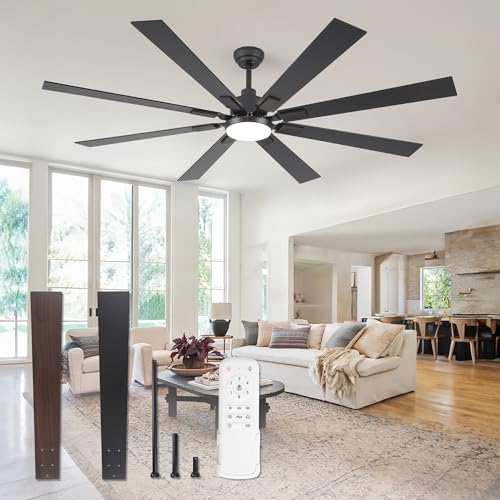
ZMISHIBO 72 inch Large Ceiling Fans with Lights and Remote, Indoor/Outdoor Black Modern Ceiling Fan for Kitchen Living Room Patio, 6 Speed Reversible Quiet DC Motor, 3 CCT, Dual Finish 8 Blades
72 Inch Ceiling Fan: This large ceiling fan includes 4“, 8”, and 24“ down rods, making it a…
As an affiliate, we earn on qualifying purchases.
As an affiliate, we earn on qualifying purchases.
Frequently Asked Questions
How Do I Determine the Right Fan Size for My Room?
To determine the right fan size for your room, measure the space accurately—length and width—and choose a fan with a blade span that fits. For small rooms up to 75 square feet, opt for a 29-36 inch fan. Medium rooms (76-144 sq ft) benefit from a 36-42 inch fan, while larger spaces over 144 sq ft need 52 inches or more. Make sure the fan’s size complements your room’s proportions for maximum airflow and aesthetic balance.
What Safety Features Should I Look for in a Ceiling Fan?
You should look for safety features like a secure mounting system that keeps the fan steady, especially in breezy conditions. A safety cage around the blades prevents accidental contact, and a sturdy pull chain or remote control minimizes risky reaching. Consider fans with an insulated motor housing to reduce heat. These details guarantee your space stays both stylish and safe, allowing peaceful comfort without worry.
Can I Install a Ceiling Fan Myself or Need Professional Help?
You can install a ceiling fan yourself if you’re comfortable with basic electrical work and have the right tools. Carefully follow the manufacturer’s instructions, turn off the power supply, and confirm your ceiling box can support the fan’s weight. However, if you’re unsure or uncomfortable with electrical tasks, it’s best to hire a professional. Proper installation ensures safety, peak performance, and a seamless aesthetic.
How Energy-Efficient Are Modern Ceiling Fans Compared to Air Conditioning?
Modern ceiling fans are like gentle breathers for your space, offering impressive energy efficiency compared to air conditioning. They typically use around 15-30 watts, while AC units consume hundreds of watts. By circulating air effectively, they create a cooling effect without the hefty energy bill. Embracing a ceiling fan means you’re giving your home a gust of fresh savings and comfort, with elegance woven into every rotation.
What Maintenance Is Required to Keep a Ceiling Fan Functioning Properly?
You should regularly clean your ceiling fan blades with a soft cloth to prevent dust buildup, which can affect airflow and efficiency. Check and tighten the mounting bolts to ensure stability, and lubricate the motor if it makes noise. Replace any worn or damaged parts promptly. Turn off the fan before maintenance, and avoid harsh chemicals. Proper upkeep maintains your fan running smoothly, quietly, and extends its lifespan.

addlon Ceiling Fans with Lights, 42 Inch Low Profile Ceiling Fan with Light and Remote Control, Flush Mount, Reversible, 3CCT, Dimmable, Quiet, Black Small Ceiling Fan for Bedroom Indoor/Outdoor Use
Ceiling Fan with Light: Bring more than just wind and light, but comfort! addlon modern ceiling fan, with…
As an affiliate, we earn on qualifying purchases.
As an affiliate, we earn on qualifying purchases.
Conclusion
Now that you’ve explored the nuances of selecting the perfect ceiling fan, you’re equipped to transform your space with both style and comfort. Imagine your kitchen, bedroom, or patio basking in the gentle whisper of a well-chosen fan—evoking a sense of timeless elegance, much like a vintage chandelier illuminating your home’s soul. Trust your eye for detail, and let your personal touch turn everyday rooms into serene retreats that truly reflect your taste and lifestyle.
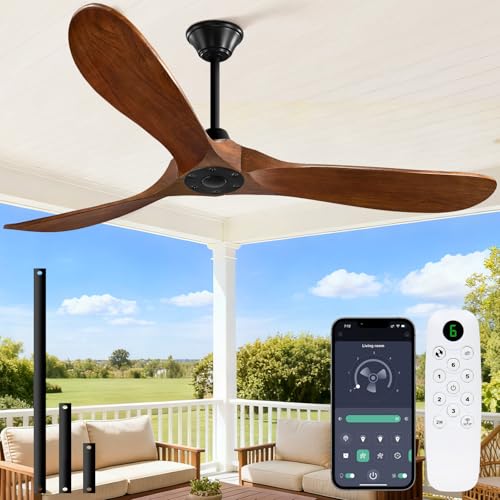
60 inch Outdoor Ceiling Fan No Light for Patios, Ceiling Fans Without Lights with Smart App and Remote Control, Damp Rated 3 Blades Wood Propeller Fan for Exterior Outside Porch, High CFM, Walnut
【Revolutionary Ceiling Fan no light Innovation】 Gleewind 2025 outdoor ceiling fan no light for patios is upgraded in…
As an affiliate, we earn on qualifying purchases.
As an affiliate, we earn on qualifying purchases.

Amico Ceiling Fans with Lights, 42 inch Low Profile Ceiling fan with Light and Remote Control, Flush Mount, Reversible, 3CCT, Dimmable, Noiseless, Black Ceiling Fan for Bedroom, Indoor/Outdoor Use
Ceiling Fan with Light: Decorate your home with Amico ceiling fan! While bringing you coolness and comfort, it…
As an affiliate, we earn on qualifying purchases.
As an affiliate, we earn on qualifying purchases.