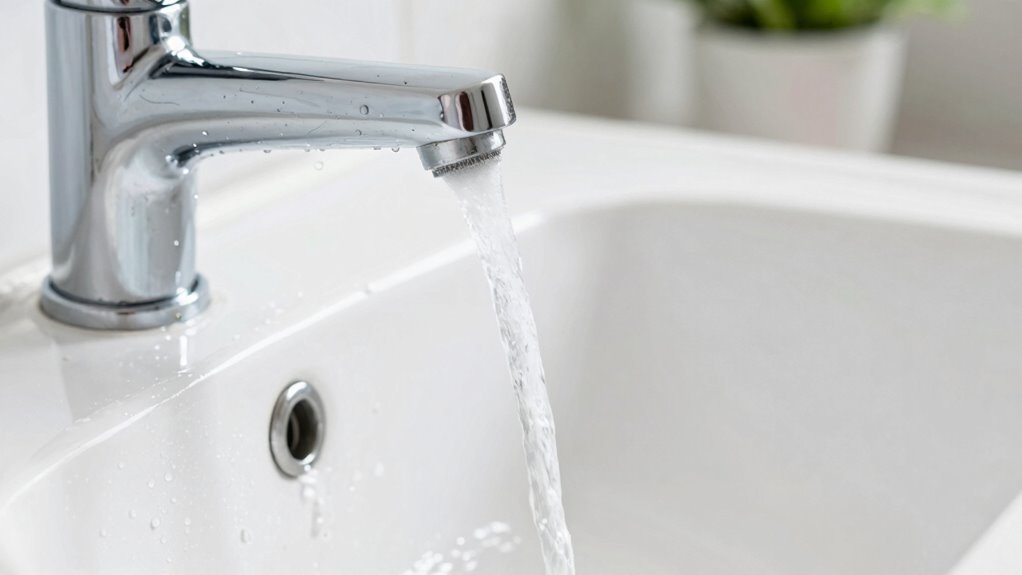

If you leave the tap running while brushing your teeth, you waste more water than many leaks cause over time. Each two-minute brush with the faucet on wastes about 4 gallons, adding up quickly daily. This small habit notably impacts your household’s water use and costs. By turning off the tap, you can save gallons of water and money. Keep going to discover how simple changes can make a big difference.

Get home appliances delivered free with Prime
- Fast, free delivery on millions of items
- Prime Video, Amazon Music and more included
- Member-only deals all year
Key Takeaways
- Leaving the tap running while brushing teeth wastes about 4 gallons of water each session.
- This habit accounts for more water waste than many household leaks combined.
- It contributes significantly to high water bills and unnecessary environmental impact.
- Small routine actions like turning off the tap can drastically reduce overall household water use.
- Proper water habits are more effective in conserving water than fixing leaks alone.
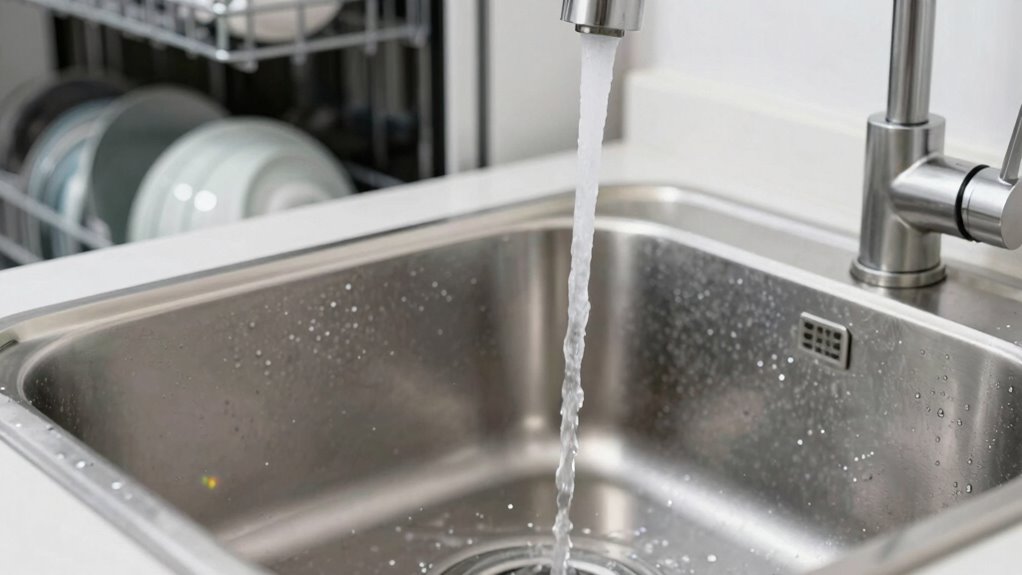
Many homeowners focus on fixing leaks to save water, but there’s a surprisingly common habit that wastes even more: leaving the tap running while brushing your teeth. It’s easy to think that this small act doesn’t add up, but over time, it can waste hundreds of gallons of water annually. This habit undermines your efforts in water conservation and can lead to unnecessary strain on your plumbing system. Turning off the tap while brushing is a simple yet effective way to cut down water waste and help preserve this essential resource.
Turning off the tap while brushing teeth saves water, reduces strain on plumbing, and supports environmental conservation.
When you leave the tap running, you’re not only wasting water but also increasing your water bill. The average faucet releases about 2 gallons of water per minute. If you brush your teeth for two minutes with the tap running, you’re wasting around 4 gallons of water each time. Multiply that by multiple brushing sessions each day, and the numbers become staggering. Over a year, that small, routine habit accounts for thousands of gallons of unnecessary water use. Small changes, like turning off the tap, can considerably impact your household’s overall water consumption.
Beyond water conservation, this habit can indirectly affect your plumbing maintenance. Constantly running water puts extra pressure on your pipes and fixtures, increasing wear and tear over time. While your plumbing might seem sturdy now, neglecting simple habits like turning off the tap can accelerate deterioration, leading to leaks or other plumbing issues down the line. Regularly practicing water-saving habits reduces the likelihood of plumbing repairs, saving you money and inconvenience in the future. Recognizing water wastage as a significant contributor to household water use can motivate more mindful habits, especially since water use impacts plumbing systems can lead to costly repairs if neglected. Additionally, understanding the impact of water use on plumbing systems can encourage more proactive maintenance and conservation efforts. Being aware of household water consumption can further reinforce the importance of mindful water use and motivate ongoing efforts to reduce waste.
Implementing simple habits like turning off the tap can also help you understand and track your overall water use more effectively, fostering a mindset of conservation. Adopting better habits not only benefits your wallet but also supports environmental sustainability. Conserving water reduces the energy needed to heat, pump, and treat water, which in turn decreases your carbon footprint. It’s a small lifestyle change that makes a big difference. Additionally, practicing mindful water use encourages you to think more about how your household consumes resources, fostering a sense of responsibility and environmental awareness.
Incorporating this habit into your daily routine is straightforward. Make it a point to turn off the tap while brushing, and remind others in your household to do the same. You might also consider installing water-efficient fixtures—like low-flow faucets or aerators—to further reduce waste. These simple steps contribute to better water conservation efforts and lessen the strain on your plumbing system. Ultimately, a conscious effort to stop wasting water during routine activities helps protect your home’s plumbing, saves you money, and supports a more sustainable environment.
automatic faucet turn off sensor
As an affiliate, we earn on qualifying purchases.
As an affiliate, we earn on qualifying purchases.
Frequently Asked Questions
How Can I Identify Hidden Water Wastage in My Home?
To identify hidden water wastage, start with leak detection by inspecting your pipes, faucets, and toilets for drips or damp spots. Check for running toilets or unexplained increases in your water bill. Insulate exposed pipes to prevent freezing and leaks. Also, monitor your water meter—turn off all fixtures and see if it moves. These steps help spot hidden leaks and reduce water waste effectively.
Are There Affordable Devices to Monitor Household Water Usage?
You can easily keep an eye on your water use with affordable smart meters and water sensors. These devices act like vigilant guardians, tracking every drop in real-time without breaking the bank. Installing them is simple, and they provide instant insights into hidden leaks or overuse. With this tech, you become the captain steering your water habits, saving money and conserving precious resources effortlessly.
What Are Quick Tips to Reduce Water Waste Daily?
To reduce daily water waste, practice water conservation by turning off taps while brushing your teeth and fixing leaks promptly. Install eco-friendly fixtures like low-flow showerheads and dual-flush toilets to cut water use effortlessly. Take shorter showers and run full loads in your dishwasher and laundry. These small changes add up, saving you money and helping the environment. Making these adjustments guarantees you use water wisely every day.
How Does Water Waste Impact Overall Utility Bills?
Water waste increases your utility bills, draining your wallet with every unnecessary drop. When you adopt water recycling and greywater systems, you reduce consumption, lower costs, and lessen environmental impact. These systems reuse wastewater for irrigation or flushing, saving money and conserving resources. By cutting back on wasteful habits, you not only save on bills but contribute to a more sustainable future, making every drop count and keeping your expenses in check.
Can Water-Efficient Appliances Save Money Long-Term?
Yes, water-efficient appliances can save you money long-term. Eco-friendly fixtures like low-flow showerheads and dual-flush toilets reduce water usage, lowering utility bills. Smart water meters help you monitor consumption in real-time, encouraging conservation. Investing in these appliances not only cuts costs but also benefits the environment. Over time, the savings from reduced water bills and potential incentives make upgrading worth it.
Conclusion
By breaking free from this sneaky water habit, you’re opening the door to a flood of savings and sustainability. Think of your faucet as a silent thief, quietly draining resources without a sound—until now. When you change this habit, you’re not just saving water; you’re planting seeds for a greener, more mindful future. So turn off that tap when not in use, and let your small actions make a tidal wave of difference.
Halloween Picks
halloween
As an affiliate, we earn on qualifying purchases.