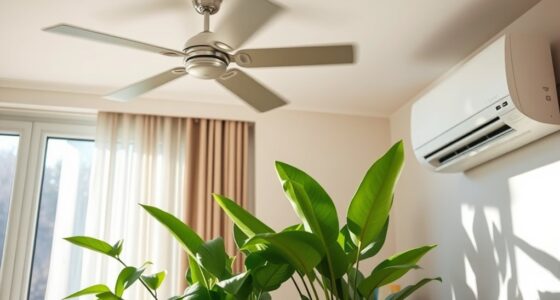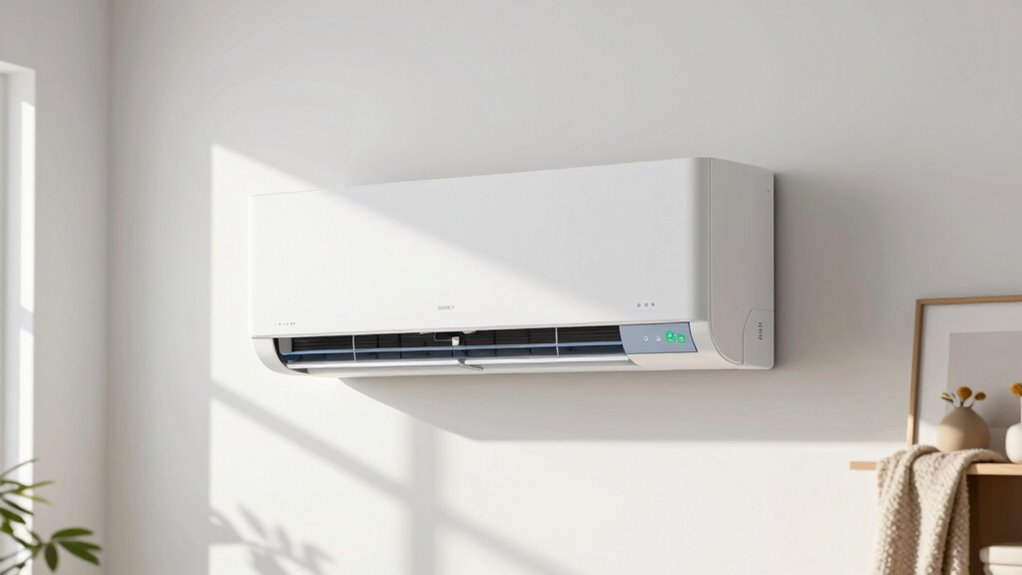

To understand mini split efficiency, focus on SEER and HSPF ratings. SEER measures how well the system cools, while HSPF indicates heating efficiency. Higher scores mean more energy savings and lower bills. Proper installation, refrigerant management, and placement also matter to keep your system running effectively. If you want to learn which features maximize your savings and comfort, keep exploring these key factors that homeowners like you should know.

Get home appliances delivered free — and shop member deals
- Fast, free delivery on millions of items
- Access to Prime Big Deal Days deals on October 6–7
- Prime Video, Amazon Music and more included
Key Takeaways
- SEER measures cooling efficiency; higher ratings mean lower energy bills during summer.
- HSPF indicates heating efficiency; higher values reduce heating costs in winter.
- Proper installation, refrigerant quality, and line sealing are crucial for maintaining system efficiency.
- Correct placement and airflow optimization improve performance and prevent unnecessary energy consumption.
- Choosing a mini split with high SEER and HSPF ratings ensures long-term savings and reliable comfort.
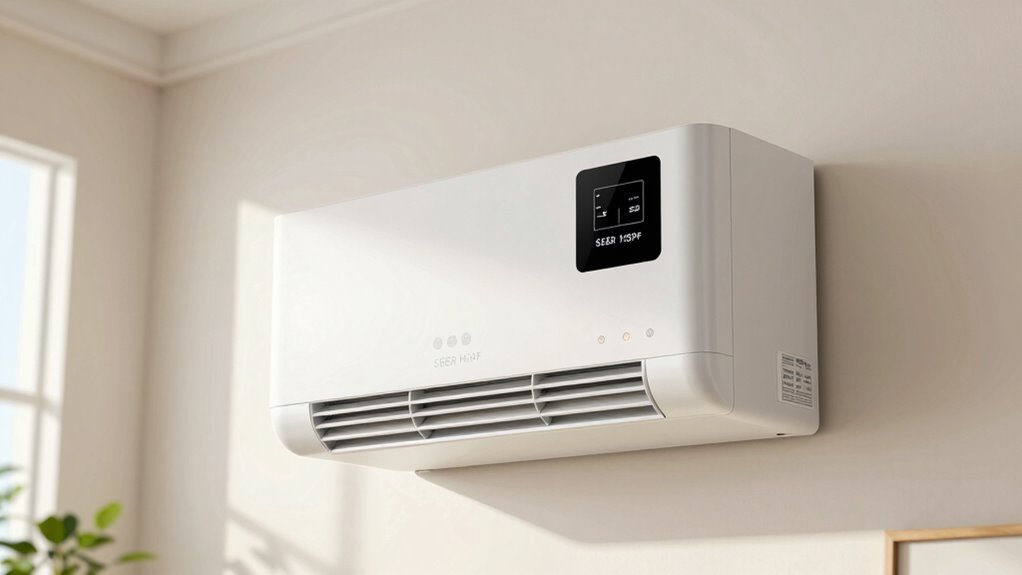
Are you wondering how to get the most out of your mini split system? The key lies in understanding how efficiency ratings like SEER and HSPF impact performance, but it also involves paying attention to details such as refrigerant types and proper installation guidelines. These factors can substantially influence your system’s energy consumption and comfort levels, so it’s worth diving into what matters most for your home.
First, let’s talk about refrigerant types, which are essential for the efficiency and environmental impact of your mini split. Modern systems often use refrigerants like R-410A, known for their lower ozone depletion potential compared to older options like R-22. Choosing the right refrigerant is critical because it affects how well your system transfers heat and how much energy it consumes. When your mini split is installed, the technician should follow strict installation guidelines to ensure the refrigerant lines are properly sealed and charged. Incorrect refrigerant levels or leaks can cause your system to work harder, reducing efficiency and increasing energy bills. So, always confirm that your installer uses the appropriate refrigerant type and adheres to recommended installation practices. Properly sized and sealed refrigerant lines contribute to ideal system performance and longevity, which ultimately translates into better efficiency and lower costs over time.
Beyond refrigerant considerations, understanding the importance of installation guidelines is essential. A professional installer will ensure your mini split is mounted correctly, with the indoor and outdoor units positioned to maximize airflow and minimize energy loss. Proper placement reduces the strain on the system during operation, meaning it won’t need to run as often or work harder to reach your desired temperature. Additionally, the installer should verify that the electrical connections are secure and that any insulation is in place to prevent energy leaks. Following manufacturer instructions and industry standards during installation makes a big difference in achieving high SEER and HSPF ratings. When your system is installed correctly, it operates at peak efficiency, saving you money on utility bills and extending the lifespan of your equipment. Furthermore, understanding the role of field‑of‑view in system placement can help optimize airflow and energy efficiency.
In the end, getting the most out of your mini split involves more than just buying a high-rated unit. It’s about paying attention to refrigerant types, ensuring proper installation guidelines are followed, and positioning your system ideally. These steps help your mini split run smoothly, efficiently, and reliably, providing comfort while keeping energy costs manageable. So, make sure you work with a qualified professional who understands these essentials, and your mini split will serve you well for years to come.
high SEER mini split air conditioner
As an affiliate, we earn on qualifying purchases.
As an affiliate, we earn on qualifying purchases.
Frequently Asked Questions
How Does Climate Affect Mini Split Efficiency Ratings?
Climate considerations considerably impact your mini split’s efficiency ratings. In colder climates, temperature impact can cause the unit to work harder, reducing efficiency and possibly lowering SEER and HSPF ratings. Conversely, in milder climates, your system runs more smoothly, maintaining ideal efficiency. Understanding these climate considerations helps you select a unit suited to your environment, ensuring it performs well and saves you money on energy costs year-round.
Are Higher SEER and HSPF Always Better Investments?
Higher SEER and HSPF ratings often mean better efficiency, but they aren’t always the best investment for everyone. You should weigh the initial cost against potential long-term savings, considering your climate and usage. While a higher rating can reduce your energy bills, the extra upfront expense might not be worth it if you rarely use the system. Focus on finding a balance between cost savings and long-term value.
How Do Installation Quality and Maintenance Impact Efficiency?
Installation quality and maintenance greatly impact your mini split’s efficiency. Poor installation pitfalls, like improper refrigerant levels or incorrect mounting, can reduce performance and increase energy costs. Regular maintenance tips, such as cleaning filters and checking for leaks, help guarantee your system runs smoothly. By prioritizing professional installation and routine upkeep, you maximize efficiency, save money, and enjoy consistent comfort all year round.
Can Mini Splits Still Perform Well in Extreme Temperatures?
Think of your mini split as a skilled swimmer facing choppy waters. In extreme temperatures, its heat pump performance depends on proper insulation, helping it stay afloat. While modern units are designed to handle cold or heat, poor insulation makes it harder for them to perform efficiently. So, verify your home’s insulation is solid; it’s the anchor that keeps your mini split working well, even in the harshest weather.
What Are Common Misconceptions About Mini Split Efficiency?
You might believe the energy myth that mini splits are only efficient in mild weather, but that’s an oversimplification. Modern mini splits are designed to perform well across various temperatures, with high SEER and HSPF ratings ensuring energy savings year-round. Don’t assume they’re inefficient in extreme cold or heat—technology advances mean they adapt, providing reliable comfort without skyrocketing energy bills.
Conclusion
Understanding SEER and HSPF helps you choose a mini split that’s as efficient as a well-tuned engine. By paying attention to these ratings, you can save money and stay comfortable all year round. Think of your mini split as the heart of your home’s comfort system—when it runs efficiently, everything else falls into place. So, take the time to compare models; a smart choice now means cozy, cost-effective living later.
Fall Picks
fall essentials
As an affiliate, we earn on qualifying purchases.