
Smart thermostats are helpful when they’re properly installed, integrated with your home’s system, and used to automate temperature adjustments based on your schedule. They let you control your home remotely and optimize energy use, saving money and energy. However, if your HVAC system is already efficient or you prefer manual control, they may offer little benefit. Want to discover more about when these devices truly make a difference? Keep exploring to learn the details.

Get home appliances delivered free with Prime
- Fast, free delivery on millions of items
- Prime Video, Amazon Music and more included
- Member-only deals all year
Key Takeaways
- They optimize energy use by adapting to user schedules and detecting absence or sleep periods.
- Effectiveness depends on proper setup, maintenance, and compatibility with existing HVAC systems.
- They are less useful in well-insulated homes or those with already efficient, zoned heating and cooling.
- Cost and short-term residence reduce the return on investment and overall benefits.
- User familiarity with app or voice controls influences convenience and the system’s practical value.
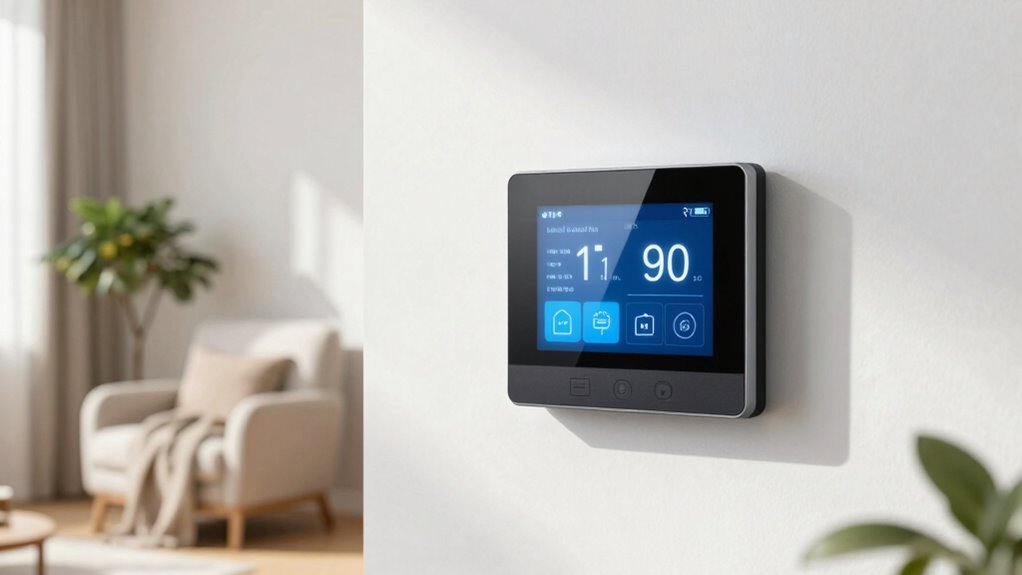
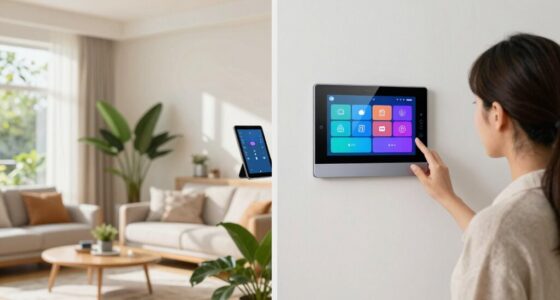
Smart thermostats can profoundly improve your home’s comfort and energy efficiency, but their benefits aren’t always universal. When you install one, you’re likely to notice how seamlessly it adjusts to your schedule, learning your preferences and reducing energy waste. These devices enhance user convenience by allowing you to control your home’s temperature remotely via smartphone or voice commands, making it easier to stay comfortable without constantly fiddling with a dial or manual thermostat. The real strength of smart thermostats lies in their ability to optimize heating and cooling, cutting down on unnecessary energy use and lowering utility bills. They can detect when you’re away or asleep and adjust settings accordingly, preventing energy from being wasted when nobody’s home or when everyone’s tucked into bed. Additionally, their ability to integrate with other smart home devices can further enhance overall home efficiency and automation. It’s worth noting that the effectiveness of these features often depends on how well your existing system is set up and maintained. Proper setup can significantly influence how well these devices perform and deliver savings.
However, the usefulness of smart thermostats isn’t guaranteed in every situation. If your home already has an efficient, well-maintained HVAC system, the incremental savings and convenience might be minimal. Some homes are designed with advanced insulation or zoning systems that already maximize energy efficiency, leaving little room for further improvement. In such cases, investing in a smart thermostat could feel more like a luxury rather than a necessity. Additionally, if you prefer manual control or don’t want to fuss with app interfaces or voice commands, a traditional thermostat might suit you just fine. The user convenience offered by smart thermostats can sometimes be a double-edged sword; if you find the technology cumbersome or unreliable, it might detract from the experience rather than enhance it.
Another factor to contemplate is your climate. In regions with extreme temperatures, a smart thermostat can help maintain comfort and save energy, but in milder climates, the savings might be less noticeable. The initial cost of purchasing and installing a smart thermostat can be a deterrent if you’re on a tight budget or don’t plan to stay in your current home long-term. Plus, if your home isn’t equipped with smart home integration or reliable Wi-Fi, you might not experience the full benefits, rendering the device less effective. Recognizing how your home’s energy efficiency impacts potential savings can help determine if a smart thermostat is a worthwhile investment. Also, understanding the climate conditions of your area can influence whether the device’s advantages are fully realized.
A home automation system that integrates multiple smart devices can further enhance the benefits of a smart thermostat, but this requires additional setup and investment.
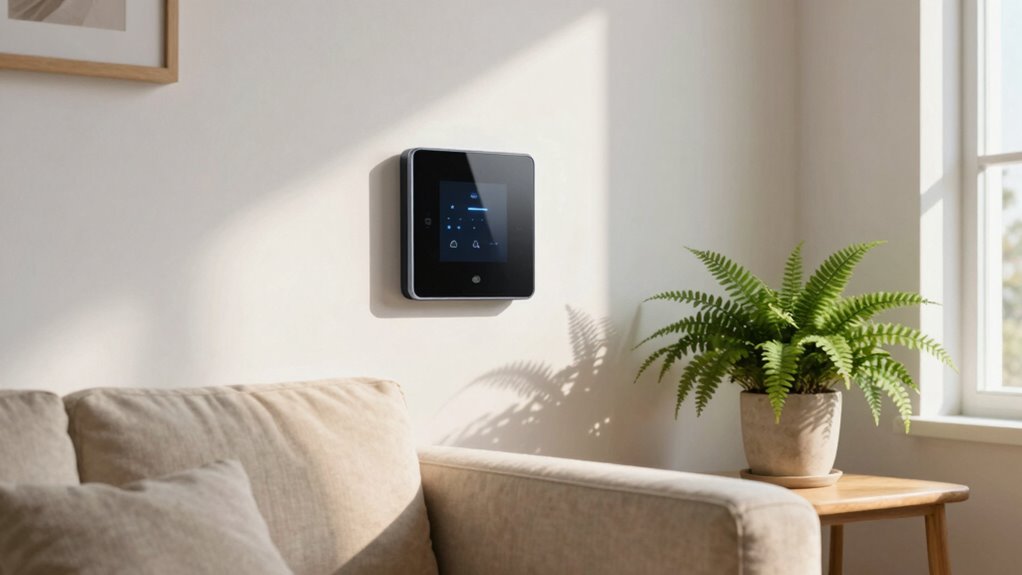
smart thermostat with voice control
As an affiliate, we earn on qualifying purchases.
As an affiliate, we earn on qualifying purchases.
Frequently Asked Questions
How Do Smart Thermostats Save Energy Compared to Traditional Ones?
Smart thermostats save energy by using advanced energy-saving algorithms to optimize heating and cooling schedules. They learn your routines and adjust settings based on your behavior, preventing unnecessary energy use. By automatically reducing temperature when you’re away or asleep, they guarantee efficiency. This personalized approach helps lower energy bills and reduces environmental impact, making them more effective than traditional thermostats, especially when you’re consistent with your daily routines.
Are Smart Thermostats Compatible With All Heating and Cooling Systems?
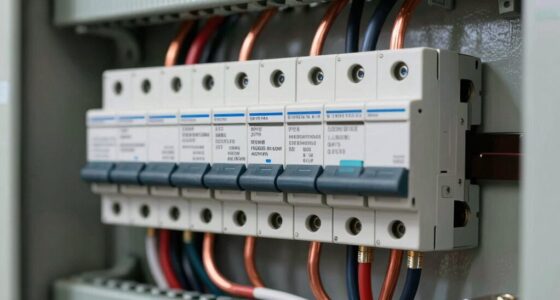
Think of your heating and cooling system as a puzzle piece; a smart thermostat needs to fit perfectly. Not all systems are compatible, so check system compatibility first. Installation requirements vary—some may need professional setup, while others are simple to install. Before buying, verify if your system supports a smart thermostat to guarantee smooth operation and avoid costly modifications.
What Privacy Concerns Are Associated With Smart Thermostats?
You should be aware that smart thermostats can raise privacy concerns, especially regarding data collection. Manufacturers often collect usage data, which could be vulnerable if not properly protected. To safeguard your privacy, look for models with data encryption and features that support user anonymity. Be cautious about sharing personal information, and regularly review privacy settings to guarantee your data remains secure and your household’s privacy is maintained.
Can Smart Thermostats Be Controlled Remotely Without Internet?
You can’t control smart thermostats remotely without internet because they rely on remote access via online connections. However, some models offer offline control through physical buttons or local controls, allowing you to adjust settings without internet. If you want to manage your thermostat remotely, make sure it has internet access. Without it, your control options are limited to offline methods, which means you won’t be able to change settings remotely.
Do Smart Thermostats Require Professional Installation?
You don’t always need professional installation for smart thermostats; many models support a DIY setup. However, if your HVAC system is complex or if you’re not comfortable working with wiring, professional installation guarantees everything’s done safely and correctly. While some smart thermostats are designed for easy self-installation, hiring a professional can save you time, prevent errors, and guarantee peak performance, especially in more intricate systems.
Conclusion
Smart thermostats can cut your energy bills by up to 10%, making them a smart investment if you’re tech-savvy and home often. But if you already have a traditional system or live in a small, well-insulated space, they might not make as much of a difference. Remember, their true value lies in convenience and learning your habits—so consider your lifestyle before jumping in. After all, technology only works if it fits your needs.
Cold & flu season Picks
humidifiers
As an affiliate, we earn on qualifying purchases.