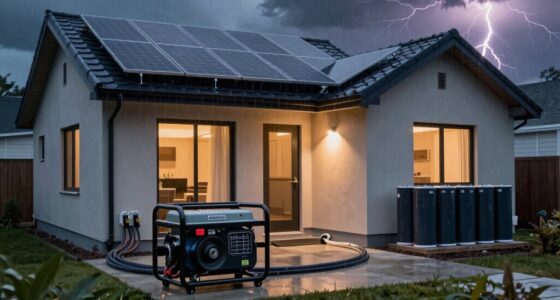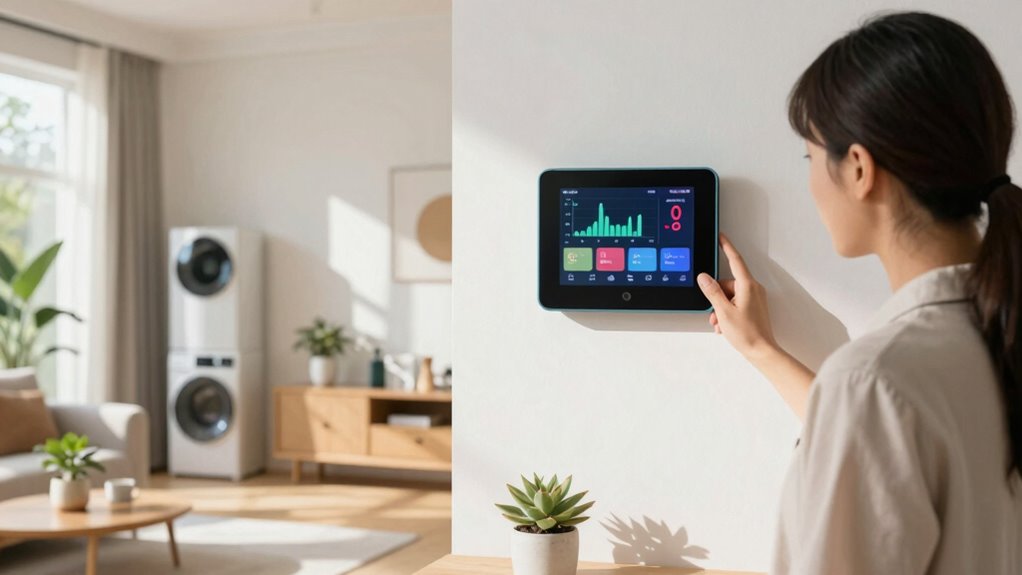

Understanding your home’s energy use helps you make smarter upgrade choices by identifying cost-saving and eco-friendly options. When you know where energy is wasted, you can seal leaks, install efficient windows, or add solar panels with confidence. Awareness of incentives makes upgrades more affordable, while tracking utility bills shows your progress. Building energy literacy boosts your savings, reduces environmental impact, and supports cleaner policies. Keep exploring to uncover more ways to optimize your home for savings and sustainability.

Get home appliances delivered free with Prime
- Fast, free delivery on millions of items
- Prime Video, Amazon Music and more included
- Member-only deals all year
Key Takeaways
- Understanding energy consumption helps identify cost-effective and impactful upgrades for your home.
- Energy literacy enables better evaluation of incentives and rebates for renewable projects.
- Knowledge of appliance efficiency guides smarter replacement choices, maximizing savings.
- Monitoring utility bills and meters tracks progress and informs ongoing energy improvements.
- Awareness of environmental impact encourages prioritizing upgrades that reduce greenhouse gas emissions.
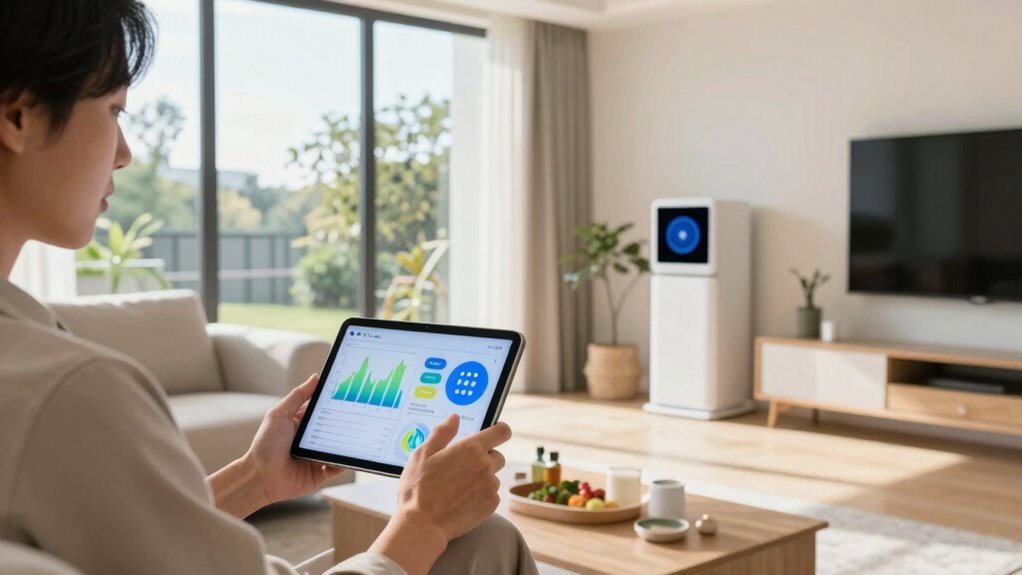
Have you ever wondered how much your home’s energy use impacts your wallet and the environment? Understanding your energy consumption isn’t just about saving money; it’s about making smarter choices that benefit the planet. When you become more energy literate, you gain the knowledge to identify effective upgrades and take advantage of renewable incentives that encourage sustainable living. Knowing how energy conservation works empowers you to prioritize improvements that deliver real results, both financially and environmentally.
Understanding your home’s energy use helps save money and protect the planet through smarter choices and sustainable upgrades.
Being aware of your home’s energy footprint helps you recognize the areas where you can make impactful changes. For example, simple upgrades like sealing leaks and installing energy-efficient windows can substantially cut down heating and cooling costs. When you understand how these small adjustments contribute to energy conservation, you’re more motivated to implement them. Plus, with increased energy literacy, you’ll be better equipped to evaluate the value of more substantial investments, such as solar panels or smart thermostats. These upgrades can not only lower your energy bills but also qualify you for renewable incentives offered by government programs or utility companies. These incentives are designed to offset the initial costs of renewable energy projects, making sustainable upgrades more accessible. Gaining home energy literacy helps you better understand how your household’s overall energy use impacts your bills and the environment.
Informed decisions about home improvements lead to better long-term savings. When you know which appliances consume the most energy, you can prioritize replacing outdated devices with ENERGY STAR-rated options. This targeted approach maximizes the impact of your investments and ensures your money is spent where it counts most. Additionally, understanding how to read your utility bills and energy meters helps you track your progress over time. As your energy literacy grows, you’ll see how specific upgrades translate into tangible savings, reinforcing the importance of ongoing energy conservation efforts. Energy literacy also involves understanding the role of renewable incentives and how they can support your upgrade choices. Furthermore, increasing your knowledge about home energy footprint can help you better understand the cumulative impact of your household’s energy use. Recognizing the importance of energy conservation can motivate you to adopt habits that reduce waste and improve efficiency. Learning about the benefits of energy efficiency can inspire further improvements and sustainable habits that extend beyond your home.
Taking the time to educate yourself about energy efficiency not only benefits your household but also supports larger environmental goals. When you leverage renewable incentives, you’re encouraging the shift toward cleaner energy sources. This proactive stance reduces reliance on fossil fuels and lowers greenhouse gas emissions. Your knowledge empowers you to advocate for policies and programs that promote renewable energy, creating a ripple effect that extends beyond your home. Ultimately, being well-versed in home energy literacy helps you make better upgrade decisions—ones that save you money, conserve resources, and contribute to a sustainable future.
As an affiliate, we earn on qualifying purchases.
Frequently Asked Questions
How Do I Assess My Current Home Energy Efficiency?
To assess your home’s energy efficiency, start by inspecting your home insulation—look for gaps or areas where insulation may be lacking. Next, schedule an energy audit with a professional, who can identify leaks, drafts, or inefficient systems. An energy audit provides detailed insights, helping you understand where to focus upgrades. Improving insulation and addressing issues found during the audit can considerably boost your home’s energy performance.
What Are the Most Cost-Effective Energy Upgrades?
The most cost-effective energy upgrades include adding insulation, sealing leaks, and installing programmable thermostats. Consider renewable options like solar panels or solar water heaters, which can reduce long-term costs. Smart technologies, such as energy-efficient lighting and smart meters, help you monitor and optimize energy use. These upgrades save money over time, improve comfort, and boost your home’s efficiency, making them worthwhile investments for your household.
How Long Does It Take to See Energy Savings After Upgrades?
You’ll see energy savings within days or weeks after upgrades, especially if you’ve completed an energy audit and installed smart meters. These tools help you monitor changes quickly, identify areas for improvement, and track your progress. By actively engaging with your energy data, you can optimize usage, reduce costs, and enjoy the benefits sooner. The key is consistency and awareness, ensuring your investments pay off faster and more effectively.
Are There Government Incentives for Home Energy Improvements?
Yes, there are government incentives for home energy improvements. You can take advantage of renewable incentives and tax credits that make upgrades more affordable. These incentives often cover solar panel installations, energy-efficient windows, or insulation. By understanding your home energy literacy, you’ll know which incentives apply to your upgrades. Act now to maximize savings and reduce your energy costs while contributing to a greener environment.
How Can I Involve Family Members in Energy Literacy Efforts?
You can involve family members in energy literacy efforts by making it a fun, shared activity. Encourage family involvement through energy education games or discussions about saving energy at home. Share simple tips and benefits, and set collective goals. You might also watch educational videos together or analyze your energy bills as a team. This approach fosters teamwork, increases awareness, and helps everyone understand the importance of energy-efficient upgrades.
Conclusion
By understanding home energy, you hold the keys to transforming your space into a sanctuary of efficiency. With each smart upgrade, you paint a brighter future—one where your home breathes easier and your wallet breathes longer. Think of yourself as the captain steering your energy ship through calm and stormy waters alike. The more you learn, the clearer your course becomes, guiding you toward smarter choices that light the way to a more sustainable, comfortable home.
Halloween Picks
halloween
As an affiliate, we earn on qualifying purchases.