
Relying only on an air purifier isn’t enough during wildfire smoke events because it doesn’t address outdoor air quality or broader environmental factors. To truly protect yourself, you need proper ventilation control, sealing gaps, and managing indoor air movement. Monitoring air quality helps you decide when to ventilate or stay sealed. Community awareness and coordinated efforts make a big difference too. If you want to learn more about building a thorough wildfire smoke plan, keep exploring these strategies.

Get home appliances delivered free with Prime
- Fast, free delivery on millions of items
- Prime Video, Amazon Music and more included
- Member-only deals all year
Key Takeaways
- Air purifiers only reduce indoor smoke particles but don’t address outdoor air quality or environmental factors.
- Effective wildfire smoke planning requires proper ventilation, sealing gaps, and managing indoor-outdoor air exchange.
- Monitoring outdoor and indoor air quality helps inform timely actions beyond just using purifiers.
- Community awareness and communication are essential for coordinated responses and minimizing health impacts.
- A comprehensive strategy combining filtration, ventilation, and information sharing offers better protection during wildfire events.
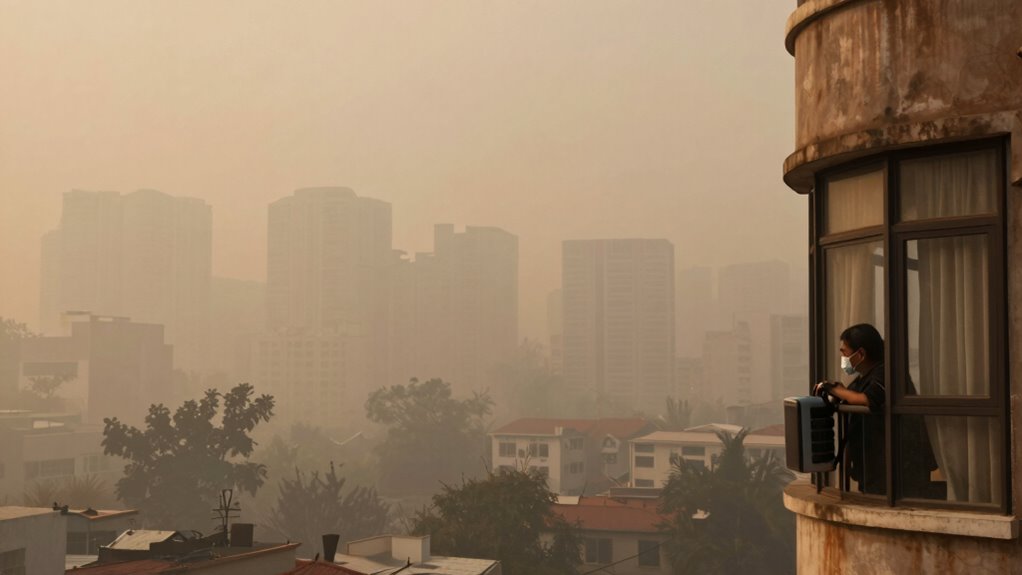
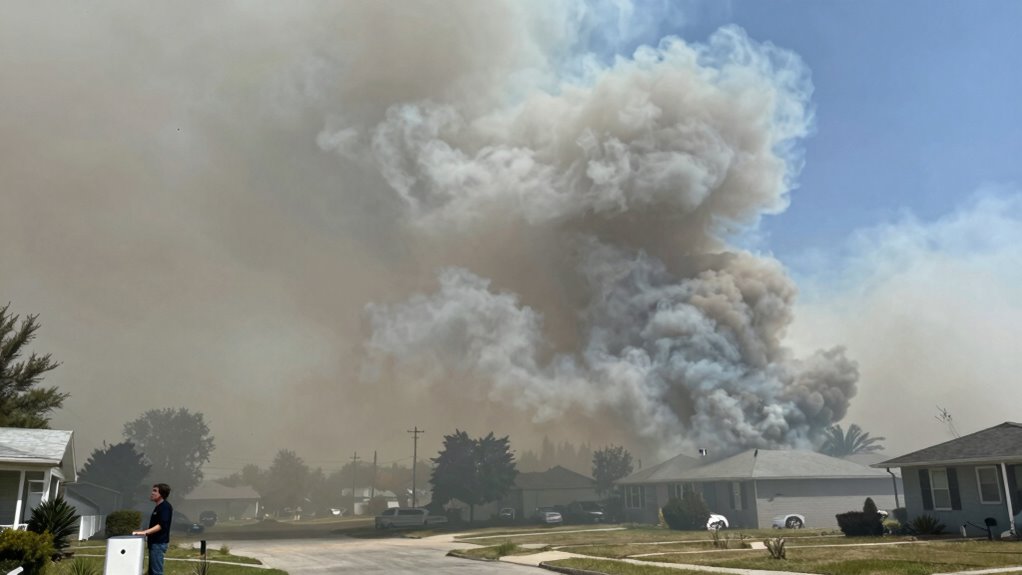
As wildfire seasons grow longer and more intense, it’s essential to develop a thorough wildfire smoke planning strategy. Relying solely on an air purifier isn’t enough to protect your health or your community. While air purifiers can reduce indoor smoke particles, they don’t address the root of the problem—outdoor air quality and the broader community response. To truly safeguard yourself and your loved ones, you need a multi-layered approach that emphasizes indoor ventilation and community awareness.
Longer, more intense wildfire seasons demand comprehensive strategies beyond air purifiers—focusing on indoor ventilation and community awareness.
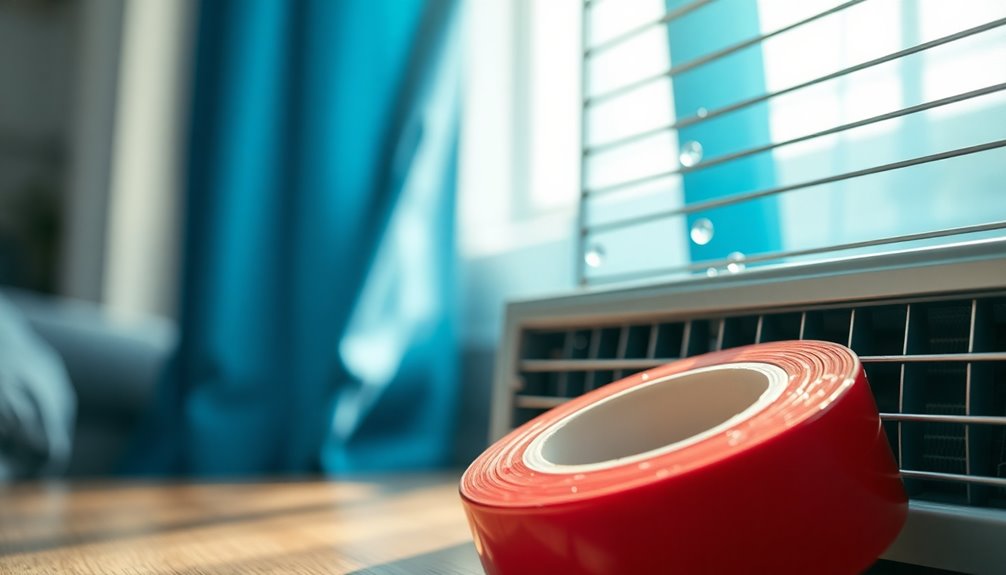
Indoor ventilation plays a critical role in maintaining healthy indoor air quality during wildfire events. Proper ventilation helps control the exchange of indoor and outdoor air, which is vital when outdoor air is laden with smoke. Sealing gaps around windows and doors can prevent smoke infiltration, but you also need to ensure that your indoor air is fresh and safe. Using exhaust fans, HEPA filters, and air exchange systems can help remove indoor pollutants and bring in cleaner air from less contaminated areas. It’s also important to avoid activities that generate indoor pollutants, like smoking or burning candles, during smoke events. Good indoor ventilation isn’t just about filtering the air; it’s about managing how air moves through your living space, reducing the risk of smoke buildup. Additionally, understanding indoor air quality management techniques can further enhance your preparedness during wildfire seasons. Incorporating outdoor air quality awareness into your planning can help determine the best times to ventilate or seal your home. Monitoring air quality monitoring tools and understanding indoor air quality levels can help you make better decisions about when to open or close windows. Staying informed about air quality data can also help you adapt your actions in real time.
Community awareness is equally vital in wildfire smoke planning. When everyone understands the risks and knows how to respond, the collective effort can significantly minimize health impacts. Local authorities, health agencies, and community groups should share timely information about air quality levels, protective measures, and evacuation plans. Educating your neighbors about the importance of indoor ventilation and proper filtration techniques fosters a more resilient community. It’s also essential to establish communication channels so that updates on smoke conditions reach everyone promptly. The more aware you are of the current air quality and the community’s resources, the better you can adapt your plans to stay safe.
Ultimately, wildfire smoke planning isn’t just about buying an air purifier or closing windows. It’s about creating a comprehensive strategy that integrates indoor ventilation practices with community awareness efforts. By doing so, you not only protect your immediate environment but also contribute to a well-prepared community capable of facing increasingly severe wildfire seasons. Staying informed, managing indoor air quality, and sharing knowledge with others are key steps to navigate the health challenges posed by wildfire smoke effectively.
Products Worth Considering

Levoit Vital 200S-P Smart Air Purifier for Large Rooms

Levoit Core 600S-P Smart Air Purifier for Large Rooms

Blueair Blue Pure 211i Max Air Purifier
As an affiliate, we earn on qualifying purchases.
Frequently Asked Questions
How Long Does Wildfire Smoke Typically Stay in the Air?
Wildfire smoke can linger in the air for several hours to weeks, depending on weather conditions and fire intensity. You might notice poor air quality for days, especially if winds keep the smoke concentrated. Smoke duration varies with wind speed and atmospheric stability, so it’s essential to monitor local air quality updates. Relying solely on an air purifier isn’t enough—you need to stay informed and take additional protective steps during prolonged smoke events.
Are There Health Risks From Long-Term Wildfire Smoke Exposure?
You might not see immediate harm, but long-term wildfire smoke exposure can silently threaten your indoor air quality and respiratory health. Over time, particles embed deep in your lungs, risking chronic issues like asthma or lung disease. The danger isn’t just fleeting; it’s an ongoing threat that demands more than an air purifier. Protect yourself by taking all-encompassing steps to improve indoor air quality and guard your respiratory health now.
Can Indoor Plants Help Filter Wildfire Smoke?
Indoor plants can help improve indoor air quality, but they shouldn’t be your sole defense against wildfire smoke. While plant benefits include some air filtering, they’re limited in reducing harmful particles from wildfire smoke effectively. To protect yourself, combine indoor plants with air purifiers and proper ventilation. This multi-layered approach guarantees better indoor air quality and reduces health risks associated with prolonged wildfire smoke exposure.
What Are the Best Ways to Protect Children During Smoke Events?
To protect children during smoke events, prioritize child safety by keeping them indoors as much as possible. Use effective air filtration systems, like HEPA filters, to reduce indoor pollution. Make certain windows and doors are sealed tightly, and avoid outdoor activities. Regularly monitor air quality reports and create a safe, clean environment inside. These steps help minimize health risks and keep children protected from harmful wildfire smoke.
How Do Wildfire Smoke Impacts Vary by Geographic Location?
Wildfire smoke paints a different picture depending on where you are, like a chameleon adapting to its surroundings. Your region’s fire patterns and air quality disparities shape how much smoke affects you. If you live near active forests, you’ll face higher exposure, while urban areas might experience diluted smoke. Knowing your local fire trends helps you prepare better, because understanding regional nuances is key to safeguarding your health during wildfire seasons.
Conclusion
You realize that relying solely on an air purifier isn’t enough during wildfire season. Effective planning requires a combination of strategies—like creating defensible spaces, monitoring air quality, and having emergency plans in place. Did you know that wildfire smoke can travel over 1,000 miles, affecting air quality far from the flames? By expanding your approach, you better protect yourself and your loved ones from the hidden dangers of smoke, ensuring safety beyond just cleaner air indoors.