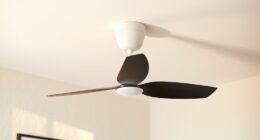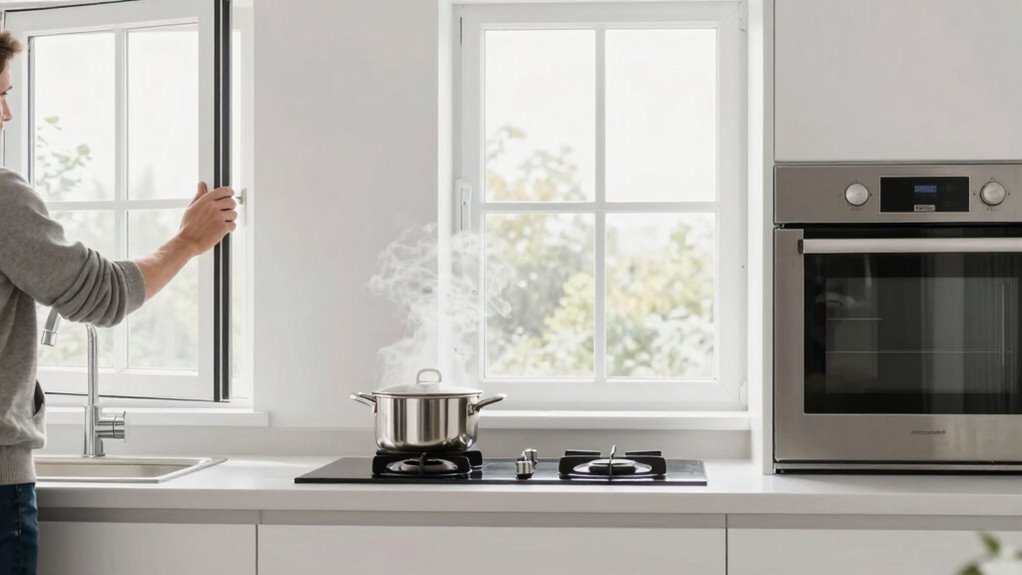

Even if you choose low-VOC products, you still need good ventilation because these products can release chemicals over time, contributing to indoor air pollution. Proper airflow helps dilute lingering emissions and removes residual chemicals, creating a healthier environment. Ventilation is essential to prevent pollutants from building up and affecting your health. Keep in mind that relying solely on eco-friendly products isn’t enough—proper ventilation plays a key role. To understand more about maintaining indoor air quality, stay with us.

Get home appliances delivered free with Prime
- Fast, free delivery on millions of items
- Prime Video, Amazon Music and more included
- Member-only deals all year
Key Takeaways
- Low-VOC products still emit residual chemicals that can accumulate without proper airflow.
- Ventilation helps dilute and remove off-gassed pollutants over time.
- Even eco-friendly products require fresh air to maintain healthy indoor air quality.
- Inadequate ventilation allows lingering emissions to build up, impacting health.
- Combining low-VOC choices with effective ventilation ensures a safer indoor environment.
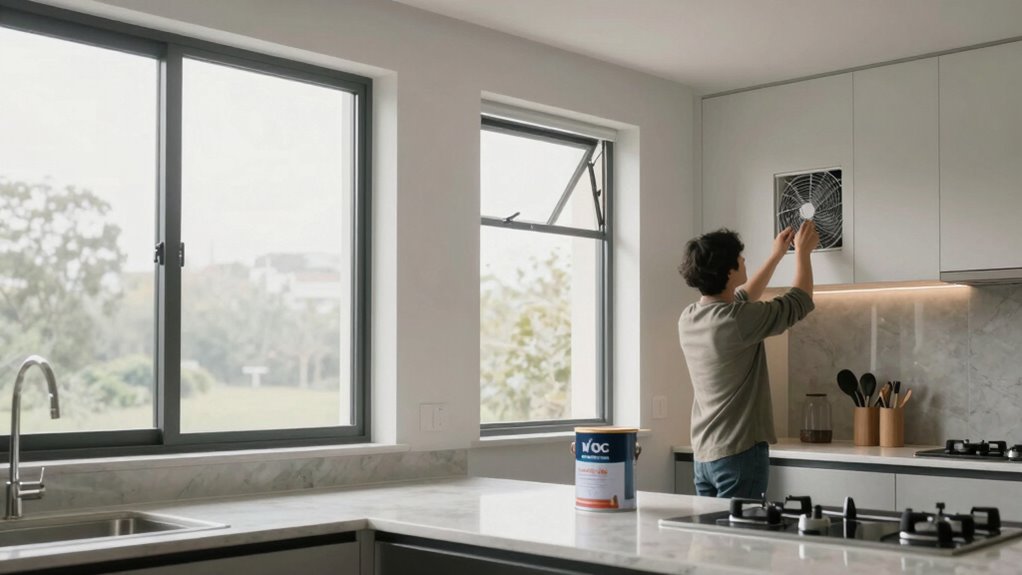
Are you aware of how indoor air quality can be affected by the products you use? Even if you opt for low-VOC (volatile organic compound) products, it’s important to recognize that they don’t eliminate all indoor air pollutants. Low-VOC options are a step in the right direction, but they still release some emissions into your home’s air. That’s why proper ventilation remains crucial. Good air exchange helps dilute any lingering chemicals, reducing the risk of indoor air pollution buildup. Without it, even the safest products can contribute to poor air quality over time.
Many assume that choosing low-VOC products means they no longer need to worry about indoor air quality. That’s a misconception. While these products emit fewer chemicals, they don’t completely eliminate emissions. Some VOCs can still off-gas for days or even weeks after application, especially in poorly ventilated spaces. This means that, regardless of your product choices, inadequate ventilation can allow these pollutants to accumulate, impacting your health and comfort. Good ventilation, through natural or mechanical means, ensures a steady exchange of indoor and outdoor air, helping to clear out any residual emissions.
Choosing low-VOC products isn’t enough—proper ventilation is essential to prevent pollutant buildup indoors.
You should also consider the importance of air exchange when it comes to maintaining a healthy indoor environment. Regularly opening windows or using exhaust fans can significantly improve indoor air quality by increasing airflow. Mechanical ventilation systems, like HRVs or ERVs, are especially effective because they provide controlled air exchange, bringing in fresh air while exhausting stale indoor air. This constant flow helps to prevent the buildup of chemicals, allergens, and other indoor pollutants, improving indoor air quality and keeping the air you breathe cleaner. Effective airflow strategies can make a noticeable difference in your home’s air quality.
Even if you’re diligent about selecting low-VOC products, neglecting proper ventilation can undermine your efforts. Think of ventilation as a necessary partner to your product choices. It ensures that any residual emissions are regularly replaced with fresh outdoor air, reducing the concentration of indoor pollutants. This is especially important during and immediately after using products that emit VOCs. Maintaining good air exchange helps you create a safer, healthier indoor environment, regardless of how eco-friendly your products are.
Additionally, understanding that indoor air quality can be significantly improved through proper ventilation highlights the importance of incorporating effective airflow strategies into your home. It’s a simple, yet essential, step in creating a home where the air is as clean and safe as possible. Proper ventilation ensures that your efforts to choose healthier products don’t go to waste, keeping your indoor environment fresh and your family healthier.
Frequently Asked Questions
How Quickly Do Low-Voc Products Off-Gas After Application?
Low-VOC products typically off-gas within a few days after application, but the exact off-gassing duration can vary based on factors like temperature and humidity. You should allow ample time for the product to fully dry, as this is when off-gassing decreases markedly. Even after drying, good ventilation helps remove residual fumes, ensuring a healthier indoor environment and reducing potential health risks associated with lingering VOCs.
Are There Specific Ventilation Methods That Work Best With Low-Voc Products?
Imagine airflow as a gentle breeze clearing clouds of lingering fumes. To optimize ventilation with low-VOC products, you should use exhaust fans and open windows to create a continuous airflow. Positioning vent fans strategically and using high-efficiency ventilation equipment guarantees fresh air replaces the stale, off-gassing air quickly. This method reduces indoor pollutant levels effectively, keeping your space healthier and safer during and after application.
Can Poor Ventilation Still Cause Health Issues With Low-Voc Products?
Yes, poor ventilation can still cause health issues even with low-VOC products. Inadequate ventilation reduces airflow, allowing indoor air pollutants to accumulate, which can lead to headaches, respiratory problems, or allergies. To protect your health, guarantee good ventilation efficiency by regularly airing out your space and using exhaust fans. Proper ventilation helps dilute and remove indoor air pollutants, making your environment safer, even when using low-VOC products.
How Often Should I Ventilate When Using Low-Voc Products?
Think of your indoor air like a river that needs constant flowing. You should ventilate whenever you’re using low-VOC products, ideally for at least 15-30 minutes after application. Regular ventilation schedules—like opening windows every few hours—help clear out any lingering fumes. Even with low-VOC products, consistent airflow guarantees better indoor air quality, reducing health risks and keeping your environment fresh and safe.
Are There Indoor Air Quality Standards Specific to Low-Voc Environments?
Indoor air quality standards do exist, but they often don’t specify low-VOC environments exclusively. Instead, general air regulations set acceptable limits for indoor pollutants, including VOCs. You should follow these indoor standards to guarantee safe air quality, especially when using low-VOC products. Good ventilation remains essential to meet these regulations, reduce indoor pollutants, and maintain a healthy indoor environment. Always check local air regulations for specific guidance.
Conclusion
Even with low-VOC products, proper ventilation isn’t something you can overlook. It’s like putting all your eggs in one basket if you ignore fresh air—you’re setting yourself up for trouble down the line. Good airflow helps disperse any lingering fumes and keeps indoor air quality high. So, always keep those vents open and fans running. After all, a stitch in time saves nine, and in this case, it keeps your home safe and healthy.
NFL season / tailgating Picks
team gear
As an affiliate, we earn on qualifying purchases.