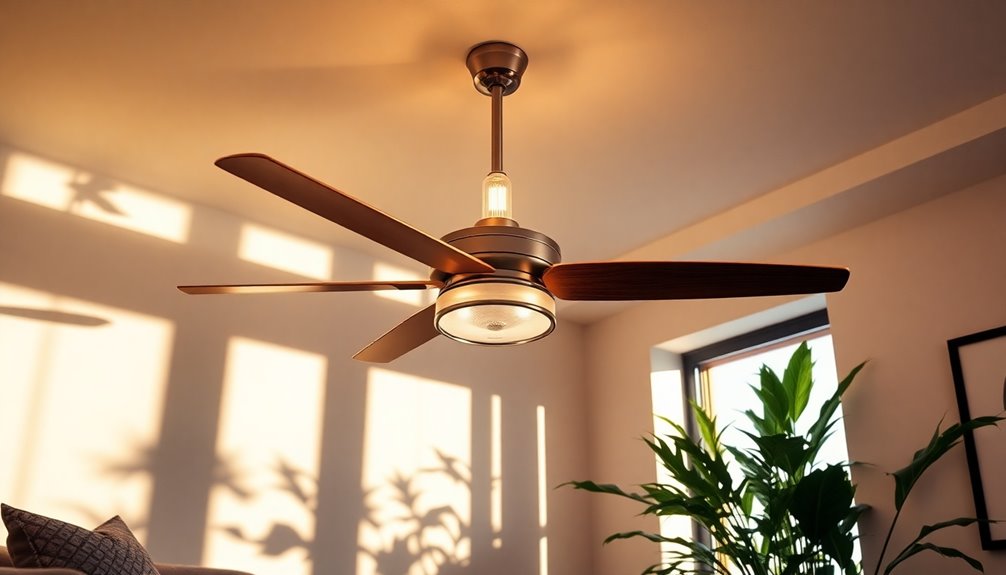
Using smart fans in vacation homes allows you to optimize airflow and temperature remotely, enhancing comfort and energy efficiency. By integrating Wi-Fi or Zigbee connectivity, you can control and schedule fans via smartphone apps, even when you’re away. Sensors detect environmental conditions for automated adjustments, reducing energy waste. Remote monitoring provides real-time data on system performance and energy use, ensuring proactive maintenance. Discover how these technologies can transform your property management for peace of mind and efficiency.

Get home appliances delivered free with Prime
- Fast, free delivery on millions of items
- Prime Video, Amazon Music and more included
- Member-only deals all year
Key Takeaways
- Smart fans enable remote control and scheduling via smartphone apps, ensuring optimal airflow even when the property is unoccupied.
- Integration with sensors allows automated activation based on temperature, humidity, or occupancy, enhancing energy efficiency.
- Connectivity features facilitate real-time monitoring of fan performance, energy use, and system health remotely.
- Smart fans can coordinate with other home automation devices to optimize climate control and reduce manual oversight.
- Remote monitoring and alerts help identify maintenance issues early, ensuring continuous operation and property preservation.
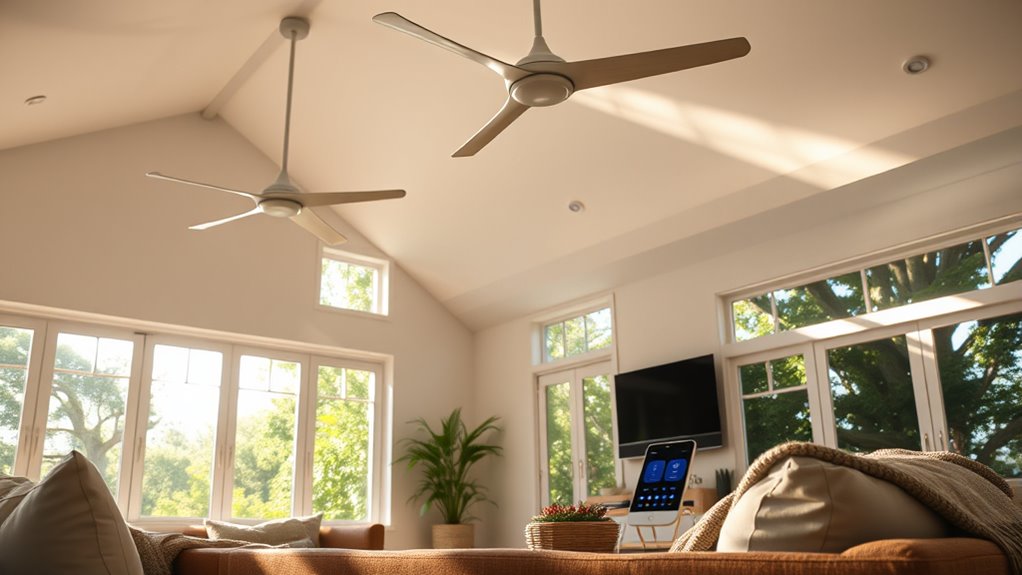
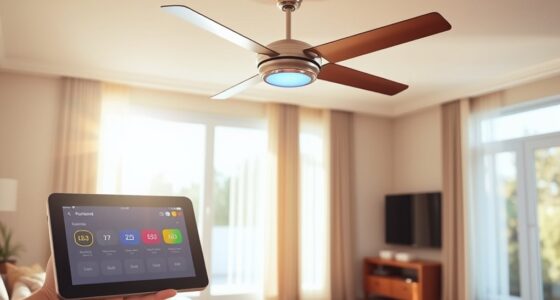
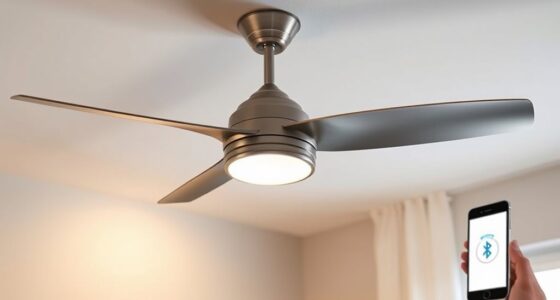
Smart fans are increasingly essential for managing comfort and energy efficiency in vacation homes and remote properties. These devices integrate advanced automation, sensor data, and network connectivity to enhance airflow, temperature regulation, and energy consumption without requiring constant manual oversight. When deployed effectively, smart fans enable users to maintain a consistent environment, even when the property is unoccupied or only intermittently monitored. They leverage Wi-Fi or Zigbee protocols for seamless integration with existing home automation systems, allowing for real-time control and scheduling via smartphone apps or web interfaces. This connectivity provides the foundation for remote management, enabling you to adjust fan operation, monitor energy usage, and receive alerts from anywhere with an internet connection.
The core of smart fan functionality rests on embedded sensors that detect ambient temperature, humidity, and airflow patterns. These sensors facilitate dynamic adjustments, ensuring the best possible comfort levels while minimizing unnecessary energy expenditure. For instance, a smart fan can automatically activate when temperature thresholds are exceeded or when humidity levels rise beyond predefined limits. This automation reduces reliance on traditional thermostats or manual switches, which often lead to energy waste or inconsistent comfort. Additionally, smart fans can be programmed to operate at specific times or under certain conditions, aligning with occupancy schedules or seasonal variations. This scheduling capability is particularly advantageous for vacation homes, where occupancy may be irregular, and energy conservation is paramount.
Remote monitoring features further enhance the utility of smart fans in off-site properties. With integrated dashboards or mobile apps, you can track real-time operational data, such as run times, energy consumption, and system health. These insights enable proactive maintenance and troubleshooting, reducing downtime and preventing issues from escalating. Furthermore, remote alerts notify you of unexpected activity, such as fan failures or environmental anomalies, allowing prompt intervention. This level of oversight is critical for preserving property value and ensuring occupant comfort, especially when no one is physically present. Compatibility with other smart devices, such as thermostats, window sensors, or lighting systems, amplifies the system’s efficiency by enabling coordinated responses — for example, adjusting fans in tandem with window openings or climate control units. Incorporating smart fan tuning options can further optimize performance by customizing operation based on specific environmental needs and energy-saving goals.
As an affiliate, we earn on qualifying purchases.
Frequently Asked Questions
Can Smart Fans Integrate With Existing Home Automation Systems?
Yes, smart fans can incorporate with existing home automation systems, provided they support common protocols like Wi-Fi, Zigbee, or Z-Wave. You’ll need compatible hubs or controllers that connect your smart fan to your system. Once integrated, you can automate and control your fans alongside other devices through a unified app or voice commands, enhancing convenience and energy efficiency. Always check compatibility specifications before purchasing to ensure seamless integration.
What Are the Security Concerns for Remote Smart Fan Control?
You should be aware that remote smart fan control presents security risks like unauthorized access, data breaches, and potential device hijacking. To mitigate these, verify your network uses strong encryption, update firmware regularly, and enable two-factor authentication. Avoid default passwords and monitor device activity logs. Implementing these measures helps protect your system from cyber threats, keeping your remote-controlled smart fans secure and functioning properly.
How Much Energy Do Smart Fans Typically Consume?
Smart fans typically consume between 5 to 30 watts during operation, depending on their size, speed, and additional features like lighting or sensors. While some worry about energy use, modern smart fans are designed for efficiency, often including scheduling and automation to reduce unnecessary power consumption. By optimizing usage, you can enjoy comfort without substantially impacting your energy bill, making them a practical choice for remote or vacation home monitoring.
Are Smart Fans Suitable for Outdoor Use in Vacation Homes?
Smart fans are generally suitable for outdoor use in vacation homes if they have weather-resistant features like waterproof enclosures and rust-proof materials. You should verify the product specifications to guarantee they meet outdoor conditions, such as resistance to humidity and dust. Proper installation and maintenance are essential to ensure durability. Choose models explicitly designed for outdoor environments to maximize performance and longevity.
What Is the Average Lifespan of a Smart Fan?
A smart fan typically lasts between 5 to 10 years, depending on usage and maintenance. You should expect the motor to operate efficiently for around 3 to 5 years, with blades and electronic components potentially lasting longer if properly cared for. Regular cleaning, avoiding power surges, and following manufacturer guidelines can extend its lifespan. Keep in mind that high-quality models usually offer greater durability and longer service life.
Conclusion
By integrating smart fans and remote monitoring, you optimize energy efficiency and maintain comfort effortlessly. These technologies allow real-time adjustments, reducing operational costs and preventing issues before they escalate. Remember, “A stitch in time saves nine,” as early intervention keeps your vacation home running smoothly. Adopting these systems enhances control and peace of mind, ensuring your property remains in prime condition, even when you’re away. Stay proactive—technology makes managing remote spaces more precise and reliable.
Halloween Picks
halloween
As an affiliate, we earn on qualifying purchases.