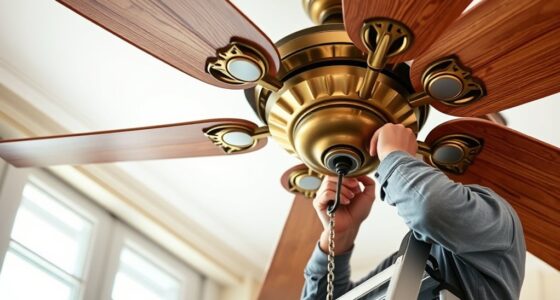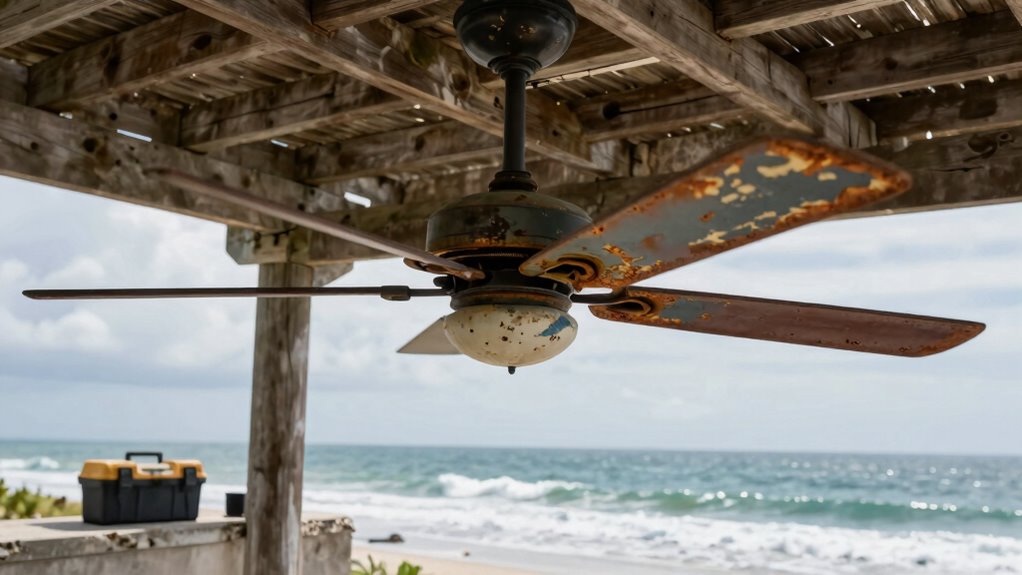

To keep outdoor fans functioning well near the coast, regularly clean and reapply protective coatings designed for salt air exposure. Choose fans made from stainless steel or coated materials for better durability. Position fans in sheltered spots and inspect electrical parts often for signs of corrosion. Using corrosion-resistant lubricants and fixing rust spots early also help extend their lifespan. Taking these steps can markedly reduce salt damage—continue exploring ways to protect your equipment for lasting performance.
Key Takeaways
- Apply salt-resistant protective coatings regularly to create a moisture barrier on fan surfaces.
- Use corrosion-resistant materials like stainless steel or coated aluminum for outdoor fans.
- Perform routine cleaning and inspection to remove salt deposits and identify rust early.
- Position fans in sheltered areas and shield them during storms to minimize salt spray exposure.
- Maintain proper installation practices and timely reapplication of protective coatings for durability.
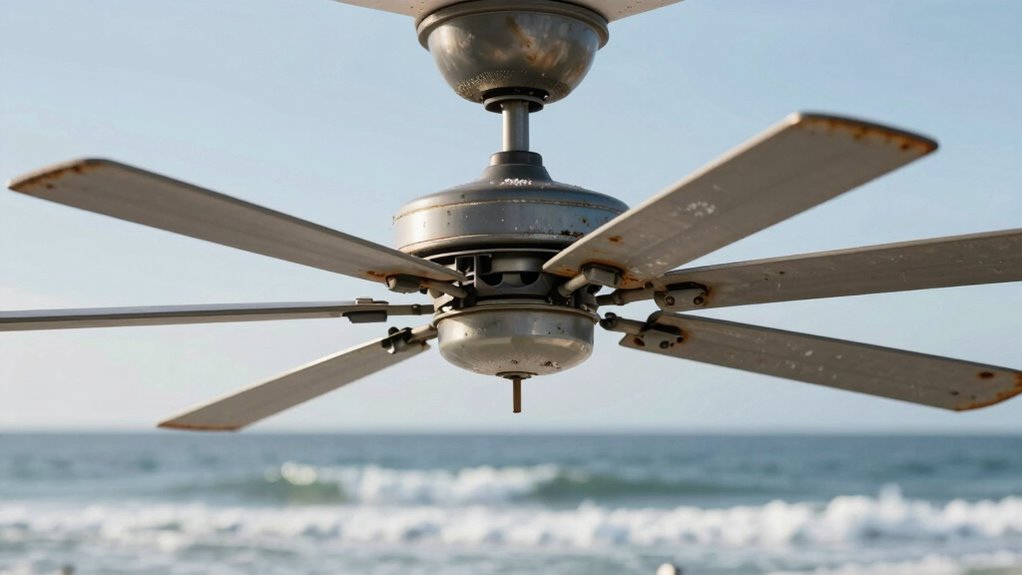
Maintaining salt air equipment is vital to guarantee its longevity and peak performance. When you’re dealing with outdoor fans near the coast, the salty environment can accelerate wear and tear, making corrosion prevention a top priority. Salt particles in the air are highly corrosive, especially to metals and electrical components, which can lead to rust, degraded performance, and costly repairs. To combat this, applying protective coatings is one of the most effective strategies. These coatings act as a barrier, shielding metal surfaces from moisture and salt deposits, and substantially slow down the corrosion process. Regularly inspecting your equipment for signs of corrosion and reapplying protective coatings as needed can extend the lifespan of your outdoor fans and keep them running smoothly. Additionally, choosing fans with corrosion-resistant materials such as stainless steel or specially coated aluminum can significantly reduce maintenance needs and improve durability in salty environments. You should start by choosing the right protective coatings designed specifically for salt air exposure. Look for products that are weather-resistant and formulated to withstand high humidity and salt spray. When applying these coatings, confirm the surfaces are thoroughly cleaned to remove dirt, salt, and old paint, which can hinder adhesion. Proper surface preparation is vital for the protective coating to bond effectively and provide maximum corrosion prevention. Use a wire brush or sandblaster to remove any existing rust, and wipe down the surface with a damp cloth before applying the coating. Multiple coats may be necessary for maximum protection, so follow the manufacturer’s instructions carefully. Beyond coatings, consider regular maintenance routines to keep your outdoor fans in prime condition. Wipe down the blades and motor housings to remove salt deposits, and inspect electrical connections for corrosion or damage. Lubricate moving parts periodically with corrosion-resistant lubricants, especially in humid environments. If you notice any rust spots or corrosion, address them immediately by cleaning the area and reapplying protective coatings. This proactive approach helps prevent further deterioration and maintains the equipment’s efficiency. In addition, you might want to invest in fans with corrosion-resistant materials, such as stainless steel or specially coated aluminum. These materials are more durable in salt-laden air and require less frequent maintenance. When installing new equipment, consider positioning fans in sheltered locations to reduce direct exposure to salty spray. Covering or shielding your outdoor fans during storms or periods of high humidity can also prolong their life. Ultimately, consistent maintenance, proper protective coatings, and selecting corrosion-resistant equipment are your best defenses against the harsh coastal environment. By staying vigilant and proactive, you’ll guarantee your outdoor fans remain reliable, efficient, and in excellent condition—saving you money and hassle in the long run.

Obabala Black Outdoor Ceiling Fan, 52 in Ceiling Fans No Light with Remote Control, 3 Blades, 6 Speed Reversible DC Motor Modern for Patios, Living Room, Bedroom, Porch
[Silent Reversible DC Motor for Year-Round Comfort] This black ceiling fan features a high-performance DC motor that operates…
As an affiliate, we earn on qualifying purchases.
As an affiliate, we earn on qualifying purchases.
Frequently Asked Questions
How Often Should I Inspect Outdoor Fans for Salt Corrosion?
You should inspect outdoor fans for salt corrosion at least once a month, especially if you’re near the coast. Regular inspections are key to corrosion prevention and maintaining ideal performance. During each check, look for signs of rust, corrosion, or salt buildup on blades, motors, and brackets. Incorporate these inspections into your maintenance schedule to catch issues early and extend the lifespan of your outdoor fans.
Are There Specific Coatings That Resist Salt Air Damage?
You need the superhero of coatings—corrosion resistant coatings—designed to withstand the relentless assault of salt air. Marine grade materials also act like armor, fiercely defending your outdoor fans from devastating corrosion. These coatings and materials create an impenetrable barrier, ensuring your fans survive the harsh coastal environment. By choosing them, you drastically extend your fans’ lifespan, saving you money and frustration while keeping your outdoor space perfectly functional year-round.
Can Outdoor Fans Be Repaired After Saltwater Exposure?
Yes, outdoor fans can be repaired after saltwater exposure, but corrosion prevention is key to maintaining fan longevity. You should inspect the fan for rust or corrosion, then clean and replace damaged parts. Applying a protective coating or corrosion-resistant paint can help prevent future damage. Regular maintenance, including lubrication and cleaning, ensures your fan stays functional longer despite harsh coastal conditions. Acting quickly minimizes long-term damage and extends your fan’s lifespan.
What’s the Best Way to Store Outdoor Fans During Off-Season?
You should store outdoor fans indoors or in a dry, sheltered place during the off-season. Before storing, clean the fan blades and perform fan blade maintenance to prevent dust buildup. Lubricate the motor, if applicable, to keep it in good shape. Cover the fan with a breathable cover to protect it from dust and moisture. This guarantees your fan stays in top condition and is ready when you need it again.
Do Certain Fan Materials Withstand Salt Air Better Than Others?
Certain fan materials do withstand salt air better than others. Look for fans with high durability, such as those made from stainless steel or aluminum, which resist corrosion more effectively. Additionally, choose fans coated with corrosion-resistant coatings to prolong lifespan near the coast. These features help reduce rust and deterioration, ensuring your outdoor fans stay functional longer despite the harsh salt-laden environment.

All Weather Wet-Rated Outdoor Ceiling Fan with Lights Waterproof for Patio, 56 Inch High CFM Black Outdoor Fan with UV Coating 7 Blades for Large Exterior indoor Gazebo Terraces, Porch, Commercial
🌦️【Engineered for All-Season Outdoor Performance】– Designed for all-weather use, XCWIIE waterproof Black ceiling fan stands strong against rain,…
As an affiliate, we earn on qualifying purchases.
As an affiliate, we earn on qualifying purchases.
Conclusion
So, next time you marvel at those perfectly spinning outdoor fans by the coast, remember the irony—you’re counting on them to keep cool while salt air is secretly plotting their demise. With a little maintenance, you can outsmart the salty sneer and keep them alive. After all, it’s amusing how the very environment meant to refresh you can turn your trusty fans into rusted relics—unless you give them the care they secretly crave.

Outdoor Ceiling Fan Light, Remote Control Patio Ceiling Fan with 5 Reversible Stainless Steel Blades, 52 inch with LED Light for Pavilion, Warehouse Ceiling Fans, farm Fan Barn Fan (52 inch)
【【HIGH-QUALITY FAN BLADES】: The 52 inch outdoor ceiling fan with light adopts 5 high-strength stainless steel fan blades…
As an affiliate, we earn on qualifying purchases.
As an affiliate, we earn on qualifying purchases.
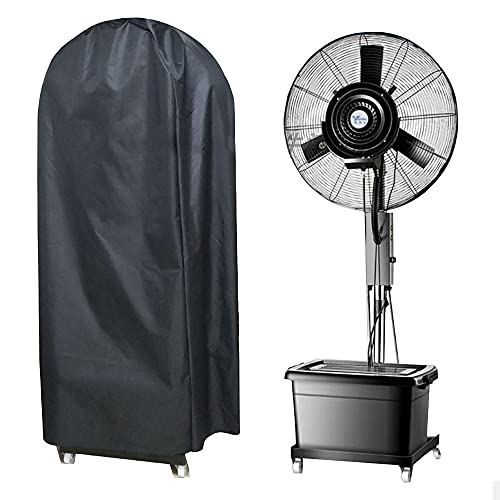
BOSKING Industrial Spray Fan Cover 600D Heavy Duty Outdoor Fan Dust Cover Waterproof Dustproof Pedestal Stand Fan Cover for Outdoor & Indoor – Full Protection (30"L x 12.5"W x 63"H)
1.【High Quality】- The premium Industrial Spray Fan Cover is made of 600D heavy duty Oxford polyester, more long-lasting…
As an affiliate, we earn on qualifying purchases.
As an affiliate, we earn on qualifying purchases.