Replacing a ceiling fan usually costs between $100 and $500. This total often includes the price of the fan and labor. Basic replacements are cheaper, ranging from $100 to $300 if the existing wiring is good. However, if you need new wiring, costs can skyrocket to over $1,400. DIY installations can save you money, bringing total costs down to $100-$275. Always remember that labor costs vary, especially if the installation is complex. Interested in what specific factors can impact your costs? Keep going to discover more details about choosing the right fan and installation options.
Key Takeaways
- Replacement costs for a ceiling fan typically range from $100 to $500, including fan price and installation labor.
- Standard ceiling fans cost between $50 and $300, while specialized fans can exceed $800.
- Labor costs for installation usually range from $50 to $200, depending on complexity and accessibility.
- New wiring may add $250 to $700 to the total replacement cost, especially for high-end fans.
- DIY installations can lower costs to $100-$275, but require electrical knowledge and essential tools.
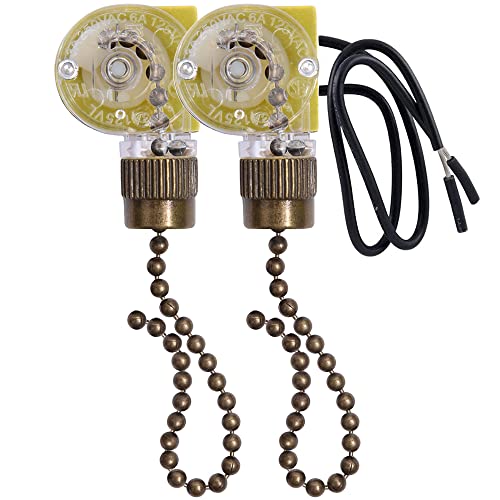
Akahttbn Ceiling Fan Light Switch Zing Ear ZE-109 Two-Wire With Pull Cords for Fans, Lamps and Wall Lights – Pull Chain Control Replacement On-Off, 2 Pcs Bronze
Zing Ear ZE-109 Two-wire pull chain switch, activates canopy lamps by gently tugging the beaded chain, compatible with…
As an affiliate, we earn on qualifying purchases.
As an affiliate, we earn on qualifying purchases.
Cost Overview of Replacement

When you're looking to replace a ceiling fan, you can expect the total cost to range from $100 to $500, which includes both the fan itself and labor expenses.
The average cost to install a new fan typically falls between $50 and $200 for labor, depending on the installation complexity and local rates. If your existing wiring is in good condition, a basic ceiling fan replacement might only set you back $100 to $300.
However, if new wiring is required, installation costs can rise considerably. High-end ceiling fans can push the replacement costs to $1,400 or more, particularly if specialized installation is needed.
Additionally, consider the potential charges for the removal of the existing fan. If the installation involves complex electrical work or repairs to existing fixtures, these costs can add up quickly.
When budgeting for your new fan, take into account not just the fan's price but also the materials and labor involved. Investing in energy-efficient models may lead to lower energy bills in the long run, giving you added value on top of the initial costs.

Ohniyou Ceiling Fans with Lights, 52'' Low Profile Ceiling Fan with Light and Remote/APP Control, Modern Flush Mount Ceiling Fan for Indoor Bedroom Living Room, Dimmable, Qiuet DC Motor, Black
Smart Ceiling Fans with APP & Remote Control: This modern ceiling fan with lights has all functions controllable…
As an affiliate, we earn on qualifying purchases.
As an affiliate, we earn on qualifying purchases.
Factors Affecting Replacement Costs

Several factors can influence the replacement costs of a ceiling fan beyond just the basic price of the unit and labor. Understanding these factors helps you budget effectively.
| Factor | Impact on Costs |
|---|---|
| Existing Wiring | Using current wiring saves money. New wiring can add $250 to $700. |
| Type of Ceiling Fan | Standard, low-profile, or smart fans vary from $50 to $300. |
| Ceiling Height | Higher ceilings may require special equipment, increasing labor costs. |
| DIY Approach | Installing it yourself can reduce costs to between $100 and $275. |
Labor costs typically range from $50 to $200, depending on the complexity of installation. If the ceiling is hard to access or requires unique safety measures, expect increased installation costs. Additionally, the overall cost will fluctuate based on the chosen type of ceiling fan. While a DIY approach might save you money, make sure you have the necessary electrical knowledge for safety. By considering these factors, you can make an informed decision that fits your budget.

Westinghouse 0110000 Saf-T-Brace for Ceiling Fans, 3 Teeth, Twist and Lock,Silver(Pack of 1)
Saf-T-Brace allows safe, simple installation of fans and fixtures
As an affiliate, we earn on qualifying purchases.
As an affiliate, we earn on qualifying purchases.
Types of Ceiling Fans

Ceiling fans come in various types, each designed to suit different needs and spaces.
Standard ceiling fans are a popular choice, typically costing between $50 and $300. They often include light fixtures, making them versatile for any room.
If you have low ceilings, low-profile ceiling fans are perfect, ensuring safety and ideal airflow while keeping costs in the same range.
For more specialized cooling needs, directional ceiling fans allow you to adjust airflow and generally range from $150 to $800.
If you're looking to cool larger spaces, hanging propeller fans work well, designed for ceilings over 9 feet, with prices ranging from $300 to $900.
If you're considering outdoor areas, outdoor ceiling fans are essential. These wet-rated fans can withstand the elements and usually range from $250 to $3,000, depending on features and durability.
When choosing a fan size, consider both the dimensions of your space and the fan installation costs, as these factors will influence your decision to replace a ceiling fan.
Regular maintenance is crucial to ensure the longevity and safety of your ceiling fans, as mechanical failure can lead to dangerous situations.
Understanding these types of ceiling fans will help you make informed choices for your home improvement projects.

ZMISHIBO Ceiling Fans with Lights and Remote, 19.7'' Low Profile Ceiling Fan, 3000-6000K Dimmable Modern Flush Mount LED Fan Light, 6 Wind Speeds, Black Fandelier Ceiling Fans for Bedroom
LED Light Source and Memory Function: The LED energy-saving light has 120 voltage output and brightness from 10%-100%…
As an affiliate, we earn on qualifying purchases.
As an affiliate, we earn on qualifying purchases.
Professional vs. DIY Replacement

Choosing the right ceiling fan is just the beginning; deciding how to replace it's the next step. You have two main options: professional installation or DIY replacement.
If you hire a licensed electrician, expect total expenses between $100 and $500, with labor costs ranging from $50 to $200 depending on the complexity of the installation. Professionals typically complete basic fan replacements in 1-2 hours, ensuring compliance with local codes and safety.
On the other hand, a DIY replacement can save you on labor costs, bringing your total expenses down to between $100 and $275. However, this option requires familiarity with electrical systems and essential safety precautions.
You'll need tools such as a ladder, screwdriver, and wire stripper, highlighting the skills and equipment necessary for a safe installation. Keep in mind that if your project involves new wiring or complex setups, it's wise to seek help from a licensed electrician to avoid potential hazards.
Ultimately, your choice depends on your comfort level with wiring and the complexity of the installation. Make sure to weigh the pros and cons of each approach before making your decision.
Budgeting for Replacement Costs

When planning a ceiling fan replacement, it's important to establish a clear budget. Your replacement costs will vary widely based on the fan type and the complexity of the installation.
Typically, you should expect to spend between $100 and $500 for the entire project, including the fan itself, which can range from $50 to $300.
Labor costs are another significant factor, generally falling between $50 and $200. While you might consider a DIY approach, professional installation is often recommended for safety and compliance with local codes.
If new wiring is necessary, be prepared for significant additional costs, which can push the total installation expenses up to $2,000.
To optimize your overall replacement budget, think about replacing multiple fans at once. Doing so can lower your total labor fees due to reduced travel costs for the installer.
Frequently Asked Questions
How Much Does It Cost to Remove and Replace a Ceiling Fan?
When you're looking to remove and replace a ceiling fan, costs usually range from $100 to $500. This depends on the fan type and installation complexity.
If you hire a pro, expect to pay between $50 to $200 for labor, with an average of about $150 for the first hour.
If you decide to tackle it yourself, you could save on labor, but make sure you're comfortable with electrical work for safety.
How Much Does It Cost to Install a New Ceiling Fan?
You might think installing a ceiling fan is a breeze, but the costs can surprise you.
Typically, you'll pay between $100 and $300 for the fan itself, while installation can add another $100 to $500, depending on complexity.
If you need new wiring or want extra features like remote controls, expect to spend even more.
How Much Does It Cost to Install a Ceiling Fan in Labor?
When you're looking to install a ceiling fan, labor costs can vary widely.
You might pay between $50 to $200 per hour, depending on the job's complexity and the installer's expertise.
Basic installations usually take 1-2 hours, while more complex setups could take 3-4 hours.
If existing wiring works, hiring a handyman can save you money, with rates around $50-$80 per hour compared to licensed electricians.
How Many Years Should a Ceiling Fan Last?
A ceiling fan typically lasts about 10 to 15 years, but if you invest in a high-quality model and maintain it well, you might get over 20 years out of it.
Regular cleaning and lubrication can really help extend its lifespan.
Keep an eye out for signs like noise, wobbling, or reduced airflow; these could indicate it's time for a replacement.
Taking care of your fan can pay off in longevity.
Conclusion
Replacing a ceiling fan can feel like a intimidating task, but with the right preparation, you'll find it's an achievable endeavor. Like Odysseus steering through treacherous waters, understanding the costs and factors involved will guide you toward a smooth replacement. Whether you decide to go the DIY route or hire a professional, budgeting wisely guarantees you won't be caught off guard. So, take the plunge and transform your space—your ceiling fan's upgrade awaits!