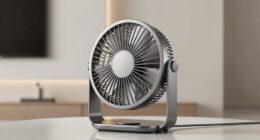
CFM, or cubic feet per minute, shows how much air your ventilation system moves to keep your space comfortable. It’s a crucial number that predicts how well fresh air circulates and how effectively the environment is ventilated. Proper CFM levels help prevent stuffiness, odors, and uneven temperatures. Too little or too much airflow can cause problems, so understanding this number is key. Keep exploring to discover how adjusting CFM can improve your indoor environment.
Key Takeaways
- CFM measures how much air moves through a space per minute, impacting ventilation efficiency and comfort.
- Proper CFM ensures adequate fresh air supply, preventing stuffiness, odors, and poor air quality.
- Meeting recommended CFM levels according to standards like ASHRAE maintains healthy indoor environments.
- Balancing CFM avoids energy waste from excessive airflow and noise issues from too high rates.
- Adjusting CFM helps optimize indoor comfort, air quality, and system performance for different spaces.

Ever wondered what CFM really means when it comes to air quality and ventilation systems? CFM, or cubic feet per minute, measures how much air moves through a space every minute. It’s a critical factor in guaranteeing good airflow efficiency, which directly impacts your comfort and the air you breathe. When designing or evaluating ventilation systems, understanding CFM helps you determine whether the airflow is sufficient to meet the needs of the space. Proper airflow isn’t just about moving air; it’s about moving the right amount of air at the right rate to keep your environment healthy and comfortable. This is where ventilation standards come into play, providing guidelines for how much airflow is needed based on space size, occupancy, and usage.
Ventilation standards, like those from ASHRAE or local building codes, specify minimum CFM requirements to promote indoor air quality and prevent issues like mold, odors, or airborne contaminants. When your system meets or exceeds these standards, you get a balance of fresh air and controlled humidity, which helps you feel more comfortable and healthier. But it’s not just about hitting a number; it’s about achieving ideal airflow efficiency. Too little airflow can lead to stale air and poor air quality, while too much can waste energy and create noise issues. That’s why understanding how CFM relates to your specific environment is essential. A well-designed ventilation system ensures sufficient air exchange without unnecessary energy consumption, making it both effective and efficient. Proper airflow management is key to optimizing system performance and energy savings.
Knowing your CFM also helps you troubleshoot and improve existing systems. If you notice stuffiness, lingering odors, or uneven temperatures, it might mean your airflow isn’t adequate. Adjusting the CFM—either by increasing or decreasing it—can make a significant difference. For example, in a commercial space, higher CFM rates might be necessary to accommodate more occupants, while in a residential setting, lower rates may suffice. Always keep in mind that the goal is to meet or surpass ventilation standards while maintaining airflow efficiency. This balance ensures your space is comfortable, safe, and energy-efficient.
In the end, understanding what CFM means in practical terms empowers you to make smarter decisions about your ventilation systems. Whether upgrading equipment, designing a new space, or troubleshooting issues, keeping airflow efficiency and ventilation standards in mind ensures you’re creating a healthier, more comfortable environment. It’s a simple number with a powerful impact on your daily comfort and long-term well-being.

VIVOSUN M4 4-Inch Inline Duct Fan, 195 CFM Ventilation Fan with EC Motor, Adjustable Speed, Energy-efficient Vent Blower for HVAC, Grow Tent, Hydroponics
Efficient and Quiet Ventilation: The PWM-controlled EC motor and mixed-flow design deliver powerful, quiet, and energy-efficient performance; Operating…
As an affiliate, we earn on qualifying purchases.
As an affiliate, we earn on qualifying purchases.
Frequently Asked Questions
How Does CFM Relate to Indoor Air Quality?
You can improve indoor air quality by ensuring proper CFM, as it helps ventilate pollutants effectively. Using air quality sensors, you can monitor pollutant levels and adjust airflow accordingly. Higher CFM promotes better pollutant removal, reducing allergens and harmful particles. This directly enhances your indoor environment, making it healthier and more comfortable. Maintaining ideal airflow is essential for consistent air quality and a cleaner, safer space for everyone.
Can CFM Levels Vary in Different Room Sizes?
Of course, CFM levels can vary with room sizes—surprising, right? Ventilation standards recommend adjusting airflow to match room volume, ensuring adequate air exchange without excessive noise. Larger spaces need higher CFM to maintain comfort, while smaller rooms require less to avoid loud noise levels. So, don’t assume one size fits all; tailoring airflow keeps your environment comfortable and quiet, meeting both standards and your sanity.
What Is the Optimal CFM for Energy Efficiency?
To maximize energy efficiency, aim for a CFM that meets ventilation standards without over-ventilating, typically around 15-20 CFM per person or room. This balance guarantees good airflow while conserving energy. Keep noise considerations in mind, as higher CFM can increase sound levels. Adjust your system accordingly, ensuring it provides sufficient ventilation without wasting power or creating discomfort from noise.
How Does CFM Impact Humidity Control?
You might think CFM doesn’t affect humidity control, but it actually plays a vital role in maintaining moisture balance. Higher CFM improves humidity management by increasing airflow, helping to remove excess moisture or bring in dry air when needed. This prevents mold and condensation issues. So, adjusting CFM guarantees your space stays comfortable and healthy, directly influencing how well your HVAC system manages humidity levels efficiently.
Are Higher CFM Values Always Better for Comfort?
Higher CFM values aren’t always better for comfort because they can surpass ventilation standards, leading to excessive airflow and increased noise levels. While more airflow can improve air quality, it may cause discomfort if it’s too strong or loud. You should balance CFM with ventilation standards to ensure effective air exchange without noise or drafts, creating a comfortable environment that meets your needs without sacrificing quietness.

BTMETER BT-100 Handheld Anemometer, Digital Wind Speed CFM Meter Gauge Air Flow Velocity Tester for HVAC Shooting Drone, Wind Chill, 14℉-113℉ Wind Temperature
【Multifunction Pro Anemometer】Wind Speed, Wind Temperature, Wind Chill, Low battery indicator on bright backlit LCD screen. BT-100 is…
As an affiliate, we earn on qualifying purchases.
As an affiliate, we earn on qualifying purchases.
Conclusion
Now that you understand CFM and its role in airflow, you’re better equipped to choose the right ventilation for comfort. Remember, just like the wind in the time of the Wright brothers, good airflow can lift your spirits and make your space feel just right. Don’t let outdated ideas weigh you down—embrace this modern measure and keep your environment fresh and inviting. After all, progress is the breeze that keeps us moving forward.

Broan-NuTone Residential Central Vacuum System Power Unit, 650 Air Watts
As an affiliate, we earn on qualifying purchases.
As an affiliate, we earn on qualifying purchases.
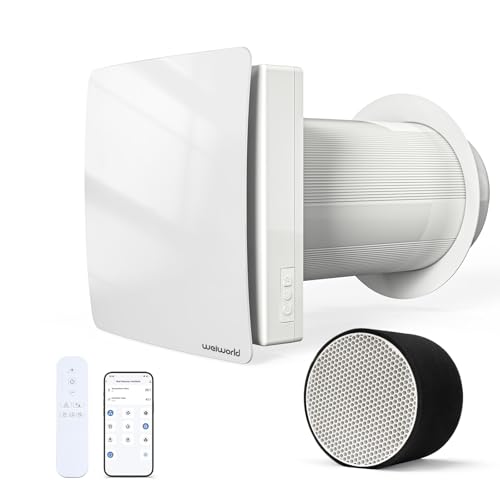
Weiworld Heat Recovery Ventilator with Ceramic Heat Exchanger, Wall-Mounted Fresh Air System with WiFi/Remote Control for Home, Attic, Garage – Supply, Exhaust & Recirculation Ventilation Fan
Heat Recovery Ventilator (HRV) for single room ventilation: Equipped with a high-efficiency ceramic heat exchanger that recovers up…
As an affiliate, we earn on qualifying purchases.
As an affiliate, we earn on qualifying purchases.