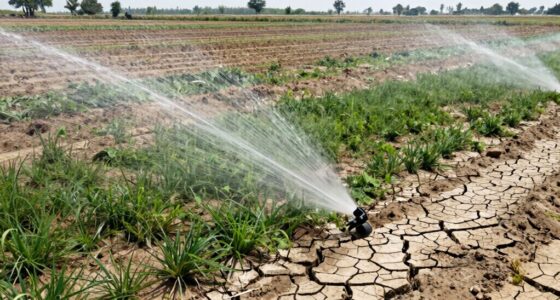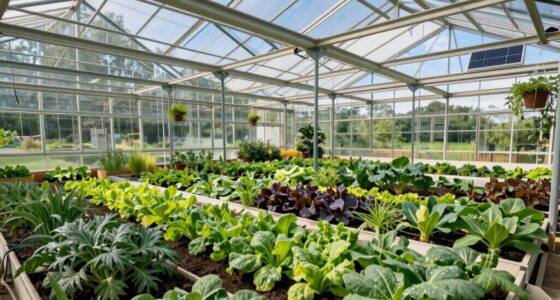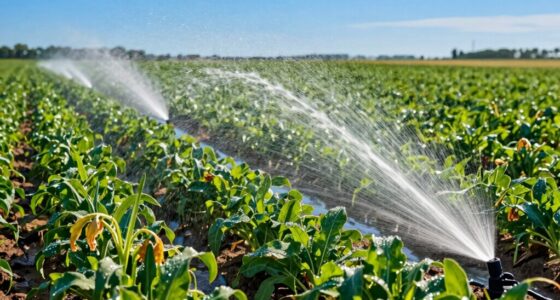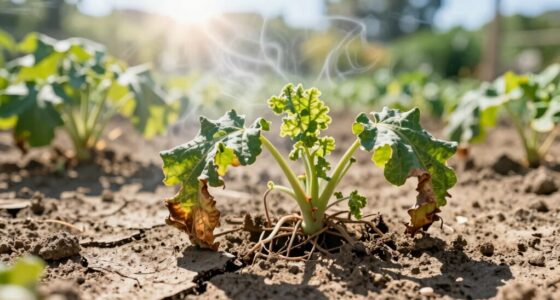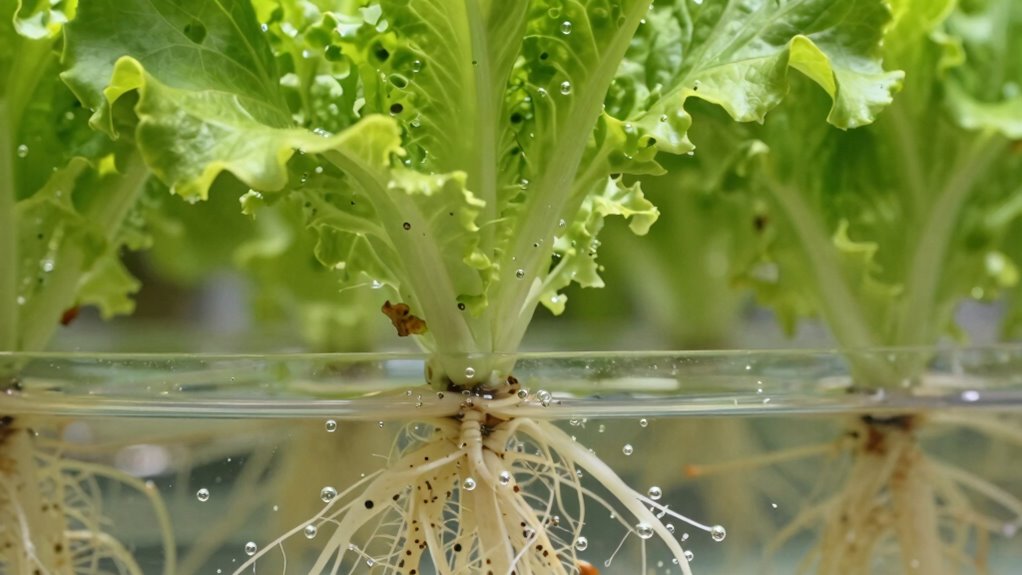

Root-zone oxygen is crucial in hydroponics because it keeps your plants’ roots healthy and able to absorb nutrients efficiently. Without enough oxygen, roots can suffocate, weaken, and become more prone to disease and root rot. Proper oxygen levels promote vigorous growth, better yields, and higher crop quality. Keeping the root zone well-oxygenated is essential for plant success. To discover how you can optimize oxygen and improve your hydroponic system, keep exploring the key methods and benefits.

Get home appliances delivered free — and shop member deals
- Fast, free delivery on millions of items
- Access to Prime Big Deal Days deals on October 6–7
- Prime Video, Amazon Music and more included
Key Takeaways
- Adequate oxygen in the root zone supports efficient root respiration and nutrient uptake.
- Low oxygen levels cause roots to switch to harmful anaerobic respiration, increasing disease risk.
- Proper oxygen diffusion prevents root rot and promotes healthy, vigorous root development.
- Maximizing oxygen improves overall plant health, yields, and crop quality in hydroponic systems.
- Using aeration devices and sensors helps maintain optimal root-zone oxygen levels.
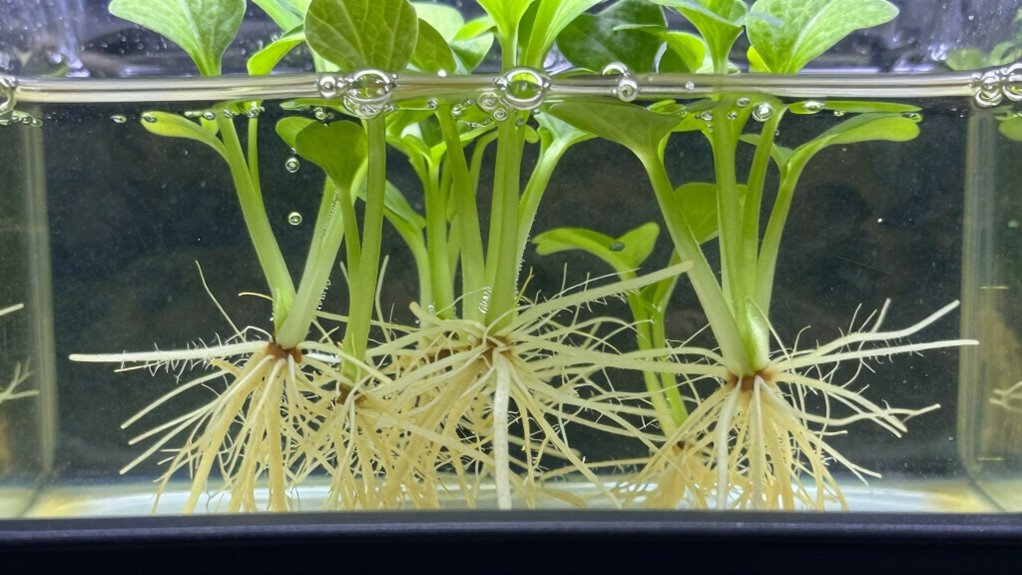
In hydroponic systems, supplying adequate oxygen to the plant roots is essential for healthy growth and ideal yields. Without enough oxygen, your plants can become stressed, struggle to take up nutrients, and ultimately produce lower quality or smaller harvests. The key to preventing this is understanding how oxygen diffusion works in your system and how it impacts root respiration. Oxygen diffusion refers to how oxygen moves from the air or water into the root zone, and it’s a critical factor in maintaining healthy root environments. If oxygen levels drop too low, the roots can’t efficiently perform root respiration, which is the process that allows roots to generate the energy needed for nutrient uptake and growth.
Ensuring proper oxygen diffusion is crucial for healthy roots and optimal hydroponic yields.
You might think that water is enough to sustain your plants, but roots actually need a steady supply of oxygen to function properly. When oxygen diffusion is limited, roots switch to anaerobic respiration, a less efficient process that produces harmful byproducts like ethanol and lactic acid. This can cause root rot, reduce nutrient absorption, and slow down overall plant development. As a grower, your goal is to maximize oxygen diffusion within your hydroponic setup, ensuring that roots stay well-oxygenated at all times. This can be achieved through various methods, such as using aeration devices like air stones, pumps, or increasing the oxygen content in the nutrient solution.
Maintaining optimal oxygen levels in the root zone directly influences root respiration efficiency. Healthy roots respire actively, breaking down sugars and absorbing nutrients more effectively. When oxygen is abundant, roots stay strong and vigorous, supporting lush foliage and robust fruit or flower production. Conversely, low oxygen levels hinder root respiration, leading to weak, pale roots that are more susceptible to diseases. This emphasizes the importance of monitoring oxygen levels regularly and adjusting your system accordingly. Understanding oxygen diffusion and its role in hydroponics allows you to optimize conditions for your plants’ success. Additionally, ensuring proper water circulation can significantly improve oxygen transfer in the root zone. Incorporating oxygen sensors can help you keep precise track of oxygen levels and make timely adjustments.
Ultimately, understanding how oxygen diffusion and root respiration work together helps you create the best environment for your plants. By ensuring your hydroponic system provides enough oxygen, you promote healthier roots, better nutrient uptake, and higher yields. It’s about creating a balanced, oxygen-rich environment where roots can breathe freely and perform at their best. When you prioritize root-zone oxygen, you set your plants up for success, resulting in more vibrant growth and bountiful harvests.
As an affiliate, we earn on qualifying purchases.
Frequently Asked Questions
How Quickly Does Root-Zone Oxygen Deficiency Affect Plant Health?
Root-zone oxygen deficiency can impact your plants quickly, sometimes within a few days. When oxygen levels drop, you’ll notice deficiency symptoms like wilting, yellowing leaves, and stunted growth. Without sufficient root oxygen, your plants struggle to absorb nutrients and water efficiently. Promptly addressing the issue is essential, as prolonged oxygen deficiency can lead to root rot and plant death, severely affecting overall health and yield.
Can High Oxygen Levels Harm Hydroponic Plants?
High oxygen levels can harm hydroponic plants if oxygen toxicity occurs, leading to root suffocation. Excessive oxygen can cause stress, disrupt nutrient uptake, and damage root tissues. While oxygen is essential, too much can upset the balance, so maintaining ideal oxygen levels is key. To prevent problems, monitor oxygen concentrations carefully and guarantee your system provides adequate, but not excessive, oxygen for healthy plant growth.
What Are the Best Signs of Low Root-Zone Oxygen?
A sign is worth a thousand words, so watch for wilting or yellowing leaves, which often indicate low root-zone oxygen levels. If your plants show slow growth or develop root rot, it’s a clear sign of oxygen deficiency. You’ll also notice foul smells around the roots. These symptoms signal that your root oxygen levels are too low, and addressing this promptly keeps your hydroponic system healthy and thriving.
Do Different Crops Require Different Oxygen Levels?
Different crops do require different oxygen levels, so understanding crop-specific oxygen needs is vital. You should tailor oxygen regulation techniques to each plant’s requirements to prevent stress or root diseases. For example, leafy greens often need higher oxygen levels than fruiting plants. By adjusting oxygen supply accordingly, you guarantee healthy root development, maximize growth, and improve yields. Monitoring and customizing oxygen levels based on crop-specific needs keeps your hydroponic system thriving.
How Does Root-Zone Oxygen Interact With Nutrient Absorption?
Think of root oxygen as the breath of fresh air for your plants’ roots, fueling their quest for nutrient uptake. When roots receive enough oxygen, they work efficiently, absorbing essential nutrients swiftly and effectively. Without enough root oxygen, nutrient absorption stalls, leaving your plants weak and sluggish. Ensuring optimal root oxygen levels keeps your hydroponic system thriving, acting as the crucial link that unleashes your crops’ full potential.
Conclusion
Think of your hydroponic system as a delicate garden orchestra, where root-zone oxygen plays the role of the conductor’s breath. When oxygen flows freely, your roots perform in harmony, thriving and producing vibrant growth. But neglect this essential element, and the music falters—roots suffocate, and your crop’s symphony falls silent. Prioritize oxygen, and you’ll guarantee your garden’s melody remains lush, lively, and endlessly flourishing—an artful dance of life underground.
NFL season / tailgating Picks
team gear
As an affiliate, we earn on qualifying purchases.