
TL;DR

Get home appliances delivered free with Prime
- Fast, free delivery on millions of items
- Prime Video, Amazon Music and more included
- Member-only deals all year
An Ideal Home report describes using an inexpensive stick of chalk to draw lines at doors, windows and other possible spider entry points. Experts quoted in the report say chalk may act as an additional deterrent, but it can wear away and should not be treated as a reliable way to keep all spiders out.
An Ideal Home report says a stick of chalk costing about £2 may help deter spiders from crossing likely entry points into a home this autumn. Pest-management and home-maintenance experts quoted in the report describe chalk as an extra deterrent, not a guaranteed barrier, and say it needs to stay dry and be reapplied when it wears away.
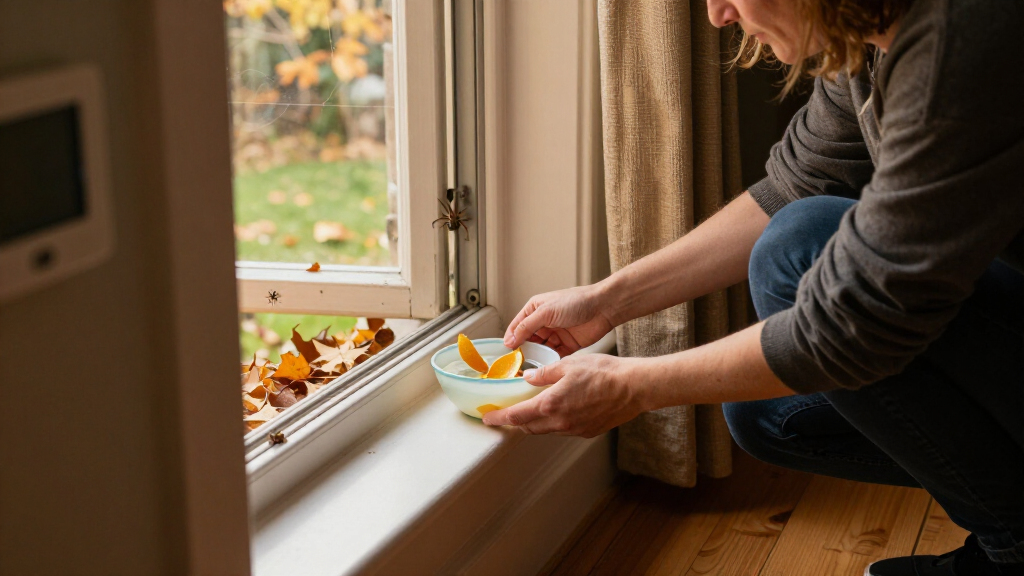
The suggested method is to draw chalk lines at places spiders might enter, including door thresholds, window frames and small gaps. The report also recommends using it indoors around windowsills, doorways and frame gaps, where the line may be less exposed to weather and foot traffic. Home-maintenance expert Emily Green advises testing chalk on a discreet patch first because it can mark some surfaces.
Mosh Latifi, co-owner of EcoCare Pest Management, attributes the possible deterrent effect to chalk’s dry, powdery surface and its composition, calcium carbonate. He says spiders may find the surface uncomfortable to cross. These explanations are expert commentary reported by Ideal Home; the article does not provide testing data establishing how often chalk barriers stop spiders.
Both experts stress that conditions matter. Moisture, cleaning and people walking over a line can wear it away, and damp chalk may be less effective. Latifi says barriers need regular refreshing and may not make spiders permanently avoid an area. Green describes chalk as an additional measure rather than a home’s main defence.
A Low-Cost Layer, Not a Guarantee
For households looking for a simple autumn measure, chalk is inexpensive and can be applied at specific suspected entry points. But readers should distinguish a possible deterrent from a method proven to keep spiders out. The source report gives expert recommendations, not independent trial results, so it does not establish a success rate or show that every spider will avoid a chalk line.
The practical value may depend on locating actual gaps and maintaining the lines. The report’s experts also point to steps that address access more directly: closing windows when appropriate and sealing gaps around frames and doors. Reducing clutter and managing moisture are presented as further ways to make indoor spaces less inviting, though the report does not quantify the effect of those actions.
As an affiliate, we earn on qualifying purchases.
Why the Advice Is Seasonal
The Ideal Home article frames the suggestion as autumn advice, when it says spider activity is at its peak and male spiders may be moving around in search of mates. Latifi recommends putting chalk lines down in early October and choosing a dry day, when the chalk is less likely to be impaired by damp surfaces. This is the expert’s seasonal recommendation as reported by the outlet, rather than a timetable supported by figures in the article.
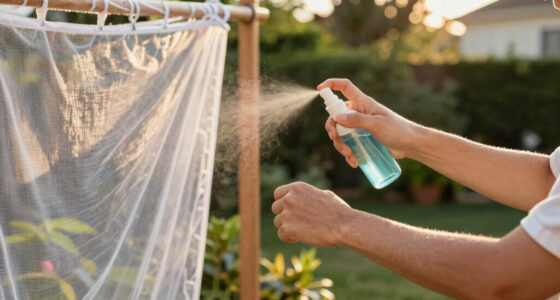
The article places chalk among several household approaches rather than presenting it as a standalone solution. It also mentions reducing bright lights in the evening, managing humidity and clutter, and using peppermint or eucalyptus scents. Latifi suggests combining a scent spray with chalk and physically sealing visible gaps. The report does not present comparative evidence showing which method works best.
““Test the chalk on a discreet area first as it can mark some surfaces.””
— Emily Green, as quoted by Ideal Home
How Much Protection Chalk Provides
The source does not cite controlled tests, a measured reduction in spider entry or evidence that chalk works for all species and surfaces. It is therefore unclear how reliable the method is in practice, how frequently a line must be renewed in different homes, or whether chalk performs better than other household measures. The experts’ explanations and advice are attributed opinions, not a quantified guarantee.
The report also does not establish that peppermint or eucalyptus scents reliably repel spiders, or provide evidence comparing scent sprays with physical repairs. Chalk may leave marks, and its performance may be affected by dampness, cleaning and traffic. Readers should treat the suggestions as household tips, not as a proven way to prevent every spider from entering.
Check Entry Points and Refresh Lines
Anyone trying the method can first identify likely access points, test chalk on an inconspicuous surface and apply it on a dry day. The report’s advice is to check the lines regularly and refresh them after moisture, cleaning or foot traffic. Visible gaps around doors and windows can be sealed, while windows can be kept closed when they are not needed.
Ideal Home offers seasonal household advice rather than announcing a product test or formal study, so no follow-up results or effectiveness data are provided. Whether chalk makes a noticeable difference will depend on the home and how the method is used; the available source does not confirm a specific outcome.
Key Questions
How is chalk meant to deter spiders?
The Ideal Home report says experts believe chalk’s dry, powdery surface may make a line less appealing to cross. It does not include test results measuring the effect.
Where should chalk be applied?
The suggested locations are door thresholds, window frames, windowsills and small gaps that could serve as entry points. Test the chalk on a discreet area first because it may mark some surfaces.
Will a chalk barrier keep all spiders out?
No such guarantee is established in the report. The experts describe chalk as an extra deterrent, and say it may not work in every case or prevent spiders from entering entirely.
How often should chalk lines be refreshed?
The report gives no fixed schedule. Latifi says moisture, foot traffic and cleaning wear down the lines, so they should be checked and reapplied when they degrade.
What other steps does the report suggest?
It recommends addressing possible access directly by sealing visible gaps and managing conditions such as clutter and indoor moisture. Latifi also suggests peppermint oil spray, but the article provides no comparative evidence for its effectiveness.
Source: rss
Cold & flu season Picks
humidifiers
As an affiliate, we earn on qualifying purchases.