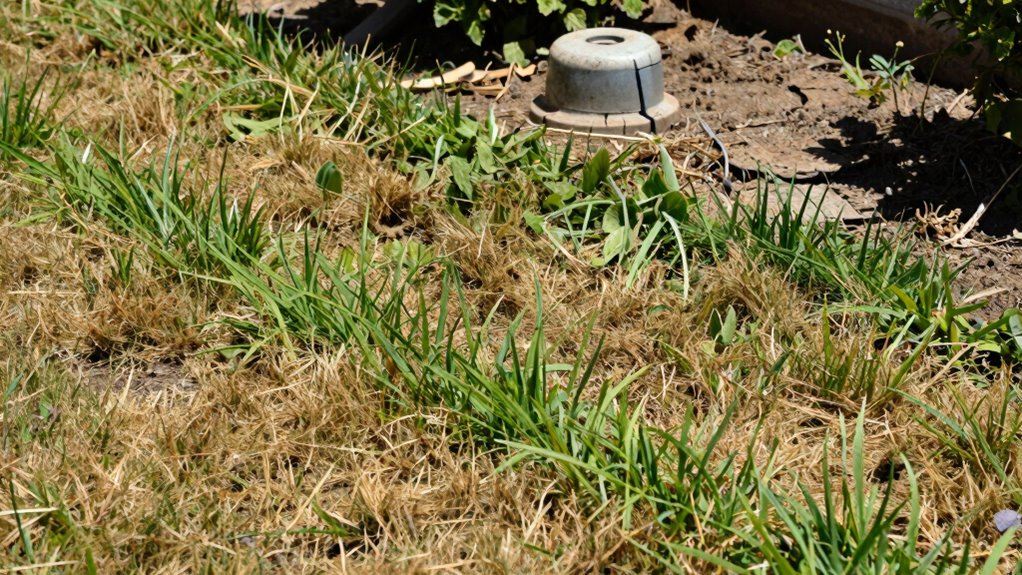

If you replace your lawn without a proper water plan, your project is likely to fail due to poor soil health, drainage issues, and plants not getting enough or too much water. Overlooking water needs leads to landscape deterioration, plant stress, and ongoing maintenance costs. Without long-term management, your new landscape can quickly decline. Stay with us to discover essential steps that can help your project succeed and stay vibrant over time.

Get home appliances delivered free with Prime
- Fast, free delivery on millions of items
- Prime Video, Amazon Music and more included
- Member-only deals all year
Key Takeaways
- Lack of water planning leads to poor drainage, causing water pooling and soil erosion.
- Without considering water needs, plants may suffer from drought stress or overwatering.
- Inadequate soil preparation reduces water retention, impacting plant health and establishment.
- Failure to account for seasonal and climate variations results in landscape decline over time.
- Neglecting long-term water management causes increased maintenance costs and landscape deterioration.
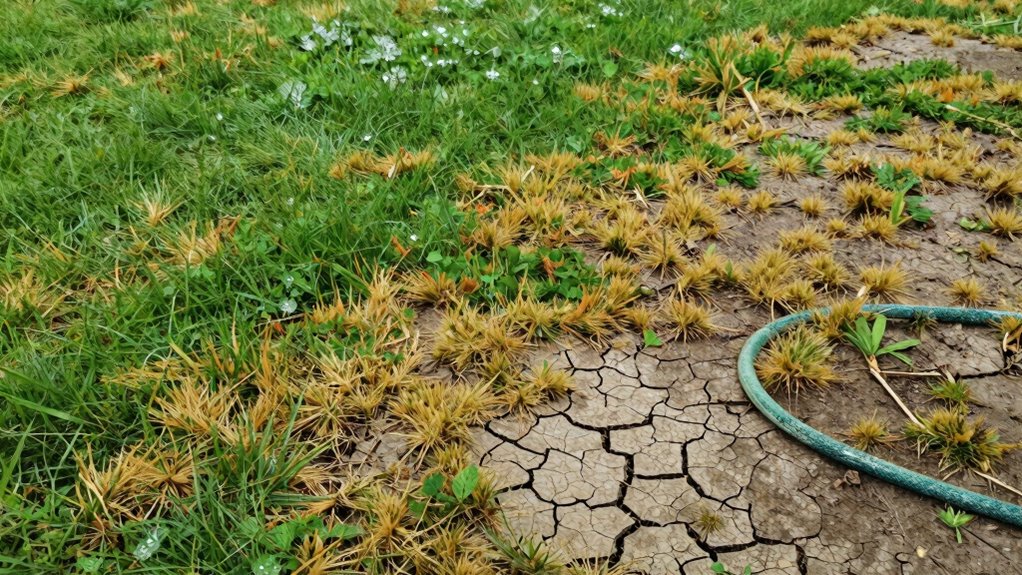
If you’re looking to replace your lawn but want to avoid increasing your water usage, there are effective options available that require little to no irrigation. However, many projects fail because homeowners overlook the importance of planning for water needs, leading to issues like poor drainage and improper soil preparation. Without a clear water plan, your new landscape might look good initially but quickly deteriorate, wasting your time and money.
One of the main reasons lawn replacement projects falter is drainage problems. When you skip detailed planning, the new landscape can become prone to water pooling or runoff. Poor drainage can drown plants or cause erosion, especially if the soil isn’t prepared correctly. To prevent this, you need to assess your site’s natural water flow and adjust the soil and landscape design accordingly. Installing proper drainage solutions, like gravel layers or drainage pipes, ensures excess water drains away efficiently, protecting your plants and maintaining soil stability.
Soil preparation plays an essential role in the success of a water-wise landscape. If you ignore this step, your plants won’t establish well or survive drought conditions. For a resilient landscape, you need to improve soil quality by adding organic matter, such as compost, and ensuring the soil has good structure. This increases water retention for drought-tolerant plants without over-saturating the soil. Proper soil preparation creates a healthy environment and minimizes the need for supplemental watering, but it’s often underestimated or rushed, leading to poor plant performance and project failure. Recognizing the importance of soil health can significantly improve the longevity and sustainability of your project. Additionally, understanding the soil type of your site helps tailor amendments and plant choices for optimal growth. Conducting a thorough soil analysis can further enhance your planning process.
You also need to select plants suited for low water use and your specific soil conditions. Without a water plan, you might choose plants that require more water than your landscape can provide, resulting in stress, disease, or death. Incorporating drought-tolerant species and planting them correctly—considering their root zones and spacing—can make your project more sustainable and reduce ongoing maintenance. Understanding plant selection and its impact on water efficiency is vital for long-term success.
Additionally, understanding your local climate and seasonal variations is crucial in developing an effective water management plan, which many overlook. Finally, ignoring the long-term water management plan can cause your project to fail unexpectedly. Regular monitoring and adjustments are essential, especially during dry seasons. Without a strategy to manage water efficiently, your landscape may look healthy initially but decline over time due to neglect or unforeseen drainage issues. A detailed water plan, including soil preparation and drainage solutions, ensures your landscape stays thriving and requires minimal water input, making your lawn replacement project both successful and sustainable.
As an affiliate, we earn on qualifying purchases.
Frequently Asked Questions
How Much Should I Budget for a Comprehensive Water Plan?
You should budget around $1,500 to $3,000 for a thorough water plan that includes water conservation strategies and modern irrigation technology. Investing in efficient sprinkler systems, drip irrigation, and moisture sensors helps reduce water waste and lowers long-term costs. Allocate funds for professional consultation to design a best-fit plan tailored to your yard’s needs, ensuring sustainable water use and avoiding costly mistakes that can cause lawn failure.
What Are Common Signs of Ineffective Watering After Replacement?
You’ll notice ineffective irrigation when your new lawn shows uneven growth, dry patches, or excess water pooling. These signs point to water wastage and poor coverage. If you see runoff or soggy areas, it means your watering schedule isn’t right, leading to inefficient use of water. To fix this, adjust your watering times and check sprinkler coverage regularly. Proper irrigation guarantees your lawn stays healthy without unnecessary water waste.
Can a Water Plan Be Adjusted Mid-Project?
Yes, you can adjust your water plan mid-project. Regularly monitor your lawn’s response and tweak your irrigation scheduling accordingly. If you notice signs of overwatering or dryness, modify the frequency or amount of water to promote water conservation and healthy growth. Staying flexible guarantees you meet your lawn’s needs, prevents waste, and helps create a more sustainable landscape. Adjustments should be based on weather conditions, soil type, and plant requirements.
How Do Local Regulations Impact Water Planning for Lawns?
Imagine your lawn thriving under a clear sky, but local regulations cast a shadow over your water plans. You must navigate rules on rainwater harvesting and regulatory compliance, which can limit or shape your watering methods. These regulations impact how you collect, store, and use water, making it essential to incorporate them into your plan. Staying informed guarantees your project remains legal, sustainable, and lush, avoiding costly setbacks.
What Are the Long-Term Benefits of a Proper Water Plan?
A proper water plan offers you long-term benefits like efficient irrigation scheduling and enhanced water conservation. You’ll save money on water bills, reduce the risk of overwatering, and promote healthier lawns. With a strategic approach, you guarantee your landscape gets the right amount of water at the right time, minimizing waste. Over time, this helps sustain your yard’s vitality while supporting environmental conservation efforts.
Conclusion
Without a water plan, your lawn replacement project is like planting seeds without watering them—chances are, it’ll struggle to thrive. Sometimes, just as you think you’ve covered all bases, a sudden drought or unexpected dry spell can undo your efforts. But if you plan ahead and incorporate a proper watering strategy, you’ll find that your new lawn not only survives but flourishes, turning coincidence into a well-watered success story.
Halloween Picks
halloween
As an affiliate, we earn on qualifying purchases.