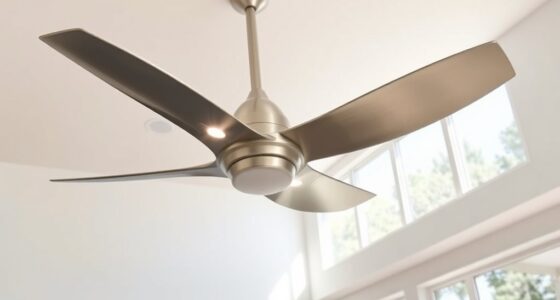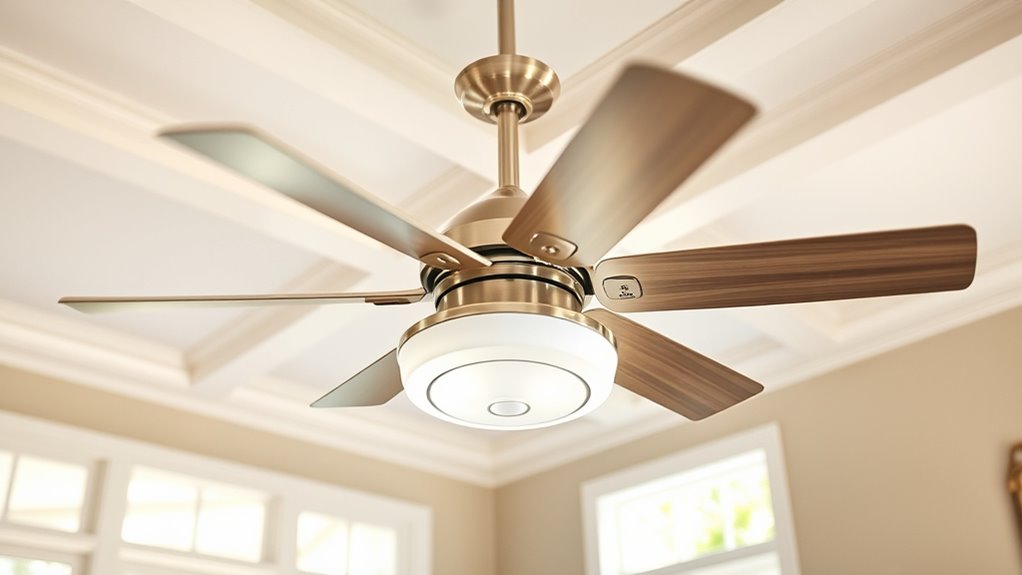

When choosing an Energy Star certified ceiling fan, focus on models with high-efficiency motors and optimized airflow ratings in CFM/W, ensuring maximum air movement with minimal energy use. Look for features like smart controls, dimmable LED lighting, and reversible blades for seasonal efficiency. Construction with recyclable materials and certifications beyond energy savings reflect sustainable design. Prioritizing these details helps you make eco-conscious choices that lower your energy bills while supporting environmental health—there’s more to discover for that perfect fit.
Key Takeaways
- Ensure the ceiling fan is Energy Star certified, indicating compliance with strict energy efficiency standards.
- Look for high CFM/W ratings to maximize airflow while minimizing energy consumption.
- Check for energy-efficient control features like dimmable LEDs, timers, and smart automation integration.
- Choose fans with high-quality, efficient motors and aerodynamically designed blades for quieter, more effective operation.
- Opt for models with sustainable materials and reversible blades to enhance climate control and reduce environmental impact.
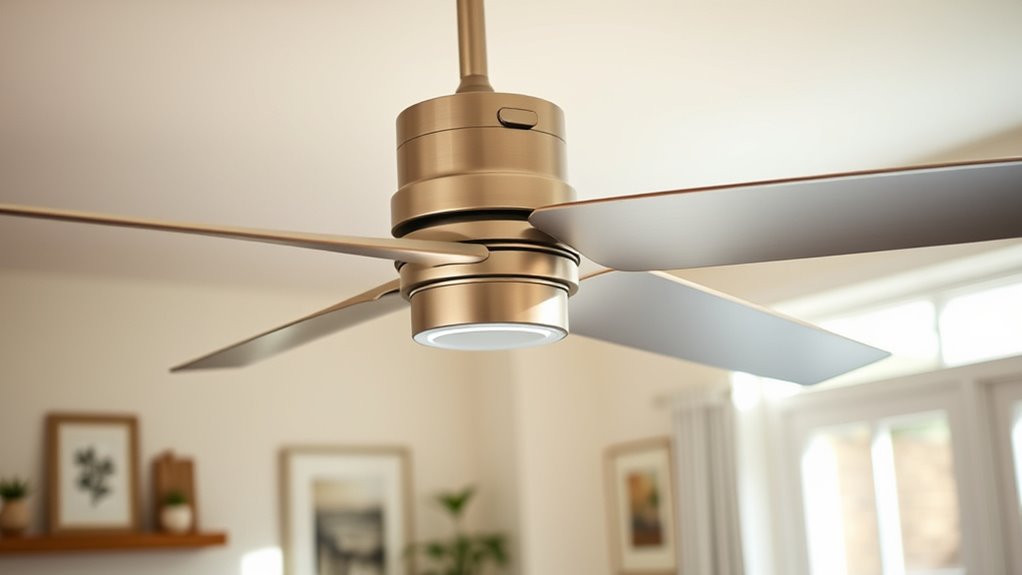
Are you looking for an efficient way to reduce your energy bills while minimizing your environmental impact? Choosing an Energy Star certified ceiling fan is one of the smartest steps you can take. These fans are designed to meet strict energy efficiency guidelines set by the U.S. Environmental Protection Agency, ensuring they consume less power without sacrificing performance. When selecting an Energy Star ceiling fan, start by examining the product’s energy consumption specifications. Look for models that feature high-quality motors with variable speed options—these allow you to tailor airflow precisely to your needs, reducing unnecessary energy use. An efficient motor not only lowers your electricity bills but also decreases the environmental footprint associated with energy production, especially when powered by fossil fuels.
Choosing Energy Star ceiling fans reduces energy bills and environmental impact with efficient motors and adjustable airflow.
Next, pay close attention to the fan’s airflow efficiency, often measured in cubic feet per minute per watt (CFM/W). A higher CFM/W rating indicates that the fan moves more air with less energy. This means you get effective cooling or air circulation while using minimal electricity. Ideally, choose fans with a CFM/W ratio that exceeds industry averages; this ensures you’re investing in a product optimized for energy efficiency. Additionally, consider the fan’s blade design and pitch, as these influence airflow and noise levels. Aerodynamically optimized blades not only improve efficiency but also contribute to quieter operation, enhancing your comfort and reducing the need for supplemental cooling devices.
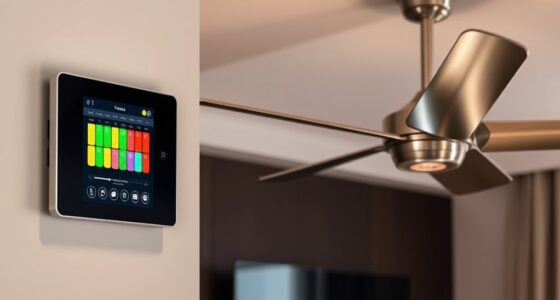
Another critical factor is the fan’s control options. Look for models equipped with energy-efficient controls, such as dimmable LED lights or smart remote systems that allow you to operate the fan more precisely. Some Energy Star fans include programmable timers or integration with home automation systems, enabling you to set schedules that prevent unnecessary operation. This prevents waste and promotes responsible energy use, aligning with eco-conscious principles. Also, evaluate the fan’s durability and material quality—fans built with sustainable, recyclable materials tend to last longer and have a smaller environmental footprint over their lifecycle.
Furthermore, understanding the importance of energy-efficient design can help you make a more informed choice, ensuring your ceiling fan not only saves energy but also aligns with sustainable living principles. Finally, check for additional features that enhance efficiency, like reversible blades for seasonal airflow, which can reduce reliance on heating or cooling systems. Reversible operation allows you to circulate warm air during winter and cool air during summer, optimizing your home’s climate control with minimal energy expenditure. By prioritizing these key aspects—motor efficiency, airflow ratio, control features, and sustainable materials—you ensure your investment supports both your wallet and the environment. An Energy Star ceiling fan isn’t just a simple appliance; it’s a conscious choice that promotes energy savings, reduces greenhouse gas emissions, and helps you create a more sustainable home.

Hunter 60 inch Indoor Ceiling Fan with LED Light and Wall Control – Black Smart Ceiling Fan, Standard Mount, 7 Blades, For Bedroom or Living Room, Quiet – Phenomenon 51376, Matte Black
CEILING FAN WITH LIGHT: The Phenomenon includes energy efficient LED bulbs to deliver bright, reliable lighting for everyday…
As an affiliate, we earn on qualifying purchases.
As an affiliate, we earn on qualifying purchases.
Frequently Asked Questions
How Much Can I Save on Energy Bills With Energy Star Fans?
You can save up to 20-30% on your energy bills with Energy Star-certified ceiling fans. These fans use advanced motor technology and efficient blades to reduce energy consumption while maintaining ideal airflow. By choosing an Energy Star fan, you cut down on electricity costs and lessen your environmental impact. Over time, these savings add up, making your home more eco-friendly and your wallet happier.
Are Energy Star Ceiling Fans Suitable for Outdoor Use?
Yes, Energy Star ceiling fans are suitable for outdoor use when specifically designed for exterior environments. Look for fans labeled as damp or wet rated, which guarantee durability against moisture and weather conditions. These fans efficiently circulate cool air, reducing energy consumption while maintaining eco-conscious comfort. Always verify outdoor specifications to ensure longevity and performance, making your outdoor spaces both environmentally friendly and comfortably cool.
Do All Ceiling Fan Sizes Qualify for Energy Star Certification?
Not all ceiling fan sizes qualify for Energy Star certification. The program emphasizes energy efficiency, so fans must meet strict performance standards regardless of size. Larger fans, like those over 52 inches, often have higher energy requirements, making certification less common. When choosing, prioritize models with the certification to guarantee you’re getting an eco-friendly, efficient product that minimizes energy consumption and reduces your carbon footprint.
How Often Should I Perform Maintenance on Energy Star Fans?
You should perform maintenance on your Energy Star fans every 6 to 12 months. Interestingly, regular upkeep can extend their lifespan by up to 25%. Keep blades clean and dust-free, check the motor for smooth operation, and tighten any loose fixtures. Doing so guarantees maximum energy efficiency, reduces wear, and maintains environmental benefits. Staying attentive to your fan’s condition helps you save energy and supports eco-conscious living.
Can I Replace My Existing Fan With an Energy Star Certified One Easily?
Yes, you can replace your existing fan with an Energy Star certified one easily. Turn off the power, remove the old fan, and check the ceiling wiring for compatibility. Follow the manufacturer’s instructions carefully to make certain of proper installation. Choosing an energy-efficient fan reduces your carbon footprint and lowers energy bills. If you’re unsure, consider hiring a professional electrician to guarantee safe, correct setup and maximize your eco-friendly investment.

Ohniyou Ceiling Fans with Lights, 52'' Low Profile Ceiling Fan with Light and Remote/APP Control, Modern Flush Mount Ceiling Fan for Indoor Bedroom Living Room, Dimmable, Qiuet DC Motor, Black
Smart Ceiling Fans with APP & Remote Control: This modern ceiling fan with lights has all functions controllable…
As an affiliate, we earn on qualifying purchases.
As an affiliate, we earn on qualifying purchases.
Conclusion
Choosing an Energy Star certified ceiling fan is like planting a seed for a greener future. It not only cools your space efficiently but also champions eco-conscious living, reducing your carbon footprint one breeze at a time. With meticulous attention to energy savings and sustainability, you’re wielding a tool that sustains both your comfort and the planet. Invest wisely, and let your home become a beacon of responsible innovation—where comfort and conservation flow hand in hand.

Tough Grade 42" Ceiling Fan Blade Replacement | 5-Pack Reversible Blades, Oak & Walnut Finish, Pre-Drilled for Easy Installation, Fits Most 42 Inch Fans
Five-pack of replacement fan blades: Convenient and cost-effective solution to update or replace multiple fan blades simultaneously, saving…
As an affiliate, we earn on qualifying purchases.
As an affiliate, we earn on qualifying purchases.
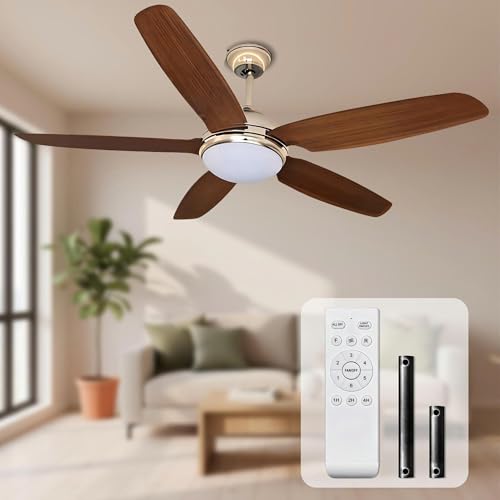
WINDBROOK 52 inch Ceiling Fan with Lights and Remote – Low Profile Indoor Fan for Living Room, Bedroom – Quiet Energy Efficient Ceiling Fans with Light, 5 Blade Fans, Outdoor Ceiling Fans
Ceiling fan with lights and remote has a modern design, bringing a comfortable and luxurious living space. Using…
As an affiliate, we earn on qualifying purchases.
As an affiliate, we earn on qualifying purchases.