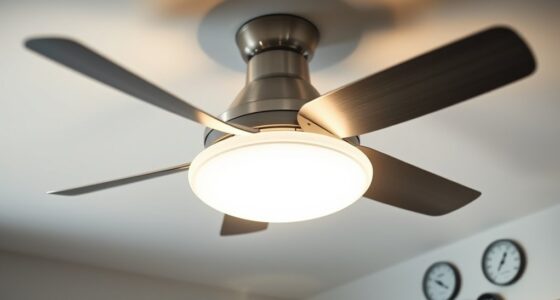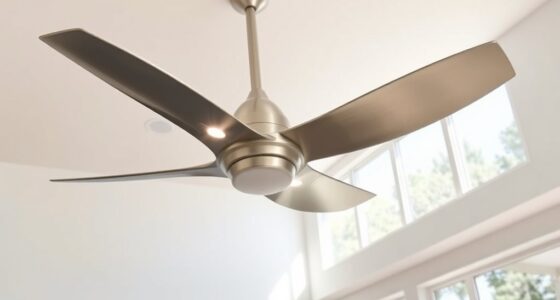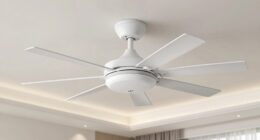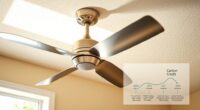
To save energy, make sure you adjust your ceiling fan’s direction seasonally—counterclockwise in summer and clockwise in winter—to improve comfort efficiently. Turn off fans when leaving a room and use the lowest effective speed to reduce electricity use. Regularly clean blades and check for wobbling or noise to maintain ideal performance. Educating yourself on these simple practices can considerably lower utility bills and boost your comfort—continue to explore these tips for better results.
Key Takeaways
- Teach tenants to set ceiling fans to counterclockwise in summer and clockwise in winter for optimal efficiency.
- Encourage turning off fans when rooms are unoccupied to save energy.
- Promote regular fan maintenance, including blade cleaning and checking for wobbling or noise.
- Inform tenants about using the lowest effective fan speed for comfort and energy savings.
- Share tips on installing timers and scheduling fan operation aligned with occupancy patterns.
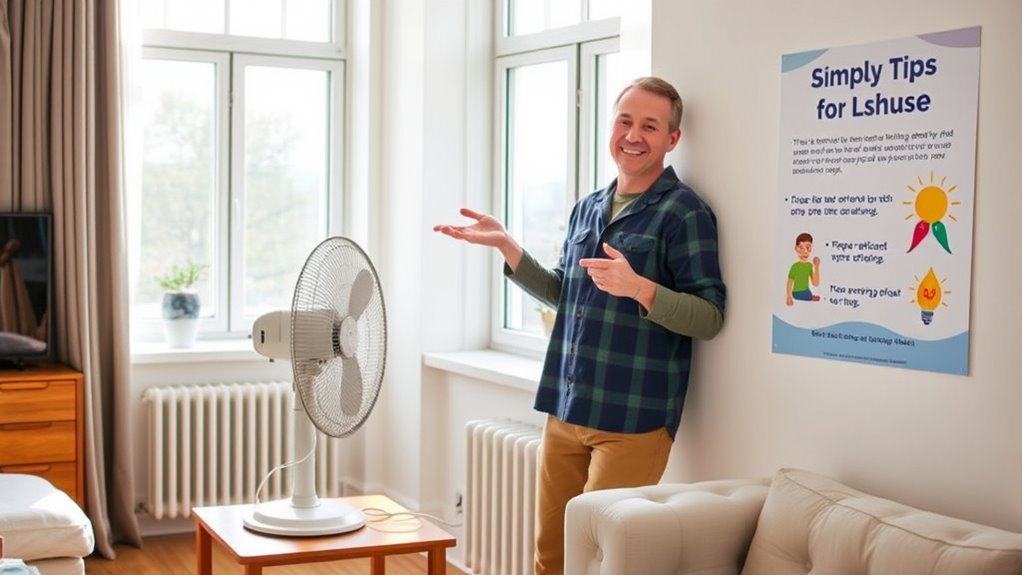
Using ceiling fans efficiently can considerably reduce your energy consumption and lower utility bills. As a tenant, understanding how to maximize fan use is essential for maximizing savings and maintaining comfort without increasing costs. Proper operation hinges on recognizing the fan’s directional settings; most ceiling fans feature a switch that changes blade rotation from clockwise to counterclockwise. During warmer months, set your fan to spin counterclockwise to create a cooling breeze. This airflow enhances evaporation from your skin, making you feel cooler without lowering the thermostat. Conversely, in winter, switch to clockwise rotation at a low speed to generate an updraft that pushes warm air downward, helping to evenly distribute heat and reduce the need to crank up the thermostat.
Adjust ceiling fan direction seasonally: counterclockwise in summer, clockwise in winter, for energy efficiency and comfort.
Timing is another critical factor. Use fans only when you’re in a room. Running fans continuously in empty spaces wastes energy and offers no benefit. Turn fans off when leaving a room, as their primary advantage is personal comfort, not air circulation for unoccupied areas. Installing a smart or programmable timer can automate this process, ensuring fans operate only when needed, further conserving energy.
Maintaining ideal fan settings is crucial. Use the lowest effective speed to achieve comfort. Higher speeds consume more power without necessarily providing proportional comfort benefits, especially if the airflow exceeds what’s necessary. Keep blades clean; dust and grime reduce efficiency by impairing airflow. Regularly wipe blades with a damp cloth and check for any wobbling or unusual noises, which may indicate misalignment or mechanical issues that diminish performance and increase energy use.
Airflow direction plays a pivotal role in energy efficiency. Ensure your fan’s switch is correctly set for the season. An incorrect setting not only diminishes comfort but causes the fan to work harder, increasing energy consumption. Educate yourself on this simple adjustment, and make it a routine seasonal check. Additionally, consider the placement of the fan relative to windows and doors. Avoid operating fans in drafty or poorly insulated spaces, as they may circulate outside air or warm air leaks, negating their benefits. Incorporating energy-efficient practices can further optimize your fan use and reduce overall utility costs.
Encouraging proper fan usage among fellow tenants can amplify savings across the building or complex. Share tips on adjusting blade direction, timing, and maintenance. Promote awareness that small behavioral changes can lead to significant cost reductions. Reinforcing these practices creates a culture of energy consciousness, reducing collective utility bills and environmental impact.

Amico Ceiling Fans with Lights, 42 inch Low Profile Ceiling fan with Light and Remote Control, Flush Mount, Reversible, 3CCT, Dimmable, Noiseless, Black Ceiling Fan for Bedroom, Indoor/Outdoor Use
Ceiling Fan with Light: Decorate your home with Amico ceiling fan! While bringing you coolness and comfort, it…
As an affiliate, we earn on qualifying purchases.
As an affiliate, we earn on qualifying purchases.
Frequently Asked Questions
Can Tenants Install Additional Fans Without Landlord Approval?
You generally need your landlord’s approval before installing additional fans. Unauthorized modifications might violate lease terms or building codes, possibly leading to penalties or deduction from your security deposit. To avoid complications, request permission in writing, explain your intent, and guarantee the installation complies with safety standards. Securing approval maintains a good tenant-landlord relationship and protects your rights, making it easier to install fans legally and safely.
How Often Should Tenants Clean the Fan Blades for Efficiency?
Did you know that dust buildup can reduce fan efficiency by up to 50%? You should clean your fan blades every 2-4 weeks to maintain ideal performance. Regular cleaning prevents dust accumulation, improves airflow, and reduces energy consumption. Use a damp cloth or a gentle brush to wipe down blades, avoiding harsh chemicals. Consistent maintenance ensures your fan runs smoothly, saving you money on energy bills and extending its lifespan.
Are There Specific Fan Models Recommended for Energy Savings?
Yes, you should look for ENERGY STAR certified fans, which meet energy efficiency standards. Opt for models with DC motors, as they consume less power and operate quietly. Consider fans with adjustable speeds and smart controls to optimize usage. These features help reduce energy consumption and lower utility bills, making them a smart choice for cost-effective, eco-friendly living. Investing in efficient fans benefits both tenants and property management.
What Is the Best Way to Operate Fans for Maximum Energy Efficiency?
You should operate fans efficiently by setting them to the lowest comfortable speed and using timers or smart controls to avoid unnecessary running. Position fans to create cross-breezes, enhancing airflow without increasing energy use. Keep doors and windows closed when fans are on to prevent air leaks. Regularly clean fan blades to maintain peak performance, and turn fans off when the room reaches your desired temperature to save energy and reduce costs.
Do Energy-Saving Fans Require Special Maintenance or Repair?
Energy-saving fans typically don’t require special maintenance or repair, but regular cleaning of blades and vents is essential to maintain efficiency. Check for loose screws or wobbling parts periodically, and confirm the motor and electrical connections are in good condition. If you notice unusual noises or reduced airflow, consult a professional. Proper upkeep ensures peak performance and prolongs the fan’s lifespan, maximizing energy savings over time.
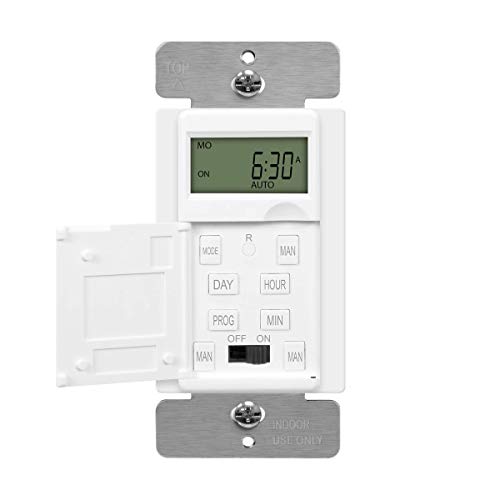
ENERLITES – HET01-C-W Programmable Digital Timer Switch for Lights, Fans, Motors, 7-Day18 ON/OFF Timer Settings, Single Pole, Neutral Wire Required, UL Listed, HET01-C, White
Programming Convenience: Set schedules to control your indoor and outdoor lights, fans, sprinklers, and motors to turn on…
As an affiliate, we earn on qualifying purchases.
As an affiliate, we earn on qualifying purchases.
Conclusion
By mastering energy-saving fan habits, you’re holding the key to a more sustainable future. Each mindful adjustment is a brushstroke in the larger portrait of environmental responsibility, transforming simple actions into a powerful symbol of innovation. Your choices echo beyond your space, inspiring change and conserving resources for generations. Embrace these practices, and watch as your efforts become a beacon—guiding others toward smarter, greener living. Together, we turn small steps into lasting impact.

BOOSANT 60 Inch Modern White and Gold Ceiling Fan with Lights, 3 Blade, Energy Efficient DC Motor, Smart App & Remote Control, 7230 CFM, 6 Speeds, 3 Light Colors, Indoor/Outdoor
[1-Second Voice Magic | Alexa Built-In]: BOOSANT Alexa-Enabled Smart Ceiling Fan with Light – Effortlessly control your 60…
As an affiliate, we earn on qualifying purchases.
As an affiliate, we earn on qualifying purchases.
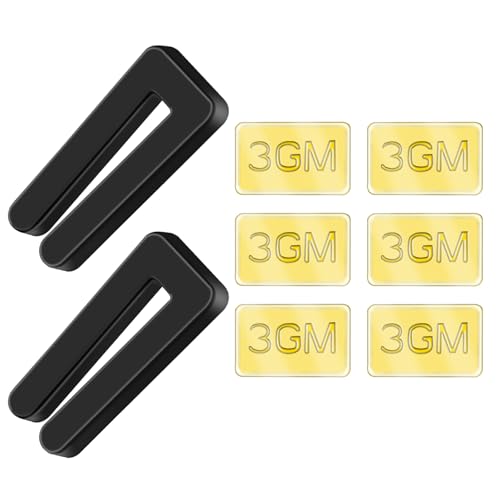
8 PCS Ceiling Fan Blade Balancing Kit, 2 Set Ceiling Fan Balancing Kit Including 2 pcs Plastic Fan Balancing Clips and 6 PCS Metal Self-Adhesive 3G Weight for Ceiling Fan Weight Balancing
Bundled Accessories: Each set of ceiling fan blade balancing kit contains 2 plastic fan balancing clips and 8…
As an affiliate, we earn on qualifying purchases.
As an affiliate, we earn on qualifying purchases.