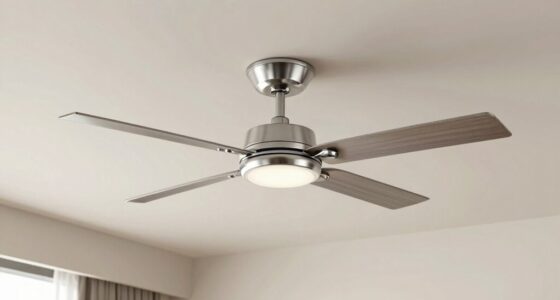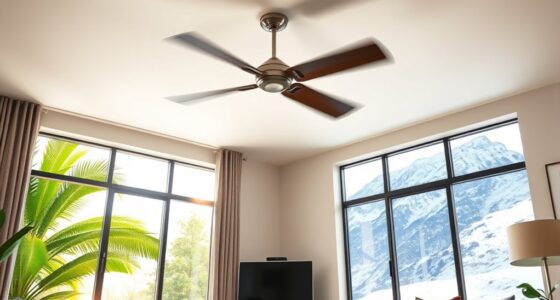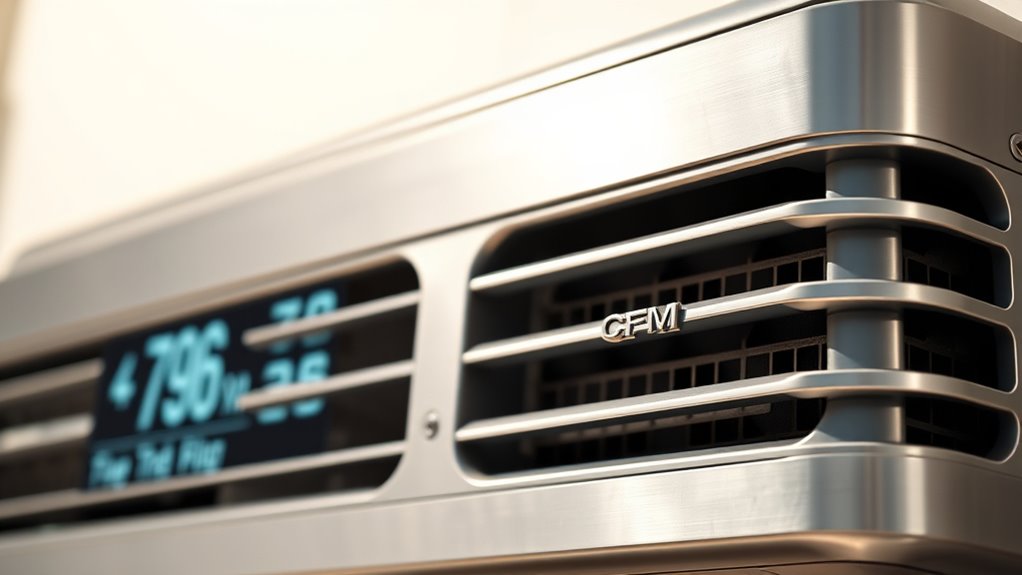

Understanding CFM ratings and energy efficiency involves recognizing that CFM measures how much air your ventilation system moves per minute, directly impacting indoor air quality and comfort. Properly matching CFM with your space’s needs optimizes system performance and minimizes energy consumption. Over- or under-delivering airflow leads to inefficiencies and higher costs. Ensuring components like ducts and filters support rated CFM levels is essential. Exploring these factors further reveals how precise airflow management can notably enhance both efficiency and indoor air quality.

Get home appliances delivered free with Prime
- Fast, free delivery on millions of items
- Prime Video, Amazon Music and more included
- Member-only deals all year
Key Takeaways
- Properly matching CFM ratings to actual ventilation needs ensures optimal energy efficiency and indoor air quality.
- Operating ventilation systems at or near their rated CFM prevents unnecessary energy consumption.
- Using variable speed fans and smart controls adjusts airflow dynamically, saving energy while maintaining air quality.
- Regular maintenance of filters and ducts reduces resistance, helping systems deliver rated CFM efficiently.
- Over- or under-delivering CFM increases energy costs and compromises indoor air quality and occupant comfort.
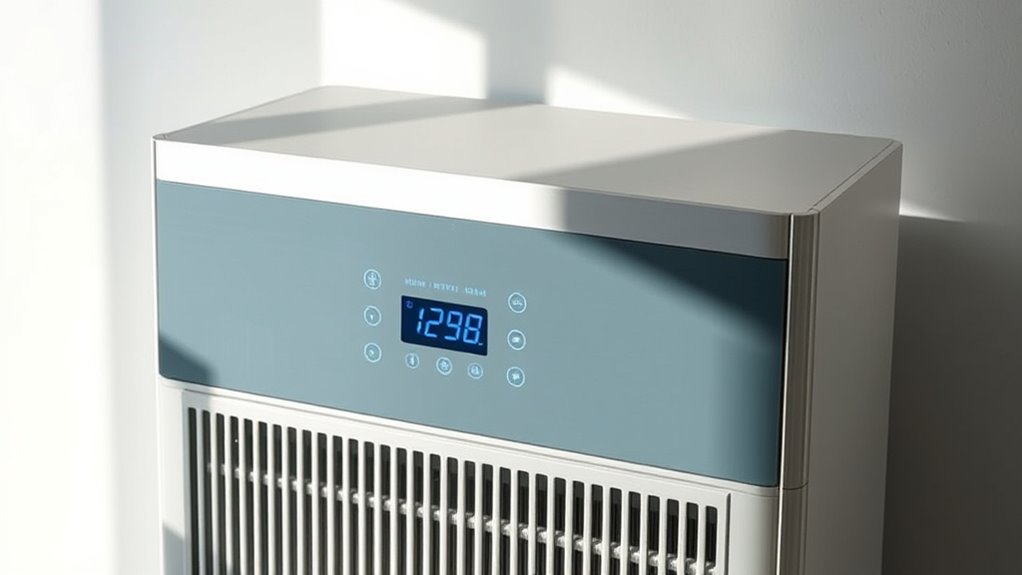
Are you aware of how CFM ratings influence the performance and energy efficiency of ventilation systems? CFM, or cubic feet per minute, quantifies the volume of air moved by a ventilation device in one minute. It’s a critical parameter because it directly affects both the system’s ability to maintain indoor air quality and its energy consumption. A higher CFM indicates a greater airflow, which can improve ventilation effectiveness, but if not properly matched to the space’s requirements, it can lead to excessive energy use. Conversely, undersized airflow can compromise air quality and occupant comfort. Hence, understanding the precise CFM needs of your environment is crucial for maximizing both performance and efficiency.
The relationship between CFM ratings and energy efficiency hinges on the principle of airflow matching. Ventilation systems are designed with specific CFM ratings that correspond to the volume of air necessary to dilute indoor pollutants, control humidity, and maintain comfort levels. When a system operates at or near its rated CFM, it does so at ideal efficiency, utilizing power proportionally to demand. However, if the airflow exceeds the necessary amount, the system works harder than needed, consuming unnecessary energy. Conversely, operating below the ideal CFM compromises air exchange rates, potentially leading to increased indoor pollutant concentrations and higher operational costs due to compensatory measures. Proper system design considerations, such as duct sizing and fan specifications, are essential to guarantee the CFM rating aligns with the actual ventilation requirements of the space. Additionally, understanding how HVAC system components interact helps optimize airflow and energy use.
Energy consumption is also influenced by how well the system maintains its CFM under varying conditions. Modern ventilation units incorporate variable speed fans and intelligent controls that adjust airflow based on real-time needs. These features allow systems to operate at lower power levels when full airflow isn’t necessary, substantially enhancing energy efficiency. It’s important to factor in that the static pressure within ductwork and the resistance caused by filters or obstructions impact the system’s ability to deliver consistent CFM. Increased resistance requires more power to maintain the same airflow, thereby raising energy consumption. Proper system maintenance, including regular filter replacement and duct inspection, minimizes resistance and ensures that the CFM ratings are maintained without undue energy expenditure.
HVAC ventilation system with variable speed fan
As an affiliate, we earn on qualifying purchases.
As an affiliate, we earn on qualifying purchases.
Frequently Asked Questions
How Often Should I Replace My HVAC Filters?
You should replace your HVAC filters every 1 to 3 months, depending on usage, filter type, and indoor air quality. Regularly inspecting the filter for dirt buildup guarantees peak airflow and energy efficiency. If you have pets or allergies, consider replacing filters more frequently. Neglecting timely replacements can cause system strain, reduce efficiency, and compromise indoor air quality, leading to potential long-term damage and higher energy costs.
Do Higher CFM Ratings Always Mean Better Airflow?
Imagine a highway: higher CFM ratings are like adding more lanes for traffic. While more lanes can improve airflow, they don’t always guarantee better performance if the ductwork isn’t properly designed or if the system isn’t balanced. Higher CFM ratings indicate the potential for increased airflow, but actual efficiency depends on system compatibility, pressure drops, and proper installation. So, higher CFM doesn’t always mean better airflow if other factors aren’t optimized.
How Does Duct Size Affect CFM Performance?
Duct size critically impacts CFM performance by influencing airflow resistance and pressure drop. Larger ducts reduce resistance, allowing higher CFM without overworking the blower, while smaller ducts increase resistance, limiting airflow and potentially causing noise or strain. Proper duct sizing guarantees ideal airflow, maintains system efficiency, and prevents issues like uneven heating or cooling. Making sure duct dimensions match the CFM requirements is essential for maintaining airflow consistency and energy efficiency.
Can Energy-Efficient Units Improve Indoor Air Quality?
Yes, energy-efficient units can substantially improve indoor air quality. They optimize airflow and filtration, reducing pollutants and allergens while maintaining balanced ventilation. By utilizing advanced filtration systems and variable-speed fans, these units enhance air cleanliness without sacrificing efficiency. This not only promotes healthier breathing environments but also conserves energy, making your indoor space safer, fresher, and more sustainable.
What Maintenance Tips Maximize Energy Efficiency?
You should regularly replace or clean air filters to prevent airflow restrictions, guaranteeing peak CFM ratings and reducing strain on your system. Schedule annual professional inspections to identify and address issues like duct leaks or dirty coils, which can compromise efficiency. Keep vents unobstructed and maintain proper thermostat calibration to maximize energy use. Additionally, ensure blower components are clean and functioning properly, which sustains airflow and minimizes energy consumption.
Conclusion
By grasping CFM ratings and energy efficiency, you’re steering the engine room of ventilation performance. Think of it as tuning a finely balanced machine—each detail influences overall airflow and power consumption. Accurate assessment guarantees ideal operation, minimizing waste and maximizing air quality. When you understand these metrics, you’re like a skilled engineer, calibrating systems precisely. This knowledge transforms complex data into actionable insights, ensuring your ventilation setup runs smoothly, efficiently, and sustainably—like a well-oiled machine working at peak performance.
NFL season / tailgating Picks
team gear
As an affiliate, we earn on qualifying purchases.