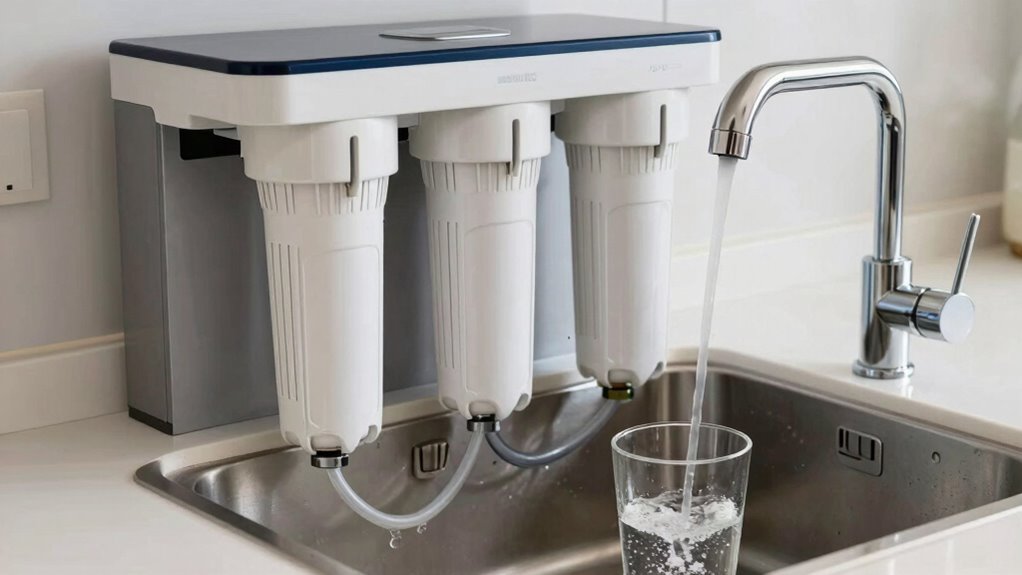

Reverse osmosis isn’t always the best choice because it wastes a lot of water and energy, which can harm the environment and increase your utility bills. It also strips away beneficial minerals from your water, reducing its health benefits. While it removes many contaminants effectively, it may not be necessary for all households, especially if your water quality isn’t severe. To learn more about alternative options and smarter solutions, keep exploring your choices.

Get home appliances delivered free — and shop member deals
- Fast, free delivery on millions of items
- Access to Prime Big Deal Days deals on October 6–7
- Prime Video, Amazon Music and more included
Key Takeaways
- Reverse osmosis removes beneficial minerals along with contaminants, potentially affecting water taste and health benefits.
- It produces significant wastewater, raising environmental and water conservation concerns.
- High energy consumption from pressurized systems increases household carbon footprints.
- Alternative filters like activated carbon and UV are effective for many everyday needs with less waste.
- Suitability depends on specific water quality, environmental priorities, and household requirements.
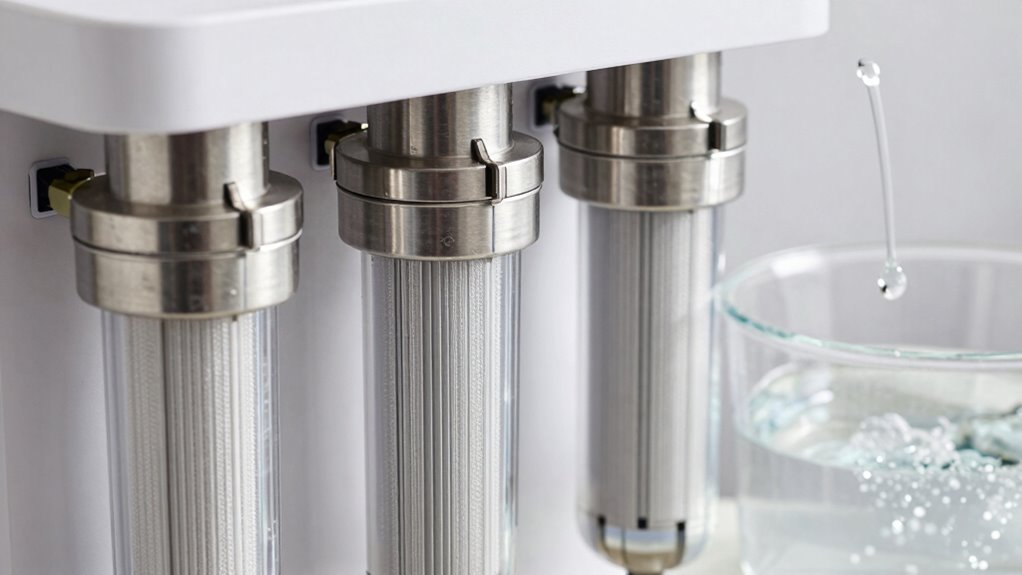
Is reverse osmosis always the right choice for clean water? Not necessarily. While many people turn to reverse osmosis systems for water filtration, it’s important to understand that they aren’t always the best solution for every situation. Reverse osmosis effectively removes contaminants, sediments, and even harmful chemicals, making it a popular choice for improving water quality. However, this method also strips away beneficial minerals and can produce a significant amount of wastewater, raising concerns about its overall environmental impact.
When you consider water filtration, it’s tempting to think of reverse osmosis as the gold standard. It’s true that it can provide very pure water, but at what cost? The process uses high pressure to push water through a semi-permeable membrane, which filters out impurities. Although this results in cleaner water, it also wastes a lot of the input water—often up to four gallons for every gallon of purified water. This wastewater can be problematic, especially in areas where water conservation is critical. You might find yourself needing to balance the desire for pure water with the environmental footprint of your filtration system.
Another aspect to think about is the environmental impact. Reverse osmosis systems consume significant energy, primarily due to the pressure required to operate the membranes. This energy use adds to your household’s carbon footprint and may not be sustainable in the long run. Plus, the disposal of the used membranes and the concentrated waste water can pose environmental challenges. Landfills and water treatment facilities may struggle to handle the byproducts of reverse osmosis, contributing to pollution if not managed properly. Additionally, media room upgrades like custom filtration solutions can sometimes offer more sustainable alternatives tailored to specific needs. Understanding how filtration efficiency impacts overall environmental sustainability can help you make more informed choices. Moreover, exploring eco-friendly filtration methods can further reduce your ecological footprint without sacrificing water quality.
You should also consider whether you need such a high level of filtration. For many households, simpler and more eco-friendly water filtration options—like activated carbon filters or UV sterilizers—offer adequate purification without the downsides. These alternatives often retain beneficial minerals and generate less waste, making them better suited for everyday use. If your primary concern is removing chlorine, bad taste, or certain chemicals, these systems may be enough without the environmental costs associated with reverse osmosis.
In the end, choosing the right water filtration system depends on your specific needs, local water quality, and environmental priorities. Reverse osmosis isn’t a one-size-fits-all solution, and understanding its limitations helps you make smarter choices for your health and the planet.
As an affiliate, we earn on qualifying purchases.
Frequently Asked Questions
How Does Reverse Osmosis Compare to Other Water Filtration Methods?
You’ll find that reverse osmosis is highly effective at removing contaminants, but alternative filtration methods like activated carbon filters or UV purifiers may better preserve essential minerals and energy efficiency. When comparing, consider how reverse osmosis wastes water and strips minerals, which impacts water preservation. For everyday use, combining methods might be best, balancing thorough purification with environmental impact and maintaining the water’s natural qualities.
What Are the Long-Term Costs of Maintaining a Reverse Osmosis System?
Maintaining a reverse osmosis system can feel like caring for a tiny, high-maintenance spaceship. The long-term costs include regular filter replacements, membrane replacements, and occasional repairs, which can add up over time. Expect to spend around $150-$300 annually. With proper maintenance, your system’s lifespan can stretch to 10-15 years, but neglecting upkeep could drastically shorten its efficiency and increase overall maintenance costs.
Can Reverse Osmosis Remove Beneficial Minerals From Water?
Yes, reverse osmosis can remove beneficial minerals from water, leading to mineral loss. This process strips away not only contaminants but also essential minerals like calcium and magnesium, which can impact water taste. As a result, your water may taste flat or bland. If mineral content is important to you, consider adding mineral drops or choosing a system that retains beneficial minerals while filtering out harmful substances.
Is Reverse Osmosis Effective Against All Types of Contaminants?
Think of reverse osmosis as a mighty gatekeeper, but not a super-sieve for everything. It’s highly effective against many contaminants, yet its ability depends on contaminant specificity. While it can remove many harmful substances, it also strips away beneficial minerals, leaving water more purified but less nourishing. So, if your water’s challenge is specific, reverse osmosis might be your best tool; if not, consider other options.
Are There Environmental Concerns Associated With Reverse Osmosis Waste Disposal?
Yes, there are environmental concerns with reverse osmosis waste disposal. The process produces a significant amount of brine, which can harm aquatic ecosystems if not managed properly. Waste management becomes essential to prevent contamination of soil and water sources. You should consider the environmental impact when using reverse osmosis, ensuring proper disposal methods to minimize harm and promote sustainable practices.
Conclusion
So, before you jump into installing a reverse osmosis system, remember that it’s not always the knight in shining armor. Just like the ancient mariner’s trusty compass, it has its limits and quirks. Think critically about your water needs, budget, and environmental impact. Sometimes, a simple filter or alternative purification method might be your best bet. Don’t be fooled into thinking it’s a magic solution—your water’s health depends on making the right choice.
NFL season / tailgating Picks
team gear
As an affiliate, we earn on qualifying purchases.