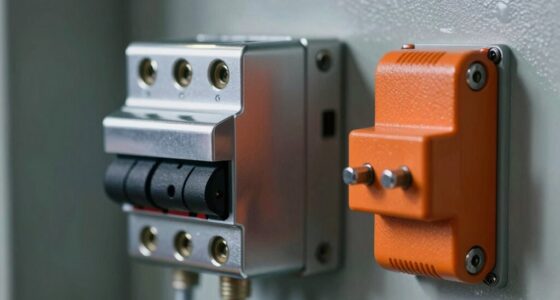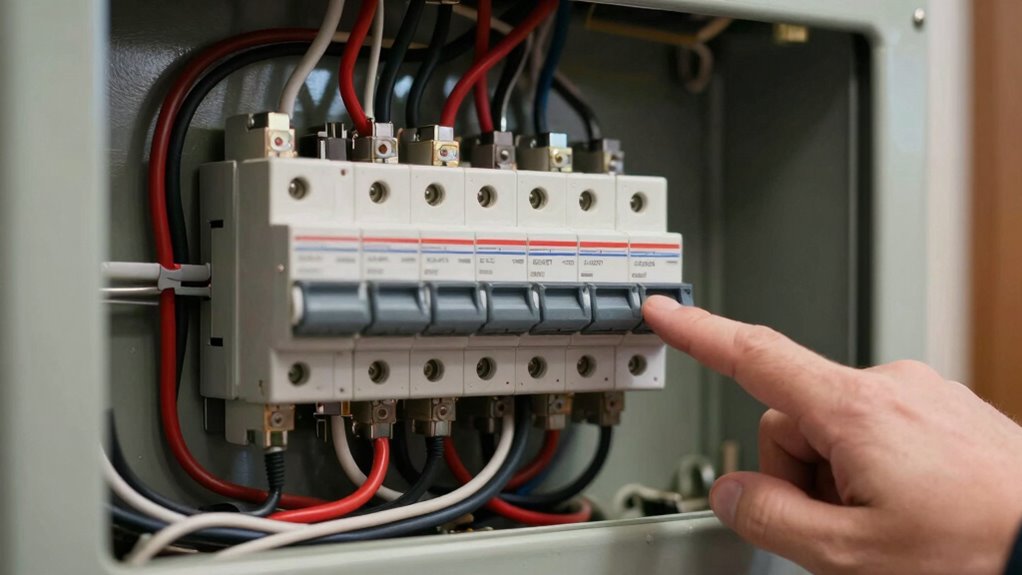

Your home’s circuit capacity limits how much you can safely upgrade your energy system. If you add large appliances, solar panels, or smart devices without checking the capacity, you risk overloads, tripping breakers, or electrical fires. Upgrading your electrical panel or balancing loads helps prevent these issues and guarantees safety. Staying aware of your circuit limits is key to smooth upgrades. Keep exploring to learn how to manage your home’s electrical capacity effectively.
Key Takeaways
- Circuit capacity determines if existing wiring and breakers can handle new appliances or solar systems safely.
- Upgrading circuit capacity prevents overloads when adding smart devices or energy-efficient appliances.
- Insufficient circuit capacity can cause breaker trips, appliance damage, or electrical fires during home upgrades.
- Proper load assessment guides necessary panel or wiring upgrades for future energy demands.
- Managing load distribution across circuits ensures system longevity and safe energy system expansion.
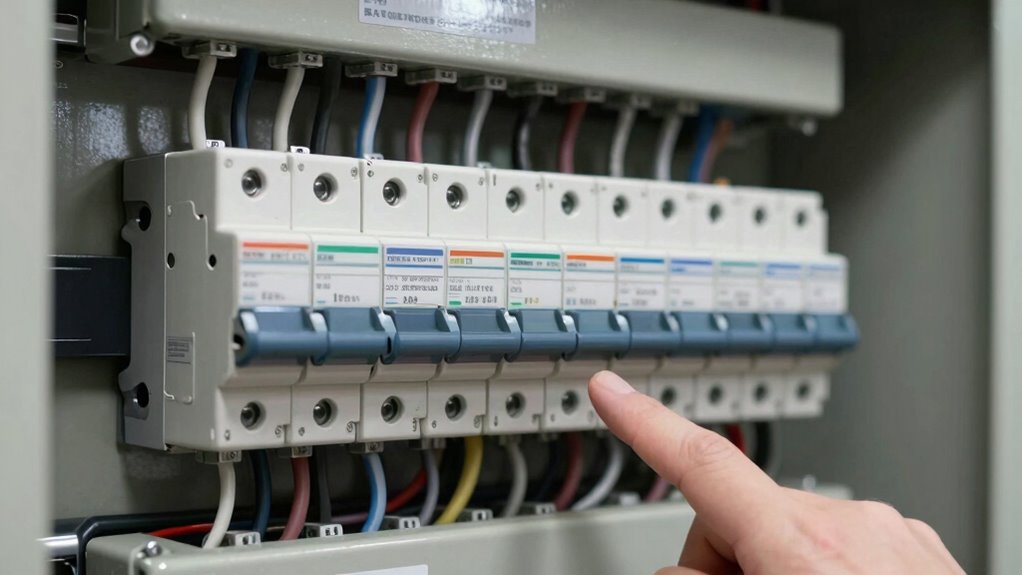
Upgrading your home’s energy system often involves adding new appliances or solar panels, but one critical factor to contemplate is the circuit capacity limit. This limit determines how much electrical load your existing wiring and breaker panels can safely handle. If you push beyond this capacity, you risk tripping circuit breakers, damaging appliances, or even causing dangerous electrical fires. When planning a home energy upgrade, understanding these limits helps guarantee safety and efficiency, especially as you consider integrating solar panel systems or expanding your smart home systems.
Solar panel integration is a popular way to reduce reliance on grid power and lower your energy bills. However, solar panels generate additional electrical load that your home’s circuits must accommodate. If your current wiring and breaker capacity are insufficient, installing solar panels could overload your system. That’s why it’s essential to evaluate your existing circuit capacity before proceeding. A professional electrician can assess your panel and wiring, determine if upgrades are necessary, and help you select appropriate inverter and breaker sizes. Properly managing this integration prevents overloading circuits and assures your solar investment operates smoothly.
Assess your circuit capacity before installing solar panels to prevent overloads and ensure smooth operation.
Smart home systems further complicate the picture because they often add numerous connected devices—smart thermostats, security cameras, lighting controls, and appliances—all drawing power from your home’s circuits. While individual smart devices typically have low power demands, collectively, they can contribute to the overall load. If your circuits are already near capacity, adding more devices might trip breakers or cause voltage drops, reducing device performance. To avoid this, you should consider upgrading your circuit capacity or distributing loads across multiple circuits. This way, your smart home systems operate reliably without risking overloads.
Knowing your circuit capacity limits also helps in planning future upgrades. As your home becomes smarter and more energy-efficient appliances come online, your electrical demands will grow. By proactively upgrading your electrical panel or adding dedicated circuits for high-power devices, you ensure your home can handle these changes safely. Additionally, monitoring your electrical load can help prevent overloads before they happen. Incorporating circuit capacity assessments and understanding the importance of proper load balancing are essential for maintaining a safe and balanced electrical system. Properly managing and balancing loads across circuits minimizes the risk of overloads and enhances overall electrical system longevity. Being aware of your circuit capacity limitations is essential for a safe and effective energy upgrade.
As an affiliate, we earn on qualifying purchases.
Frequently Asked Questions
How Do I Determine My Home’s Current Circuit Capacity?
You can determine your home’s current circuit capacity by checking your main electrical panel. Look for the main circuit breaker, which displays its amperage rating, such as 100A or 200A. This rating indicates your circuit capacity. For electrical safety, avoid overloading circuits, and if you’re unsure, consult a professional electrician. They can assess your system and make sure your circuit breaker is appropriate for your energy upgrade plans.
Can Adding More Circuits Increase My Home’s Energy Capacity?
Sure, adding more circuits might seem like a quick fix, but it doesn’t magically boost your home’s energy capacity. Instead, consider upgrading to a smart panel with circuit zoning; it optimizes your existing capacity efficiently. More circuits don’t necessarily mean more power—they just distribute it differently. Upgrading guarantees your system handles increased demands without overloading, making your home smarter and safer.
What Are Signs My Circuit Capacity Is Overloaded?
You’ll notice your circuit capacity is overloaded if your circuit breaker trips frequently or if switches feel warm to the touch. Check your electrical panel labels to identify circuit types and their limits. If your panel has older, single-pole breakers, upgrading to modern double-pole types can help. Signs like flickering lights or burning smells also indicate overloads, so inspect circuits carefully and consider professional help for upgrades.
Are There Affordable Ways to Upgrade Circuit Capacity?
Think of upgrading your circuit capacity like giving your home a power boost. You can explore affordable options such as installing a smart panel, which intelligently manages your energy flow, or adding energy storage to balance loads. These upgrades aren’t just budget-friendly; they make your system smarter and more efficient. With a little research and a qualified electrician, you’ll find solutions that strengthen your home’s electrical backbone without breaking the bank.
How Does Circuit Capacity Affect Renewable Energy Installations?
Circuit capacity directly impacts your ability to install solar systems and energy storage. If your circuits can’t handle additional load, you might face restrictions on solar integration or energy storage upgrades. Upgrading your circuits guarantees enough capacity for these systems, maximizing renewable energy use. This allows you to optimize solar power generation and storage, reducing reliance on the grid and enhancing your home’s energy efficiency and sustainability.
Conclusion
Understanding circuit capacity limits might seem like a hurdle, but it’s really a guide to smarter upgrades. While these limits restrict what you can add today, they also push you to plan more efficient, future-proof solutions. Think of your electrical system as both a challenge and an opportunity—limiting what’s possible now, but opening doors to innovative, sustainable energy choices tomorrow. Embrace the limits; they’re not barriers, but stepping stones to a better, safer home.