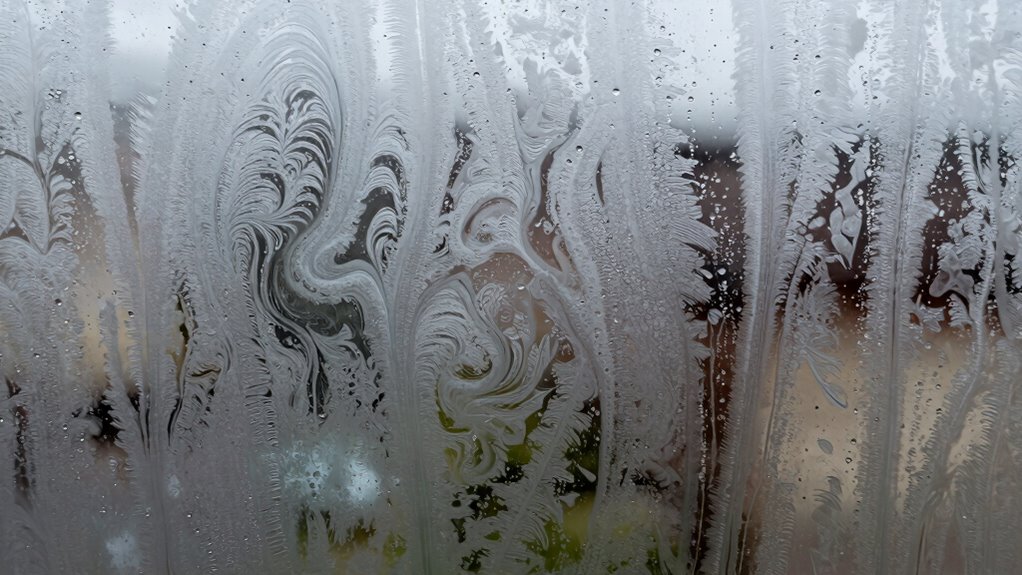

Condensation isn’t just about moisture; it’s a warning sign that hidden problems could affect your health and home’s integrity. Persistent moisture buildup signals poor ventilation, insulation issues, or excess humidity, which can lead to mold growth and respiratory problems. Mold spores and toxins may be circulating unnoticed, posing health risks over time. Recognizing condensation early helps prevent structural damage and health issues—if you stay alert, you’ll discover how to protect yourself better.
Key Takeaways
- Condensation indicates underlying issues like poor ventilation or insulation, which can promote mold growth and health risks.
- Persistent moisture from condensation fosters mold spores that can cause respiratory problems and allergies.
- Early detection of condensation helps prevent hidden mold development that may release airborne toxins.
- Addressing condensation reduces indoor humidity, lowering the risk of mold-related illnesses and structural damage.
- Recognizing condensation as a warning prompts proactive measures to protect health and promote sustainable living.
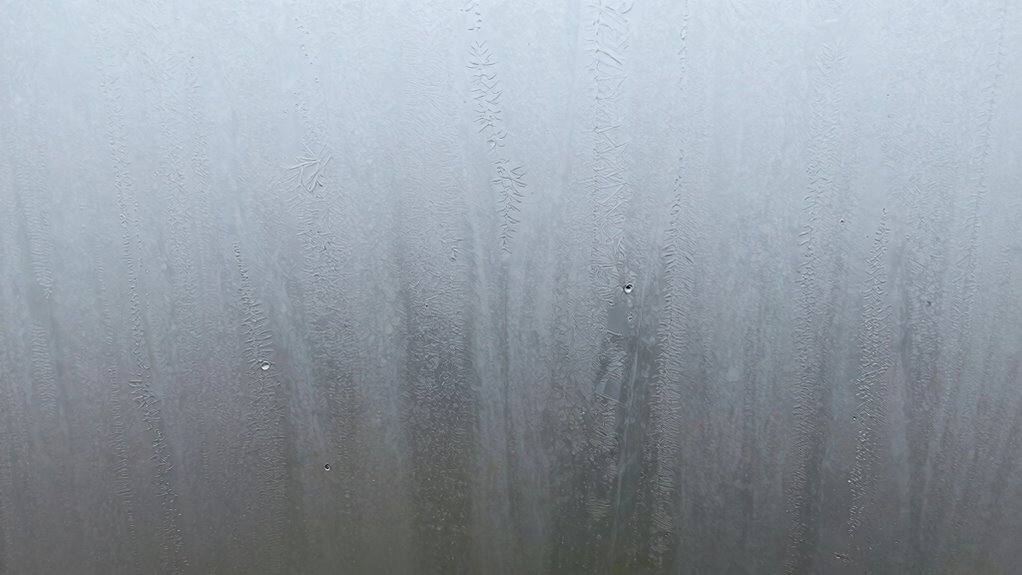
Condensation on windows or walls might seem like a minor inconvenience, but it can also serve as an important warning sign for underlying health issues. When you notice persistent moisture buildup, it’s not just about dealing with dampness; it could be a sign that mold growth is developing behind the scenes. Mold thrives in damp, humid environments, and where there’s mold, there’s often a hidden health risk. If left unchecked, mold spores can become airborne, leading to respiratory issues that affect your breathing and overall well-being.
Persistent condensation signals hidden mold risks and potential respiratory health issues.
You might not immediately connect condensation to health problems, but the connection is closer than you think. As mold develops in hidden corners or behind walls, it releases spores and mycotoxins that you might breathe in unknowingly. This exposure can trigger a range of respiratory issues, especially if you have allergies, asthma, or a weakened immune system. The symptoms might start with a stuffy nose, coughing, or throat irritation, but over time, prolonged exposure can worsen these symptoms or cause new problems like wheezing or chest tightness. It’s a subtle warning that your indoor environment isn’t just humid; it’s potentially hazardous.
Addressing condensation early can help prevent these health problems from escalating. When you see condensation, it’s essential to identify the root cause—whether it’s poor ventilation, inadequate insulation, or excess humidity. Improving airflow and reducing moisture levels can markedly slow or stop mold growth. Using dehumidifiers or opening windows can help manage indoor humidity, but it’s equally important to inspect hidden areas for mold. Sometimes, a professional assessment is necessary to detect mold colonies behind walls or under flooring before they cause serious health issues. Recognizing indoor humidity as a key factor can help you take more targeted steps to control moisture. Additionally, understanding the signs of mold can enable you to act swiftly and prevent further health risks.
Recognizing condensation as a sign of underlying issues can also help promote sustainable living practices by reducing unnecessary energy use associated with excessive heating or cooling to combat humidity. Ignoring condensation doesn’t just risk damage to your home’s structure; it puts your health at risk, especially your respiratory system. Mold spores are microscopic, so they can circulate through the air without you noticing. Over time, this exposure can exacerbate existing respiratory conditions or contribute to new sensitivities. Recognizing condensation as a warning sign encourages you to take proactive steps—ventilating properly, controlling humidity, and inspecting for mold—to protect your health. Furthermore, proper ventilation systems can significantly reduce indoor moisture and improve air quality in the long run. Ultimately, understanding that condensation isn’t merely a moisture problem helps you see it as an essential indicator of potential health dangers lurking in your living space.
Frequently Asked Questions
Can Condensation Cause Long-Term Health Issues?
Yes, condensation can cause long-term health issues if ignored. It can lead to mold growth, which negatively impacts air quality and triggers allergies or respiratory problems. Poor humidity control allows moisture to accumulate, creating a breeding ground for mold and bacteria. Over time, exposure can weaken your immune system and cause chronic health issues. To protect your health, guarantee proper ventilation and manage humidity levels in your home.
How Quickly Can Condensation Lead to Mold Growth?
Like Pandora’s box opening, mold can sprout within 24 to 48 hours if you don’t manage humidity control. When surface temperature drops, condensation forms, creating the perfect environment for mold growth. To prevent this, keep your home warm and well-ventilated, especially in colder months. Regularly monitor humidity levels and insulate surfaces to maintain higher temperatures—this slows down condensation and keeps mold at bay.
Are Certain Materials More Prone to Condensation Damage?
Certain materials are more prone to condensation damage because of their material susceptibility and surface properties. Porous materials like drywall and wood absorb moisture easily, making them vulnerable, while smooth, non-porous surfaces like glass or metal resist condensation. You should pay attention to these differences in material susceptibility and surface properties, especially in humid environments, to prevent mold growth, structural damage, and health risks associated with condensation.
What Are the Signs of Condensation-Related Health Problems?
You might notice your indoor humidity making your lungs feel heavy or your throat itch, signs that air quality is suffering. Persistent coughing, sneezing, or cold-like symptoms can also signal health issues linked to condensation. When moisture lingers, it fosters mold and bacteria, turning your home into a health hazard. Keep an eye on these signs—your body’s warning system—and improve ventilation to breathe easier.
Can Ventilation Systems Prevent Condensation Effectively?
Yes, ventilation systems can effectively prevent condensation when they prioritize humidity control and ventilation efficiency. By maintaining ideal indoor humidity levels, these systems reduce moisture buildup that causes condensation. Properly designed and maintained ventilation improves airflow, dispersing excess moisture and preventing dampness. Investing in high-quality ventilation ensures your home stays dry, healthier, and less prone to mold growth, ultimately protecting your health and property from condensation-related issues.
Conclusion
Just like the canary in the coal mine warned miners of danger, condensation signals hidden issues lurking in your home. Ignoring it isn’t just about damp walls or mold—it’s a call to action. If you heed this warning, you can prevent long-term damage and protect your health. Remember, the early signs of trouble often whisper softly before they roar. Stay vigilant, listen closely, and act swiftly—your home’s future depends on it.