To install a ceiling fan outdoors, select a model rated for IP44 or higher to withstand water and particles. Mount it securely at least 7 feet high with proper clearance, ensuring a solid outdoor-rated foundation. Use weatherproof wiring, GFCI protected circuits, and adhere to local electrical codes. Confirm all hardware and connections are secure, and test the fan for stability. Continuing will provide detailed steps to guarantee safe, durable installation.
Key Takeaways
- Select outdoor-rated fans with IP44 or higher for durability against weather conditions.
- Install at least 7 feet above the floor with 18-24 inches clearance below the pergola beam.
- Use weatherproof electrical wiring, GFCI outlets, and outdoor-rated junction boxes for safety.
- Mount fans securely on structurally sound points like beams or joists capable of supporting the weight.
- Follow manufacturer instructions, ensure proper wiring, and test fan operation for wobbling or vibrations.
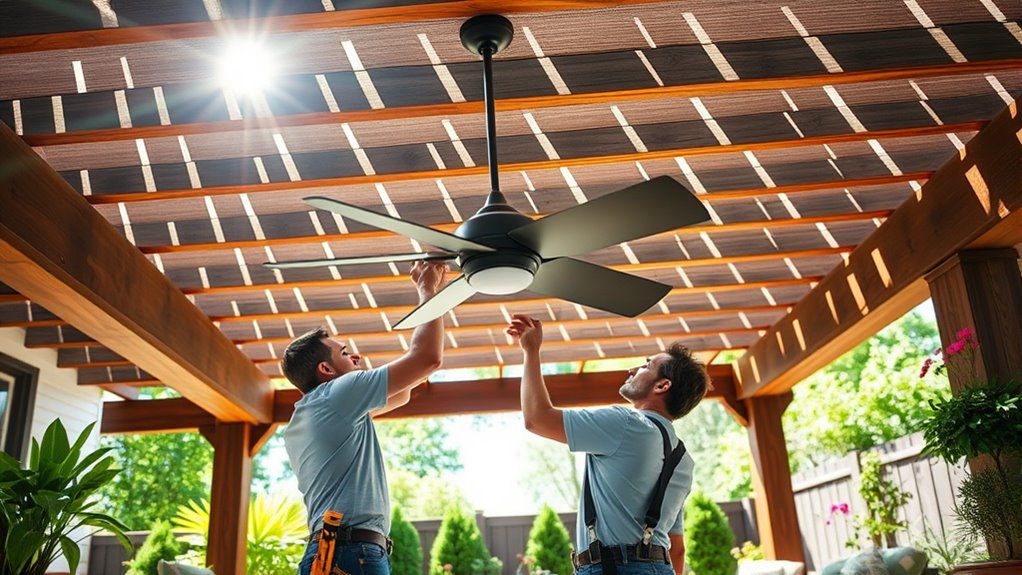
Installing a ceiling fan in an outdoor pergola or patio enhances comfort and airflow, but it requires careful planning and adherence to safety standards. The initial step involves selecting an appropriate fan model rated specifically for outdoor use. Look for fans with an IP (Ingress Protection) rating of at least IP44, which indicates protection against water splashes and solid particles. This ensures durability and reliable operation in exposed environments. When choosing the fan, consider blade span, motor power, and airflow capacity to match the size of the space. An undersized fan may be ineffective, while an oversized unit could generate excessive noise or create unwanted drafts.
Proper placement of the fan is critical for ideal performance and safety. The fan should be installed at a height that allows sufficient clearance from furniture and occupants—typically a minimum of 7 feet from the floor and at least 18-24 inches below the ceiling or pergola beam. The mounting point must be structurally sound, capable of supporting the fan’s weight, and anchored into a suitable ceiling joist, beam, or a reinforced mounting bracket specifically designed for outdoor installation. Using a mounting bracket rated for outdoor use ensures stability and reduces vibration during operation.
Install the fan at least 7 feet high and ensure a solid, outdoor-rated mounting point for safety and stability.
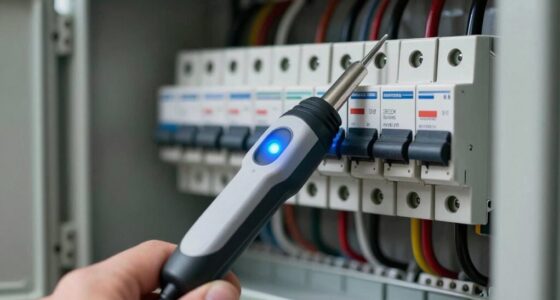
Electrical wiring must comply with local electrical codes and standards, which often necessitate the use of GFCI (Ground Fault Circuit Interrupter) protected outlets or circuits. Prior to installation, verify that the power source is de-energized to prevent electrical shock. Use weatherproof junction boxes and conduit fittings to safeguard wiring from moisture ingress. All electrical connections should be made with outdoor-rated connectors and sealed properly to prevent corrosion and water intrusion. It’s essential to ensure that the wiring is rated for outdoor temperatures and exposure to the elements.
Furthermore, the installation process must incorporate appropriate safety measures, including the use of personal protective equipment such as gloves and eye protection. When working at height, ensure the stability of ladders or scaffolding. Confirm that the mounting hardware and electrical components are securely fastened and inspected for integrity before powering the system. After installation, test the fan’s operation thoroughly, checking for wobbling, unusual noises, or vibrations that could indicate improper mounting or imbalance.
Additionally, selecting a fan with appropriate motor design can improve durability and reduce maintenance needs in outdoor environments.
Frequently Asked Questions
Can I Install a Ceiling Fan Without an Existing Electrical Outlet?
Yes, you can install a ceiling fan without an existing electrical outlet. You’ll need to run wiring from your main electrical panel to the fan location, which may involve installing a junction box or conduit. Make certain you follow local electrical codes and safety standards. If you’re unfamiliar with electrical work, hiring a licensed electrician is advisable to ensure proper installation, safety, and compliance with regulations.
What Safety Precautions Are Necessary for Outdoor Ceiling Fan Installation?
You should guarantee the power is turned off at the circuit breaker before installation. Use weatherproof, outdoor-rated electrical boxes and wiring to prevent moisture damage. Wear insulated gloves and safety goggles to protect against electrical shocks and debris. Verify grounding connections are secure to avoid electrical hazards. Follow manufacturer instructions meticulously, and consider consulting a licensed electrician for complex or high-voltage setups to ensure compliance with safety standards.
How Do I Choose a Weatherproof Ceiling Fan Suitable for Outdoor Use?
You should verify that the fan has an IP (Ingress Protection) rating of at least IP44 for outdoor use, indicating resistance to water and dust. Select models with corrosion-resistant materials like stainless steel or coated aluminum. Confirm the fan is designed for wet or damp locations, based on your outdoor environment. Check manufacturer specifications for weatherproof features, and verify compliance with local electrical codes for safe outdoor installation.
What Is the Average Lifespan of an Outdoor-Rated Ceiling Fan?
An outdoor-rated ceiling fan typically lasts between 10 to 15 years with proper maintenance. Factors influencing lifespan include exposure to weather elements, electrical quality, and frequency of use. Regular cleaning of blades and ensuring the motor is protected from moisture can extend its operational life. Choose models with corrosion-resistant materials and sealed electrical components to optimize durability in outdoor environments. Proper installation and periodic inspections are essential for maximizing longevity.
Can I Install a Ceiling Fan Myself or Should I Hire a Professional?
You can install a ceiling fan yourself if you possess electrical skills and follow safety protocols. However, for maximum safety and compliance with electrical codes, hiring a licensed professional is advisable. They ensure proper wiring, grounding, and secure mounting, especially in outdoor environments where weather exposure complicates installation. If you lack expertise or experience, engaging a professional minimizes risks, ensuring a safe, code-compliant, and durable installation.
Conclusion
Installing a ceiling fan in your outdoor pergola or patio enhances comfort much like a gentle breeze on a warm day. By following proper wiring techniques and ensuring weatherproof connections, you create a safe, efficient cooling solution. This upgrade not only improves your outdoor experience but also adds value to your property. With careful attention to detail, your outdoor space becomes an inviting retreat, much like a well-orchestrated symphony that harmonizes function and aesthetics seamlessly.